
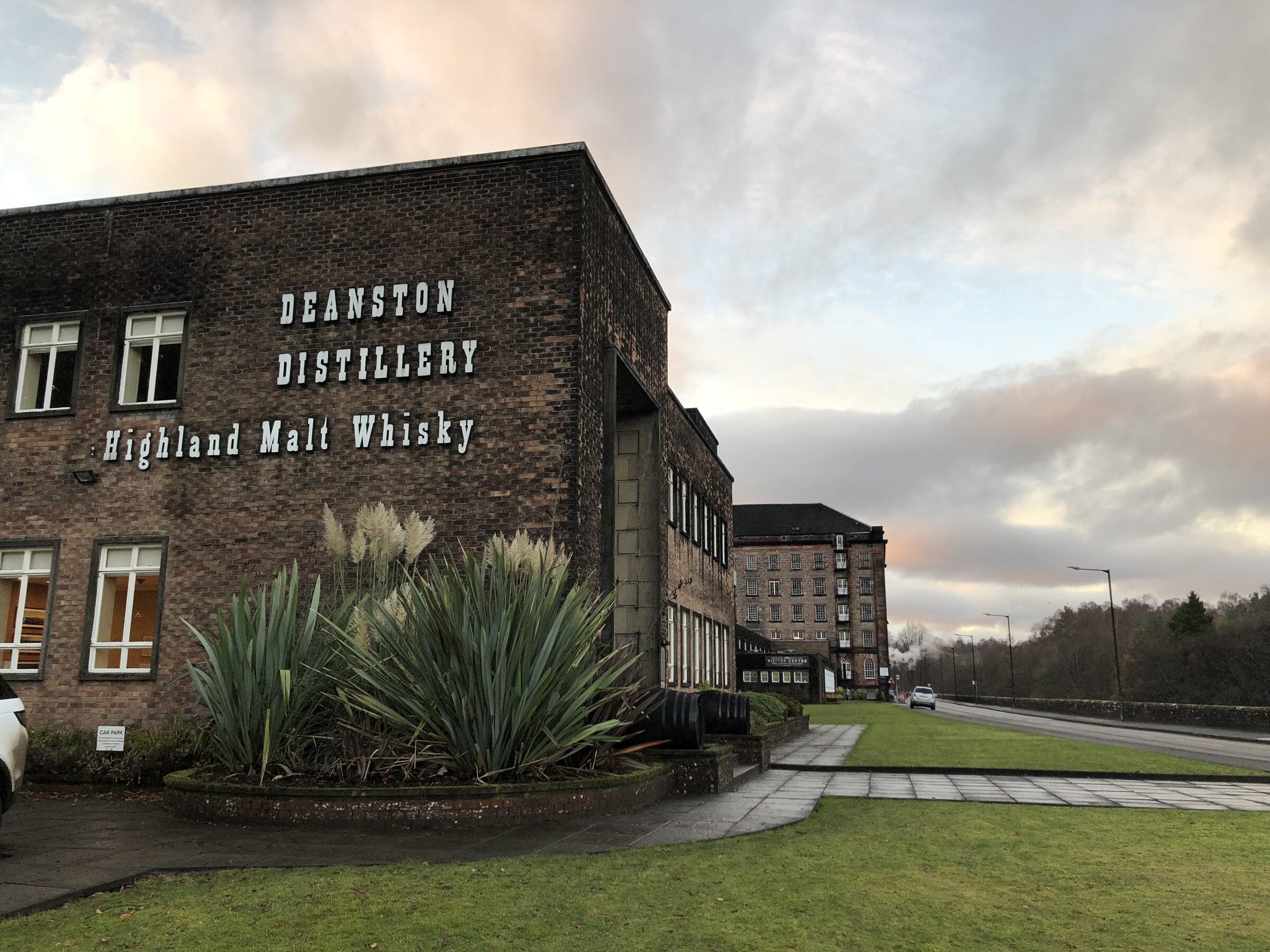
Deanston Distillery: The Cotton Mill That Powers Its Own Whisky
Before a single drop of whisky was made at Deanston, the site was already breaking records: its water wheel, installed on the banks of the River Teith in 1833, was for a time the largest in Europe. That wheel turned cotton looms, not stills, because Deanston spent 180 years as one of Scotland's great mill villages before it ever became a distillery. The whisky came later, but the engineering obsession never left.
Today Deanston is one of the few distilleries in Scotland that generates its own electricity, still using hydro turbines on the same stretch of river, and sells the surplus back to the National Grid. That self-sufficient, slightly maverick streak runs through everything the distillery does, including a whisky matured in old cotton-weaving vaults rather than conventional warehouses. This guide covers the mill village's remarkable history, how the whisky is made, what it tastes like, and our own single cask bottlings.
Deanston at a glance
| Region | Highland (Doune, Perthshire, on the River Teith) |
| Founded | Site built as a cotton mill in 1785; converted to a distillery in 1965-66 |
| Owner | CVH Spirits, which also owns Bunnahabhain and Tobermory |
| Capacity | Around 3 million litres of pure alcohol a year |
| Stills | 4, medium bulbous in shape with rising lyne pipes |
| Water source | The River Teith, which also powers the distillery's own hydro-electric turbines |
| Fermentation | Long and variable, typically quoted at 50 to 100 hours |
| Malt spec | Unpeated, from specified Scottish-grown barley; an organic range is also produced |
| Style | Fresh and fruity with a natural, unburdened character; green apple, malt and light spice |
| Visitor centre | Yes, with tours through the old mill buildings as well as the working distillery |

History of Deanston
Deanston's story starts more than 150 years before its first drop of whisky. The mill was built in 1785, and within decades it had grown into one of the most advanced industrial sites in Scotland: a self-contained village with housing for around 300 workers, a school and communal facilities built around the mill, plus a couple of distinctions that sound almost too eccentric to be true. In 1808, wartime coin shortages during the Napoleonic Wars led Deanston to produce its own currency for use in the village grocer's, and in 1813 the mill became one of the first sites in Scotland to install gas lighting, years ahead of many major cities. The centrepiece of it all was the water wheel: a 36-foot giant, at various points the largest in Europe, driven by the River Teith and generating enough power to run the entire operation. New, more efficient turbines replaced the wheel in 1949, and remarkably, those turbines are still generating electricity today.
The cotton industry's long decline finally caught up with Deanston in the mid-twentieth century, and in 1965 the mill closed. Rather than let the site fall derelict, its owners, the distillers James Findlay and Brodie Hepburn, converted it into a distillery, with production starting in October 1966 after a nine-month, £300,000 refurbishment that repurposed the old weaving sheds and turbine hall for a very different kind of manufacturing. The early years were not kind: the whisky failed to find an audience, and the distillery fell silent again in 1982. It reopened in 1991 under new ownership and has run continuously since, eventually passing to Burn Stewart Distillers and then Distell, before CVH Spirits, the drinks group that also owns Bunnahabhain and Tobermory, took control in the early 2020s.
How Deanston makes its whisky
Deanston runs four medium bulbous stills with rising lyne pipes, a shape that encourages plenty of reflux and copper contact, both of which push the spirit towards a cleaner, lighter style. Fermentation is notably long and variable, with times quoted anywhere from 50 to 100 hours depending on the run, and the malt is unpeated, sourced from specified Scottish-grown barley; the distillery also produces a certified organic range, one of relatively few in Scotch whisky. Every drop of process water and cooling water comes from the River Teith, the same river that has powered the site since the eighteenth century.
The most distinctive part of Deanston's operation is where the whisky sleeps. The distillery matures its stock in the old cotton mill's original weaving sheds, semi-underground vaulted chambers built into the hillside that keep a remarkably stable temperature and humidity year-round, ideal conditions for slow, even maturation. All Deanston whisky is bottled without chill-filtration or added colouring, a house policy shared across the wider portfolio, which keeps the spirit as close as possible to how it comes out of the cask.

What does Deanston taste like?
Fresh and unforced is the best way to describe it: green apple peel, linseed oil, pollen and malt on the nose, with a natural character that the distillery is careful not to bury under heavy wood influence. The palate brings more assertive wood spice and black pepper, tart berries and, more than one taster has noted, an unexpected note of lilies, before a finish of vanilla and gentle charred spice. It is a whisky that rewards attention rather than announcing itself loudly, and the range has expanded in recent years to include sherry-matured and virgin oak expressions that show a richer, more robust side of the distillery alongside the classic bourbon-cask style.
Deanston and independent bottlers
Deanston has never been a headline name in the way some of its Highland neighbours are, which has made it something of a hidden favourite among independent bottlers and the drinkers who follow them. Casks are not abundant on the broker market, but when they do appear they tend to deliver real value: Deanston's clean, adaptable spirit takes well to a range of cask types, and its relatively modest reputation keeps prices sensible compared with more fashionable Highland names.
The Single Cask and Deanston
We have bottled three Deanston single casks, and together they show just how far this distillery's character can stretch. Cask 1982, a 20 year old from an ex-bourbon hogshead bottled at a cask strength of 52.7% for our Signature Series, brought oak and vanilla, soft pineapple and a hint of chocolate on the nose, juicy kiwi and apricot on the palate with flapjack and cinnamon, and a subtly salty finish balanced by honey and red grape. Cask 1958, a 15 year old distilled in 1997 and bottled at 45.8%, showed the same natural, unburdened quality the distillery is known for.
Our most recent, cask 266C, took a different route entirely: a 10 year old distilled in 2011 and matured in a refill oloroso octave, bottled at cask strength of 57.5% with an outturn of 64 bottles. The small sherry cask worked fast on this one, giving minerals, herbs, red fruits, berries and pencil shavings on the nose, a savoury, syrupy, waxy palate with white pepper and berries, and a medium to long finish of nutmeg and stone fruit. It is proof that Deanston's clean, adaptable new make can carry a bold cask just as convincingly as a gentle one.
What ties all three together, despite their very different cask treatments, is that underlying freshness the distillery is known for. Even at 20 years old and heavy oak influence, Deanston's fruit never disappears entirely, which says something about the quality of the new make coming off those four bulbous stills. It is a distillery that rewards single cask bottling precisely because the spirit is versatile enough to take a genuine risk on an unusual cask without losing its own identity.

Collectability and cask ownership
Deanston remains a comparatively under-the-radar name at auction, which keeps prices honest for drinkers but also means older and cask-strength bottlings can represent genuine value for anyone paying attention early. There is no sign of speculative frenzy here, just a steadily growing reputation built on the whisky itself.
Deanston's environmental credentials, the hydro power, the organic range, the chill-filtration-free bottling policy, have also started to appeal to a newer generation of drinkers who care about how their whisky is made as much as how it tastes, and that slow-building interest could well change the collecting picture over the coming years. For cask ownership, that quieter profile can work in a buyer's favour, provided expectations stay realistic. The fundamentals still apply in full: whisky cask ownership is unregulated, values can go down as well as up, storage and insurance cost money every year, and nothing in this article is financial advice. Verifiable provenance and honest paperwork matter more than any distillery's reputation, so start with our guide to cask sizes and types, and note, as our own oloroso octave showed, how much a small cask can accelerate maturation. Deal only with sellers who will show you the documents.
Visiting Deanston
Deanston sits beside the River Teith in Doune, Perthshire, and its tour is unusual in a good way: visitors walk through the vast old mill buildings and the vaulted weaving-shed warehouses as well as the working stillhouse, so the site's industrial history is as much a part of the visit as the whisky itself. The scale of the old mill is genuinely striking in person, room after room of Georgian and Victorian industrial architecture repurposed for whisky making, and guides tend to spend as much time on the site's engineering heritage as on the production process itself. It makes an easy stop for anyone touring the southern and central Highlands, within reach of Glengoyne and other nearby distilleries, and Doune itself, with its well-preserved castle, gives visitors a reason to linger beyond the tour.
Deanston FAQs
Who owns Deanston?
Deanston is owned by CVH Spirits, the drinks group that also owns Bunnahabhain and Tobermory. It previously belonged to Burn Stewart Distillers and Distell.
What does Deanston taste like?
Fresh and natural: green apple, malt, pollen and light spice, with wood contributing pepper and gentle char rather than dominating the profile. Sherry and virgin oak expressions add richer dried fruit and spice.
Was Deanston really a cotton mill?
Yes. The site operated as a cotton mill from 1785 until 1965, complete with its own water wheel, once the largest in Europe, a self-contained worker's village, and even its own currency during the Napoleonic Wars. It was converted into a distillery in 1965-66.
Is Deanston self-sufficient in electricity?
Largely, yes. The distillery generates hydro-electric power from turbines on the River Teith, the same river that once turned the mill's water wheel, and sells surplus electricity back to the National Grid.
Can you visit Deanston distillery?
Yes. Tours take in the historic mill buildings and vaulted warehouses as well as the working stillhouse, making it one of the more distinctive distillery visits in the Highlands.
Can I buy a cask of Deanston?
Occasionally. Deanston casks are not abundant on the broker market, but they do appear and tend to offer good value given the distillery's relatively modest profile. Verify provenance and paperwork through a reputable specialist before committing.
Own a piece of Deanston
Deanston is proof that a distillery's history can be just as compelling as its whisky, and that a quieter reputation is no reflection of quality. Our three single casks, from a gentle bourbon-matured 20 year old to a punchy sherry octave, show just how much range this Highland malt has. If that versatility appeals, the next step is a cask of your own. The Single Cask helps clients buy whisky casks with verified provenance, store them in our bonded warehouse and bottle them under their own label when the whisky is ready.
Read first, buy second: our guides set out the costs and the risks in plain English, and when you are ready for a straight conversation about owning a cask of Deanston or any other Highland malt, contact us.
Work with The Single Cask
Buy a whisky cask, bottle under your own label, or store casks in our HMRC approved bonded warehouse in Fife.
Read more
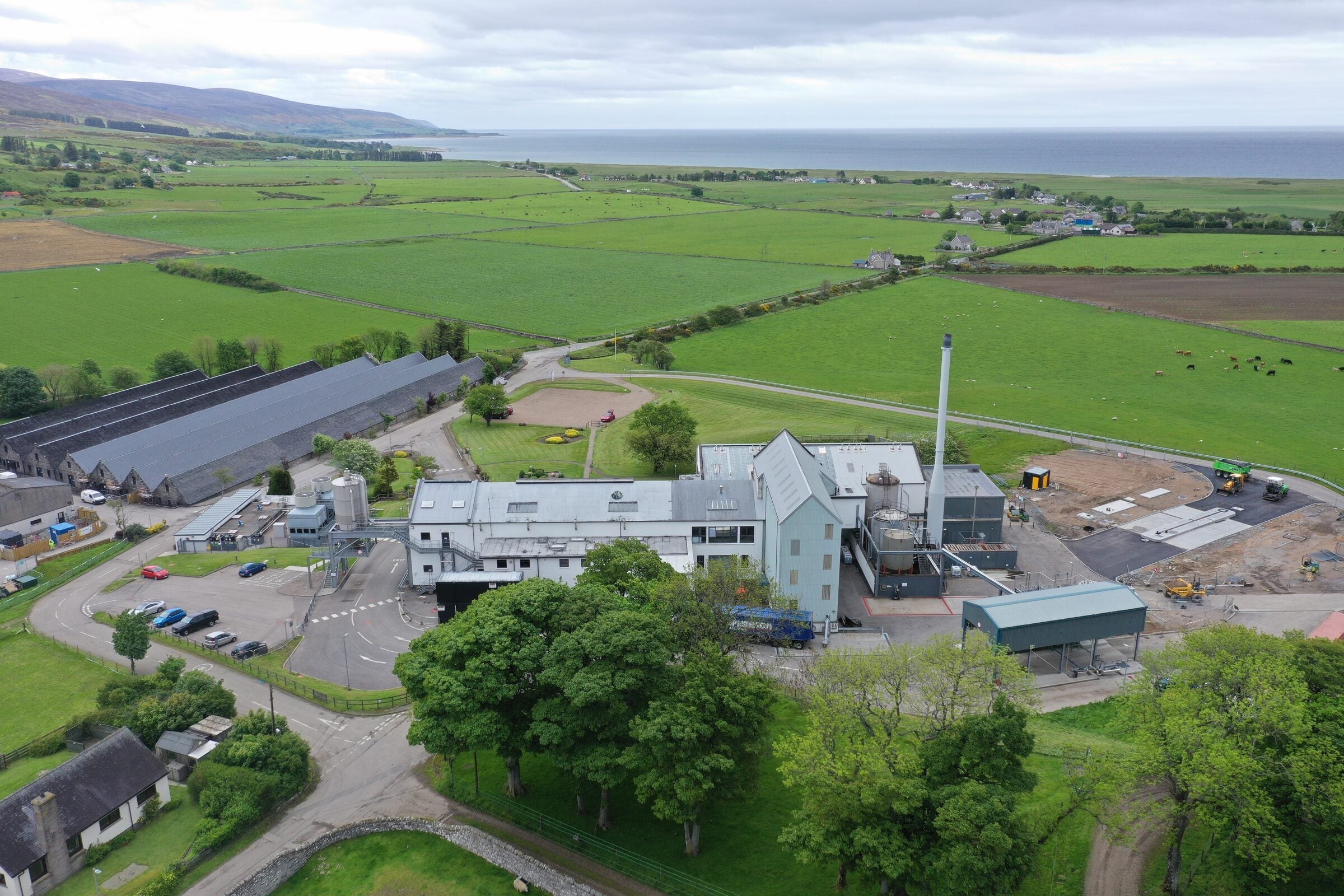
Clynelish Distillery: The Waxy Highland Malt Beside a Legend
Clynelish guide: the distinctive waxy character no other distillery replicates, the shared history with the legendary Brora next door, what it tastes like, and our own cask-strength bottling.
Read more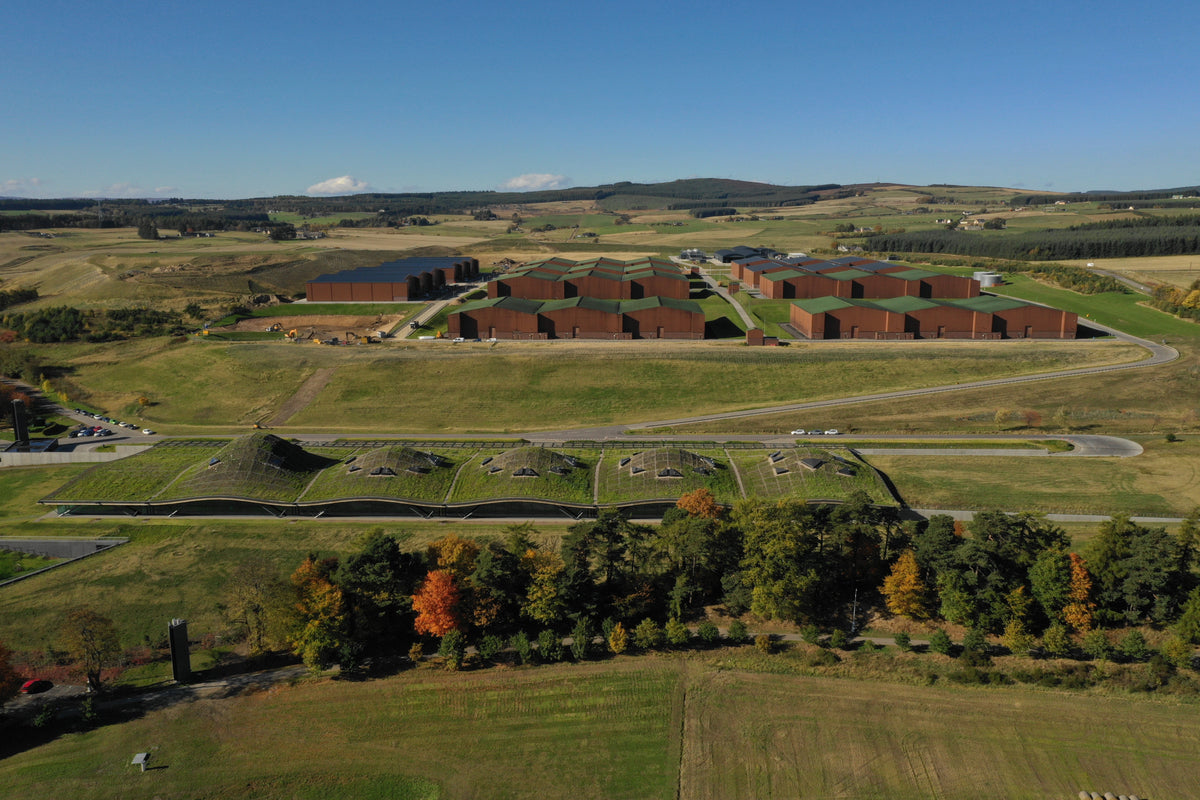
The Macallan Distillery: History, Whisky & Cask Ownership
The definitive guide to The Macallan: two centuries of Speyside history, curiously small stills, the Jerez sherry-oak programme and record-breaking auctions. Plus a clear-eyed look at buying and se...
Read more


