
Teaninich Distillery: The Highland Giant Without a Mash Tun
Teaninich distils more spirit in a year than Lagavulin, Oban and Royal Lochnagar combined, yet you could drink whisky for a decade and never see its name on a label. It is also the distillery that did the unthinkable: in 2000 it threw out its mash tun, the vessel every other Scotch malt distillery considers non-negotiable, and replaced it with a hammer mill and an industrial mash filter. For fifteen years it was the only malt distillery in Scotland working this way, and even now only one other has followed.
That combination, enormous scale, near-total anonymity and a genuinely unusual way of making spirit, is exactly what makes Teaninich such fertile ground for independent bottlers. We should know: we have bottled it eleven times. Here is the full story of the Highland giant at Alness.
Teaninich at a glance
| Region | Highland, Alness, on the Cromarty Firth |
| Founded | 1817, by Captain Hugh Munro |
| Owner | Diageo (since the 1997 merger; on the site since DCL bought it in 1933) |
| Capacity | Around 10 million litres of pure alcohol a year, typically quoted at 10.2 million |
| Stills | Twelve since the 2015 expansion, six wash and six spirit |
| Water source | Dairywell Spring |
| Fermentation | Long, around 75 to 80 hours, in wooden and stainless washbacks |
| Malt spec | Unpeated |
| Style | Grassy, leafy and citric, green tea and apple, with a distinctive oily texture |
| Visitor centre | No, a working production site, not open to the public |
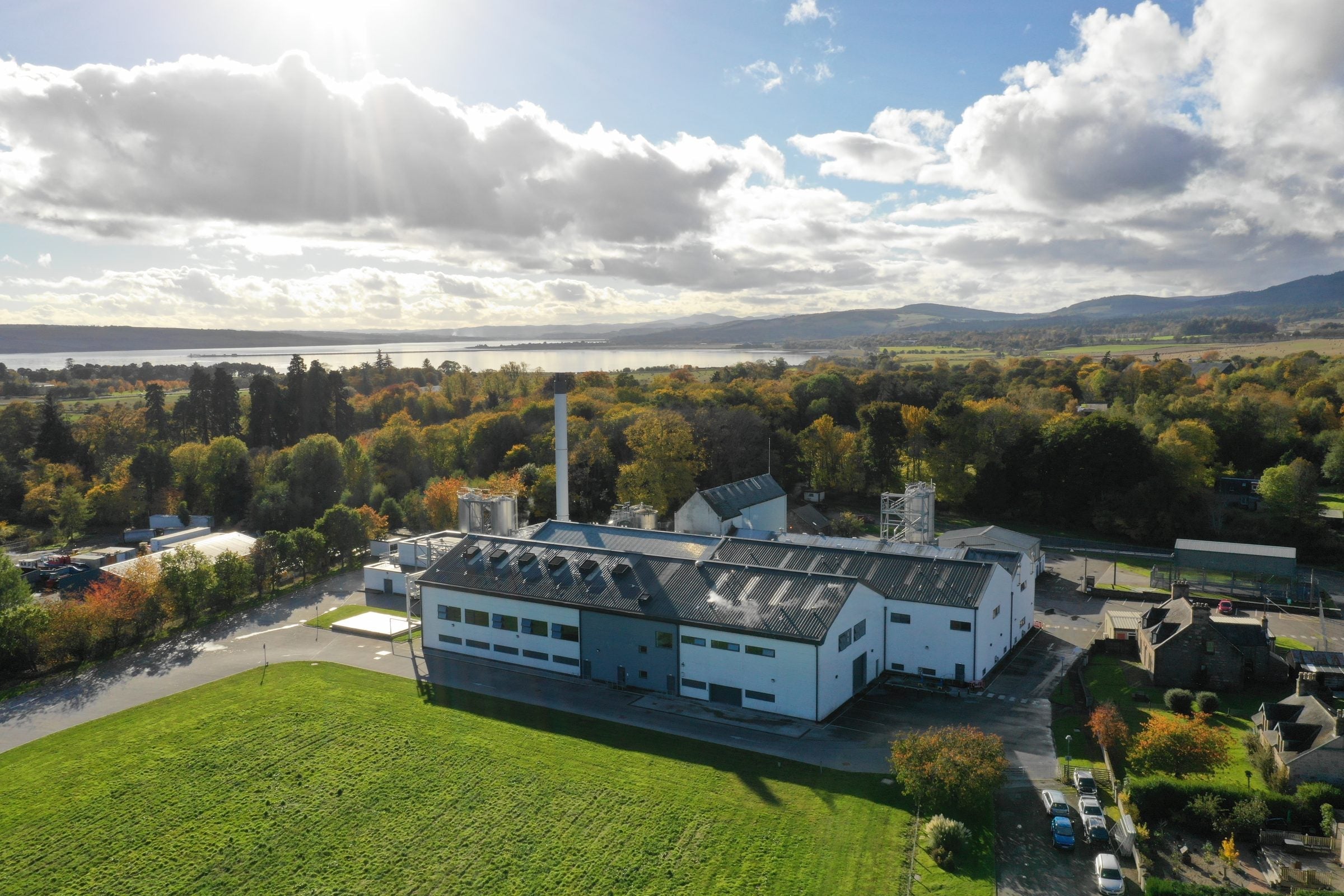
Teaninich from above
There is no visitor centre at Teaninich and no way to see inside, so our drone did the next best thing. The footage shows just how much distillery is packed onto this unassuming site on the edge of Alness, a scale you would never guess from the road.
History
Teaninich was founded in 1817 by Captain Hugh Munro, a laird who had come home from the Napoleonic wars blinded by his wounds and set up a licensed distillery on his estate at a time when most Highland spirit was still being made illegally. Blind or not, Munro built something that worked: by 1830 the distillery was producing many times its original output, and in that year he passed it to his brother, Lieutenant-General John Munro, a veteran of service in India who ran it largely through managers while the make earned its keep locally.
The next century followed a familiar Highland pattern of leases and blenders. John McGilchrist Ross ran the distillery from 1869, the Elgin firm Munro & Cameron took over in 1895, and Robert Innes Cameron, one of the great blend-trade figures of his day, became sole owner in 1904. After his death the distillery was sold in 1933 to the Distillers Company, the forerunner of Diageo, and it has been feeding the blending industry ever since, with a wartime silence from 1939 to 1946 when barley was rationed.
The modern era made Teaninich big. The stills were doubled in 1962, and in 1970 an entirely new six-still distillery, the A side, was built alongside the Victorian buildings. Both sides fell silent in the industry slump of the mid-1980s; the new side reopened in 1991, and the old side was demolished by the end of the decade. In 2000 came the mash filter, of which more below. Then, in 2015, Diageo added six more stills and new washbacks, roughly doubling capacity to around 10 million litres and lifting Teaninich into the top tier of Scottish malt distilleries by size. An even grander plan announced in 2013, for a second 16-still distillery on the same site, was quietly shelved when the industry's expansion fever cooled, though it says something that Teaninich was where Diageo wanted to build it.
The most recent chapter is a pause. In September 2025 Diageo announced it was temporarily halting distilling at Teaninich, alongside two of its American distilleries, as part of a group-wide efficiency drive, with the stoppage scheduled to run to June 2026. Distilleries of this size are the industry's throttle: when the biggest producer trims output, it is the anonymous blend workhorses that go quiet first, however good their spirit.
How Teaninich makes its whisky
Everything interesting about Teaninich's production starts with what is missing. There is no mash tun. Instead of coarse grist steeped in a vessel, a hammer mill batters the malted barley into fine flour, which is mixed with water from the Dairywell Spring and pumped through a mash filter, a rack of cloth plates that squeezes the sugary wort out under pressure. The system, installed in 2000, was for fifteen years unique in Scotch malt whisky, and today only InchDairnie in Fife works the same way. It is common in Belgian brewing and grain distilling, but heresy in the malt world, and it matters because it produces exceptionally clear wort with virtually no solids carried over.
Clear wort plus long fermentation is the classic recipe for a grassy, fruity spirit, and Teaninich doubles down with fermentations of around 75 to 80 hours, far longer than a busy blend-filler strictly needs. The twelve stills, run with generous copper contact and shell-and-tube condensers, give a new-make that comes off fruity, leafy and faintly oily, filled to cask at the industry-standard 63.5%. Nearly all of it goes into Diageo's blends, with Johnnie Walker the most often cited destination; the only regular official single malt is the 10 year old in the Flora & Fauna series, first released in the early 1990s and still the sole distillery bottling most drinkers will ever encounter.
What does Teaninich taste like?
Teaninich's calling card is grassiness, freshly cut hay, nettles and green leaves, often compared to Japanese green tea. Around that core sit crisp orchard fruit, lemon, and a light malty sweetness, all carried on a texture that is surprisingly oily and mouth-coating for such a fresh-tasting spirit. That oiliness is the tell that separates Teaninich from the crowd of light Highland malts: it clings where others evaporate.
It is also a spirit that takes wood remarkably well. In refill and ex-bourbon casks the green-tea character stays front and centre with honey and vanilla building around it. Put it into sherry or fortified wine casks and something more surprising happens: the grassy backbone stands up to the fruit rather than drowning in it, which is why some of the most memorable Teaninichs we have tasted have come from sherry octaves and even more unusual casks.
Teaninich and independent bottlers
Because virtually none of Teaninich's vast output is bottled by Diageo as single malt, the independent sector is where this distillery actually gets tasted. Casks flow steadily into the broker market through the blend trade, mostly refill hogsheads and barrels, and because the name carries no luxury premium they have historically been sensible money. That has made Teaninich a quiet favourite among indie bottlers who care more about liquid than labels: it is consistent, characterful, and cheap enough to experiment with.
The result is a small paradox. One of Scotland's largest distilleries is, on the shelf, effectively an independent-bottler malt, seen through the lens of firms like ours rather than its owner's marketing. It shares that fate with other blend-first distilleries we have profiled, such as Blair Athol, the Highland heart of Bell's, and Speyside's Linkwood. For drinkers that is no bad thing: it means Teaninich is usually bottled at cask strength, without chill filtration, in casks chosen by people who found something worth sharing.
The Single Cask and Teaninich
Teaninich is one of the distilleries we have bottled most often, eleven releases and counting, which tells you what we think of the spirit. Over the years our casks have ranged from a 13 year old bourbon barrel to an 8 year old first-fill ruby port barrel, an 8 year old palo cortado octave, and a 12 year old finished in an ex-Laphroaig quarter cask, a cask that layered a whisper of Islay smoke over Teaninich's wheatgrass and sencha notes to lovely effect. Few distillates would keep their identity through that line-up; Teaninich always does.
Our current release is a 9 year old from cask 716302, distilled in 2011, matured in a bourbon hogshead and finished in a first-fill Pedro Ximénez hogshead, bottled at a cask strength of 58.1% with an outturn of 287 bottles. The nose is citrus, ginger and apple crumble; the palate opens with sour cherries and moves through crunchy pear, allspice, nutmeg and sandalwood; the finish is all ginger, red tea and warm spice, clinging to the tongue the way good Teaninich does. We have also recently bottled an 8 year old from a first-fill oloroso octave, cask 703177B, just 79 bottles, packed with red fruits, raisins, dark chocolate and that unmistakable green-tea thread. As always with our releases: natural colour, no chill filtration, cask strength.

Collectability and cask ownership
Teaninich is not a trophy name, and its auction results reflect that: this is a drinker's malt, not a flipper's. But that is precisely what makes it interesting from a cask perspective. Casks have historically traded at workhorse prices for spirit of genuinely distinctive character, and the distillery's scale means parcels do appear on the market with reasonable regularity. For a first cask, or for someone who wants to bottle their own whisky under their own label, that combination of low entry cost and high liquid quality is hard to beat, and octave finishes of the kind we favour can transform it in a couple of years.
The honest counterweight: with no prestige single malt brand behind it, Teaninich's resale market is thinner than for famous names, and an exit usually means bottling rather than selling on. As with any cask, ownership involves risk and values can go down as well as up; nothing here is financial advice. If you are weighing up what kind of cask makes sense, start with our guide to cask sizes and types, and ask us anything you like before spending a penny.
Visiting
Teaninich has no visitor centre and does not offer tours; it is a production site, and an industrial-looking one at that. But it sits in one of the best whisky-touring corners of Scotland. Dalmore is a few minutes away at Alness's edge, Glenmorangie is just up the A9 at Tain, and the Cromarty Firth setting, with oil rigs moored against Highland hills, is worth the drive on its own. Our drone footage above remains the closest look at Teaninich itself most people will ever get.
Teaninich FAQs
Who owns Teaninich distillery?
Diageo. The distillery has been in the same corporate family since the Distillers Company bought it in 1933, becoming part of Diageo in 1997.
Is Teaninich peated?
No. Teaninich distils an unpeated, grassy Highland spirit, although independent casks with peated histories, like the ex-Laphroaig quarter cask we once bottled, can add a gentle smoky accent.
Why does Teaninich have no mash tun?
In 2000 the distillery replaced its mash tun with a hammer mill and mash filter, which press very clear wort from finely milled malt flour. For fifteen years it was the only Scotch malt distillery using this system, and the clear wort contributes to Teaninich's famously grassy character.
Is Teaninich still in production?
Diageo announced in September 2025 that distilling at Teaninich would be temporarily paused until mid-2026 as part of a group efficiency programme. The distillery remains fully equipped, with maturing stock unaffected.
Can you visit Teaninich?
No, there is no visitor centre or tours. Nearby Dalmore and Glenmorangie both welcome visitors if you are in the area.
Can you buy a cask of Teaninich?
Yes, casks reach the independent market with reasonable regularity and have historically been attractively priced for the quality. Ask us and we will tell you plainly what is available and what it should cost.
Own a piece of Teaninich
Teaninich rewards people who trust their palate over the label. It will never be the famous name on the shelf, but it is one of the most distinctive distillates in the Highlands, it takes interesting casks brilliantly, and it remains one of the most sensibly priced ways into cask ownership we know. Eleven bottlings in, we keep coming back to it, which is the only endorsement that really counts from an independent bottler.
If you are curious about buying a whisky cask, from Teaninich or any distillery we work with, or about bottling a cask under your own label, get in touch. We taste everything we sell, and we will give you a straight answer about cost, quality and what the whisky is actually like.
Work with The Single Cask
Buy a whisky cask, bottle under your own label, or store casks in our HMRC approved bonded warehouse in Fife.
Read more
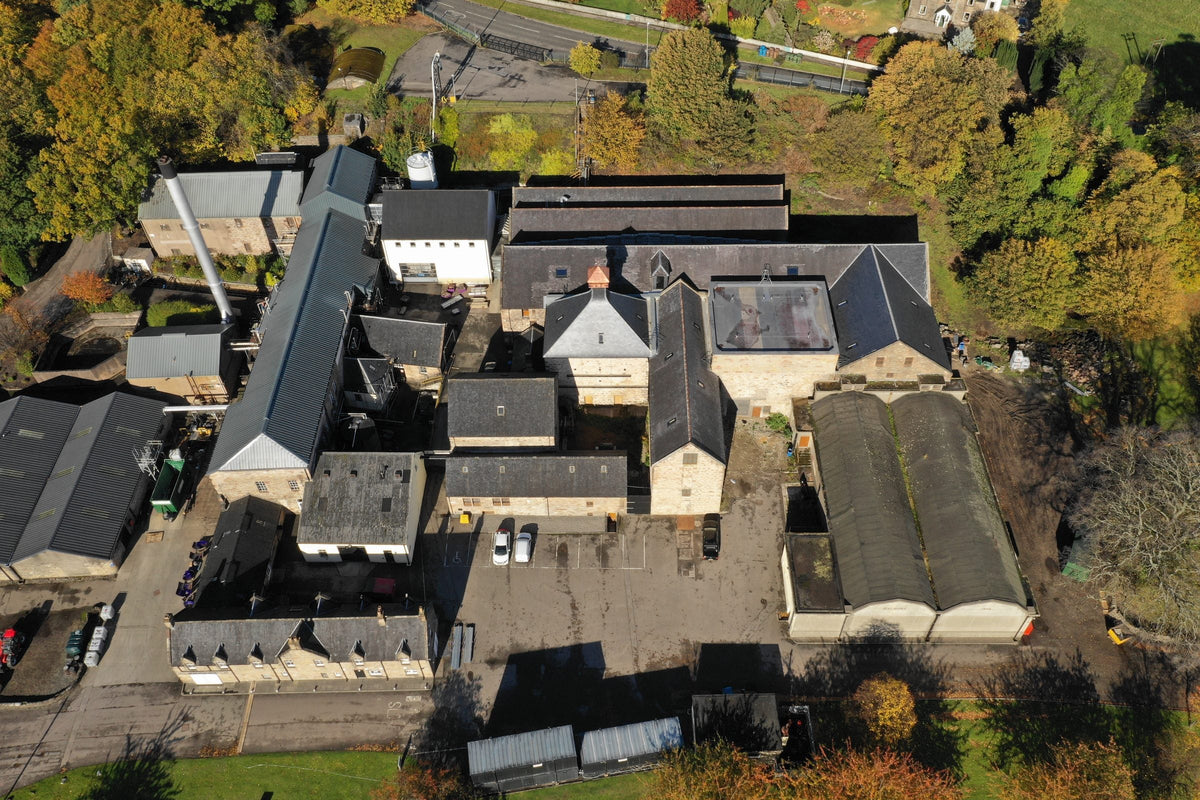
Dalmore Distillery: The Stag, the Sherry and a £40 Million Bet
Dalmore wears a royal stag earned in 1263, matures its whisky in sherry casks few others can get, and has just doubled in size after a £40 million rebuild. Here is the full story of the Highland lu...
Read more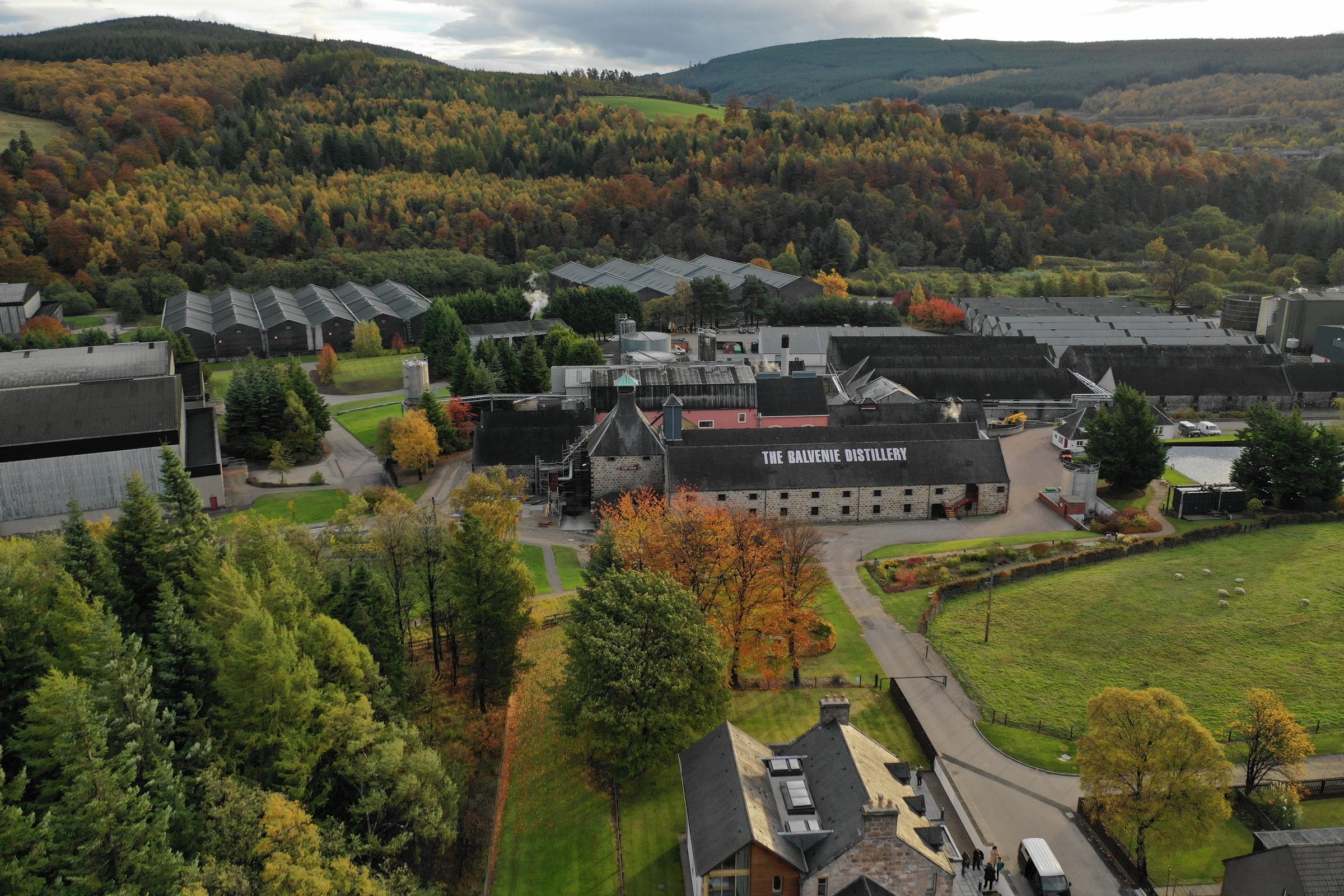
The Balvenie Distillery: Dufftown's Keeper of the Five Rare Crafts
The Balvenie still grows barley, turns a working malting floor and keeps its own coppersmith and coopers. Here is the full story of Dufftown's hand-crafted Speysider, and an honest answer to the qu...
Read more


