
Article: Daftmill Distillery: The Farm That Only Distills When the Harvest Allows
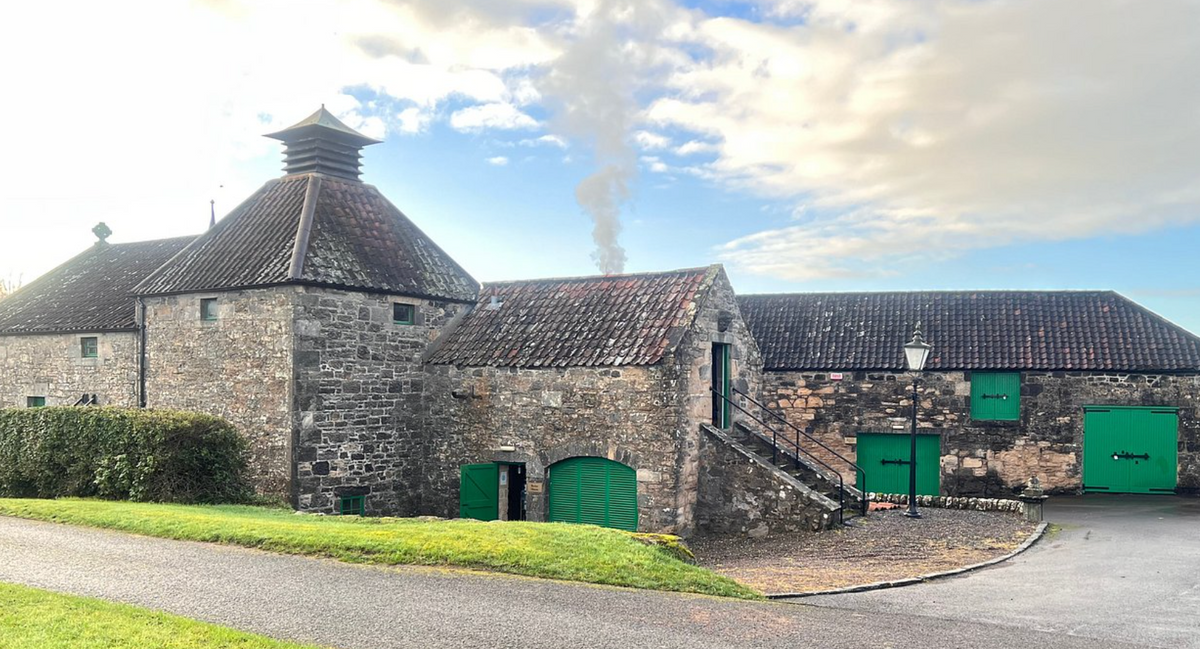
Daftmill Distillery: The Farm That Only Distills When the Harvest Allows
Most distilleries run to a production schedule. Daftmill runs to a harvest schedule. Set on a working arable farm in the Howe of Fife, it only distills when the farm's own calendar of ploughing, sowing and harvesting leaves the Cuthbert family time to do it, and its whisky is made entirely from barley grown on the farm itself.
Daftmill at a glance
| Region | Lowland, Howe of Fife, near Cupar |
| Licensed | 2005 |
| First distillation | 16 December 2005 |
| Capacity | Up to 20,000 litres of alcohol a year |
| Stills | 1 wash (2,500 litres), 1 spirit (1,500 litres) |
| Style | Unpeated, farm-grown barley, first release the Daftmill 2005 12 Year Old Inaugural |

History of Daftmill
HMRC granted Daftmill its distilling licence in 2005, and the first spirit ran off the still on 16 December that year, in a converted farm building on the Cuthbert family's land in the Howe of Fife. There is no grand founding myth here. This is a working farm first, with distilling as a seasonal sideline fitted around the demands of growing and harvesting barley on the same ground the whisky is made from.
That approach makes Daftmill one of the smallest and slowest producers in Scotch whisky. With a maximum capacity of only 20,000 litres of alcohol a year, a single wash still of 2,500 litres and a spirit still of 1,500 litres, output stays modest by design, not necessity. The distillery's first official release, the Daftmill 2005 12 Year Old Inaugural Release, did not appear until the whisky had matured long enough to be worth bottling, a patient approach that has defined the brand since.

How Daftmill makes its whisky
Every grain of barley Daftmill distills is grown on the farm itself, an unusually direct field-to-bottle claim in an industry where most distilleries buy malted barley from specialist maltsters hundreds of miles away. The spirit is unpeated, and water for the process comes from the farm's own Cupar spring. Because the Cuthberts distill only when farm work allows, rather than running continuously, release volumes stay small and irregular, which has made Daftmill something of a cult name among collectors who track vintage years rather than age statements.

Daftmill and independent bottlers
Daftmill's own releases are tightly rationed, and the distillery does not supply casks to independent bottlers in the way larger, higher-volume Lowland producers do. What little reaches the secondary market tends to command a premium precisely because of how little exists.

Daftmill and The Single Cask
We don't currently hold a Daftmill cask, and given how little the distillery itself releases, that is unlikely to change soon. If a Lowland character from a working farm appeals to you, get in touch and we'll tell you what genuinely comparable Lowland stock we hold right now.
Plan a bottling inspired by Daftmill
Daftmill's whole approach, grow your own barley, distill when the farm allows, release only when it's ready, is a useful reminder that patience is often the real ingredient behind a distinctive whisky. If that kind of unhurried approach to your own bottling appeals, start with our whisky casks available page, or read about buying a whisky cask and the four steps to bottling your own whisky. For something under your own name, our private label whisky service covers that end to end. For more on Fife and the Lowland region, see our guides to Kingsbarns and Lindores Abbey.
We hold a wide range of casks to sell to independent bottlers and private customers, drawn from many different distilleries, finished in a variety of wood types from sherry and port casks to bourbon and rum, with real differences in yeast and production style from one distillery to the next. If you are an independent bottler looking for stock, or you have always wanted a cask of your own, talk to us about what we currently hold in the warehouse. Where we don't hold the exact distillery featured in this guide, we say so honestly, and we're usually able to point you toward something close in style from what we do have.
If you have questions about any of this, or about Daftmill in particular, our contact page is the fastest way to reach us.
Frequently asked questions
Why does Daftmill only distill sometimes?
It is a working arable farm first. The Cuthbert family distills only when the farm's ploughing, sowing and harvesting schedule leaves them time.
Does Daftmill grow its own barley?
Yes, all the grain used in distillation is grown on the farm itself in the Howe of Fife.
When did Daftmill start distilling?
It was licensed in 2005 and ran its first spirit on 16 December that year.
How big is Daftmill distillery?
Very small: one wash still (2,500 litres) and one spirit still (1,500 litres), with a maximum capacity of 20,000 litres of alcohol a year.
Is Daftmill whisky peated?
No, it is unpeated.
Does The Single Cask sell a Daftmill cask?
Not at the moment, and the distillery's own tightly rationed output makes that unlikely to change soon. Contact us for comparable Lowland stock.
Work with The Single Cask
Buy a whisky cask, bottle under your own label, or store casks in our HMRC approved bonded warehouse in Fife.
Read more

BenRiach Distillery: Sixty-Five Years of Silence, Then Three Styles at Once
BenRiach sat silent for 65 years after its 1900 closure, kept alive only by its maltings. Revived in 1965, it now makes classic, peated and triple-distilled Speyside malt side by side.
Read more


