
Benrinnes Distillery: Speyside's Meaty Secret
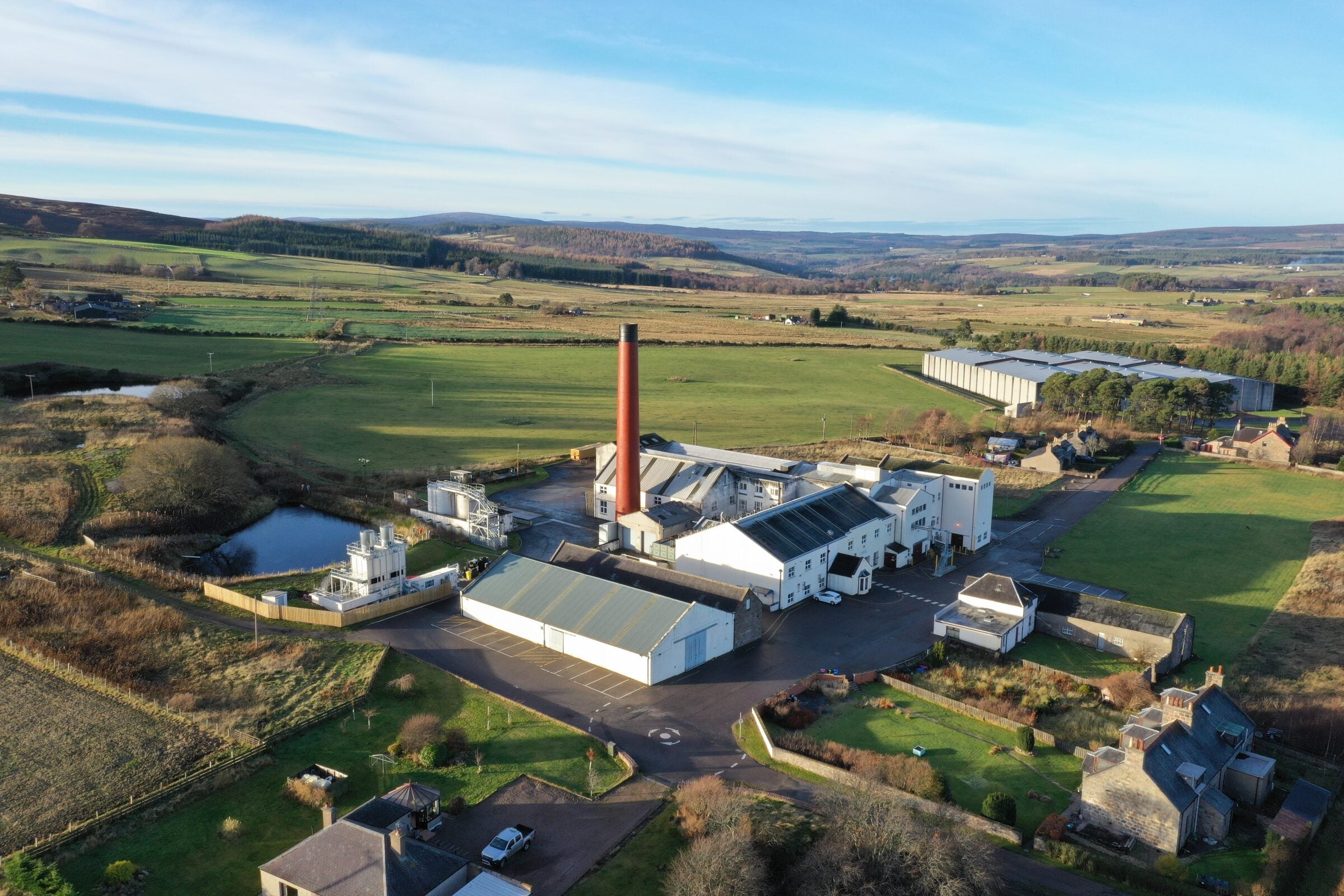
When the Victorian whisky chronicler Alfred Barnard climbed up to Benrinnes in the 1880s, he declared that "no more weird or desolate a place could have been chosen" for a distillery. That bleakness is the point. Perched around 200 metres up the northern shoulder of Ben Rinnes, the mountain that towers over half of Speyside, this distillery has spent two centuries being flooded, burned down, rebuilt and re-engineered, and all the while it has quietly made one of the region's most distinctive spirits: a muscular, meaty malt that behaves more like a Highland bruiser than a soft Speysider.
Almost all of it disappears into blends, which is why so few whisky drinkers know the name. Independent bottlers know it very well indeed, and we have bottled more casks of Benrinnes than of almost any other distillery. Here is the full story of "The Ben".
Benrinnes at a glance
| Region | Speyside, on the slopes of Ben Rinnes above Aberlour |
| Founded | 1826 by Peter McKenzie; rebuilt on the present site in 1835 after a catastrophic flood |
| Owner | Diageo |
| Capacity | Around 3.5 million litres of pure alcohol a year (older sources quote 2.5 million) |
| Stills | Six, steam-heated, with the wash stills more than double the size of the spirit stills |
| Water source | The Scurran and Rowantree Burns, running off Ben Rinnes |
| Fermentation | Eight wooden washbacks; fermentations of at least 60 hours |
| Malt spec | Unpeated |
| Style | Robust, meaty Speyside; worm tubs keep the new make heavy and sulphury |
| Visitor centre | No, a working production site not open to the public |
History of Benrinnes
Benrinnes began in 1826, when a farmer named Peter McKenzie took out one of the new licences created by the 1823 Excise Act and started distilling at Whitehouse Farm, high on the mountain. He had three years of production before nature intervened. The great Moray floods of 1829, the worst in the region's recorded history, sent a torrent down Ben Rinnes that destroyed the distillery outright.
The Benrinnes that exists today is really the second attempt. In 1835 John Innes rebuilt about a mile away at Lyne of Ruthrie, on the site the distillery still occupies, and it traded for a time under that name before a later owner, William Smith, renamed it Benrinnes after the mountain that had both created and destroyed its predecessor. Bankruptcies and changes of hands followed, as they did at most Victorian distilleries, until the Edward family, David and then his son Alexander, took charge and expanded it. Alexander Edward is one of Speyside's great forgotten figures, a whisky magnate whose fingerprints are also on Craigellachie, Aultmore and Dailuaine.
"No more weird or desolate a place could have been chosen," said Alfred Barnard, visiting Benrinnes in the 1880s
Disaster struck again in 1896 when fire tore through the site, but the rebuild that followed brought Benrinnes into the modern age, including early electric lighting. John Dewar & Sons bought the distillery in 1922, and three years later Dewar's was absorbed into the Distillers Company Limited, the giant combine that eventually became today's owner, Diageo. A major reconstruction in the mid-1950s gave the distillery its current workmanlike appearance, Saladin boxes replaced the malting floors in 1955 (they ran until 1984), and the still house grew from three stills to six in 1966.
Through all of this, Benrinnes has had one consistent job: feeding blends. Its malt has gone into Crawford's 3 Star, J&B and, above all, Johnnie Walker. The only regular official single malt is the 15 year old in Diageo's Flora & Fauna range, released in 1991 and still the sole easy way to taste an official Benrinnes today.
How Benrinnes makes its whisky
Benrinnes is a distillery whisky geeks talk about in reverent tones, because for decades it did something almost nobody else in Scotland did. From 1974 until 2007 its six stills ran a form of partial triple distillation, splitting the low wines into strong and weak feints and redistilling them in stages, a system with echoes of the regimes at Mortlach and Springbank. Combined with worm tub condensers, the coiled copper pipes submerged in cold water outside the still house, it produced a famously dense, meaty, lightly sulphury new make quite unlike the orchard-fruit Speyside norm.
In 2007 Diageo simplified the regime to a conventional double distillation, and the modern spirit is a touch cleaner as a result. But the essentials that make Benrinnes taste like Benrinnes are still in place. Water comes off the mountain from the Scurran and Rowantree Burns. The mash tun fills with around nine tonnes of unpeated grist, and eight wooden washbacks give fermentations of at least 60 hours. The six steam-heated stills are plain and pear-shaped, built for character rather than elegance, with wash stills more than twice the size of the spirit stills, and the worm tubs remain, keeping copper contact low and preserving that weighty, old-fashioned texture. Depending on the source you read, the distillery now turns out somewhere between 2.5 and 3.5 million litres of pure alcohol a year.
The result is one of Speyside's great contradictions: a spirit made in the heart of the region that blenders prize precisely because it does not taste like a typical Speysider.
What does Benrinnes taste like?
Young Benrinnes from refill or ex-bourbon wood shows sweet malt, orchard fruit and walnuts with a signature thread of white and black pepper, a nutty, faintly savoury undertow and a texture that fills the mouth. With age, or in active sherry and fortified-wine casks, it turns rich and brooding: rancio, raisins, leather, dark chocolate and roasted meat notes that have earned it comparisons with Mortlach, its fellow worm-tub Speysider. That savoury weight is why blenders love it, it gives a blend backbone, and why single cask bottlings can be so dramatic. Sulphur-shy drinkers occasionally find very young examples challenging; give the spirit good wood and a few extra years and it repays the patience many times over.
Benrinnes and independent bottlers
With official releases limited to the Flora & Fauna 15 year old and the occasional special edition, independent bottlers are the main way anyone gets to taste Benrinnes, and casks have historically been relatively obtainable because so much is laid down for blending. A.D. Rattray even built a brand, Stronachie, around Benrinnes malt, reviving the name of a lost Perthshire distillery with liquid from The Ben. Among the independents it has a reputation as a connoisseur's malt: unfashionable, undervalued and capable of brilliance, particularly in sherry, port and other fortified-wine casks that flatter its meaty core. If you enjoy hunting for character rather than labels, Benrinnes is one of Speyside's best-kept secrets, alongside quiet neighbours like Glentauchers and Mannochmore.
The Single Cask and Benrinnes
Benrinnes is one of our house favourites, and we say that with the receipts to prove it: we have bottled around twenty individual casks of it over the years, more than almost any other distillery we work with. The Ben's robust spirit takes interesting wood fearlessly, and we have used that to explore casks most distilleries' spirit could not handle.
Our journey started with cask 302110, a 10 year old ex-bourbon hogshead bottled at 58.4% that showed the cleaner post-2007 style beautifully: sweet malt, crisp green apples and cracked walnuts, with cinnamon and black pepper on the palate. From there we went deeper into fortified wine casks, including a pair of 12 year old sister octaves (casks 313608A and 313608C, Oloroso and PX) and a 13 year old matured in a Shiraz red wine barrique (cask 300306) that layered sour cherries and rancio over the malt. A remarkable 2012 parcel gave us a run of 9 and 10 year olds from first fill Ruby and Tawny Port, Madeira and Oloroso casks, all sharing that unmistakable Benrinnes signature of rancio, pepper, raisins and dark chocolate. We have even bottled a 7 year old from a first fill Catoctin Creek rye quarter cask (cask 302628), peaches and white pepper over malt, and most recently a 14 year old from a Garrison bourbon barrel (cask 301411), all butterscotch, ginger and honeyed citrus.
Two are available at the time of writing. Our Benrinnes 8 year old from a Madeira wine barrel (cask 302598B), bottled at a cask strength of 59.7% and limited to 54 bottles, is wonderfully fruity and indulgent, thick honey, baking spices, flaked almonds and chocolate caramel, a dram to enjoy with or instead of dessert. The last bottles of our 10 year old first fill Ruby Port barrel (cask 313795A) show the darker side: rancio, black pepper, green tea and dark chocolate at 56.7%. Both are bottled as everything we release is, at cask strength, natural colour and without chill filtration.

Collectability and cask ownership
Benrinnes is not a trophy name like The Macallan, and that is precisely its appeal to a certain kind of buyer. Auction prices for independent Benrinnes remain modest, which means drinkers can still afford exceptional single casks, while well-chosen sherry-matured examples and older official rarities have shown steady collector interest as the cult of the worm-tub distilleries, led by Mortlach, has grown. If Diageo ever gives Benrinnes the promotion it has given other blend workhorses, today's bottlings will look like bargains; there is no guarantee it ever will.
For cask buyers, Benrinnes offers a characterful, blend-backed Speyside make that responds superbly to active wood, at prices far below fashionable names. The honest counterpoint is that its single malt market is thin, so resale depends more on liquid quality than label power. As with any cask, ownership involves risk and values can go down as well as up, and nothing here is financial advice. If you are weighing up a purchase, start with our plain-English guide to cask sizes and types, and ask us what we would actually pay.
Visiting Benrinnes
Benrinnes has no visitor centre and is not open to the public, it is a working Diageo production site. The compensation is the setting. The distillery sits on the Ben Rinnes massif itself, and the walk up the mountain from the Glack Harnes car park is one of Speyside's finest half-days: from the 840-metre summit you can pick out the glens of a dozen distilleries, with Aberlour, Craigellachie and Dufftown all within a short drive for those in search of an open door and a dram.
Benrinnes FAQs
Who owns Benrinnes distillery?
Diageo. The distillery came into the Distillers Company Limited fold in 1925, three years after John Dewar & Sons bought it, and DCL's successor Diageo owns it today.
What does Benrinnes taste like?
Robust and meaty for a Speyside: sweet malt, orchard fruit and walnuts shot through with pepper, gaining rancio, raisins, leather and dark chocolate in sherry or port casks. Worm tub condensers give it a weighty, old-fashioned texture.
Is Benrinnes peated?
No, Benrinnes uses unpeated malt. Its savoury weight comes from the distillation regime and worm tubs rather than peat smoke.
What is partial triple distillation?
A hybrid regime Benrinnes ran from 1974 to 2007, in which low wines were split into strong and weak feints and redistilled in stages, roughly two and a half times in all. It contributed to the malt's famously meaty character before Diageo reverted to conventional double distillation.
Can you visit Benrinnes distillery?
No, there is no visitor centre. The nearby Speyside towns of Aberlour, Craigellachie and Dufftown offer plenty of distillery tours, and the hike up Ben Rinnes itself passes close to the site.
Can you buy a cask of Benrinnes?
Yes, casks of Benrinnes reach the independent market more often than most Speyside malts because so much is laid down for blending. Ask us and we will tell you honestly what is available and what it should cost.
Own a piece of Benrinnes
Benrinnes rewards people who trust their palate over the marketing budget. It is a malt with two centuries of turbulent history, a production regime blenders built empires on, and a price that has not yet caught up with its quality, which makes it one of the most interesting names in Speyside whether you are after a single bottle or a cask maturing in your own name.
If you are curious about buying a whisky cask, from Benrinnes or any distillery we work with, or about bottling one under your own label, get in touch. We will give you a straight answer about availability, cost and what the whisky is actually like, because we taste everything we sell.
Work with The Single Cask
Buy a whisky cask, bottle under your own label, or store casks in our HMRC approved bonded warehouse in Fife.
Read more
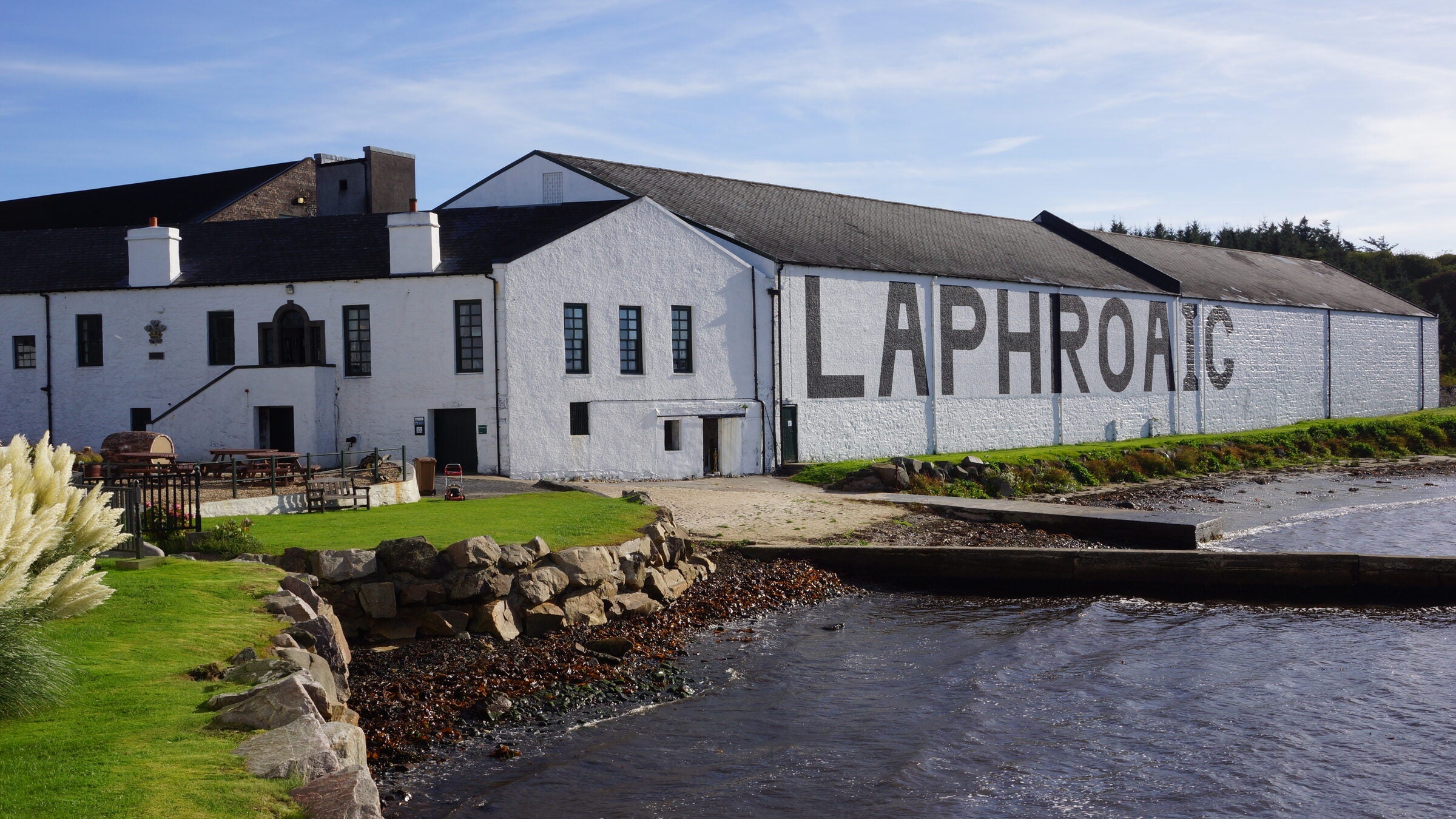
Laphroaig Distillery: Islay's Great Divider
Every independent bottler sells Laphroaig, and almost none of them are allowed to say so. The story of Islay's most divisive malt takes in a fatal vat of pot ale, a Prohibition loophole, a secretar...
Read more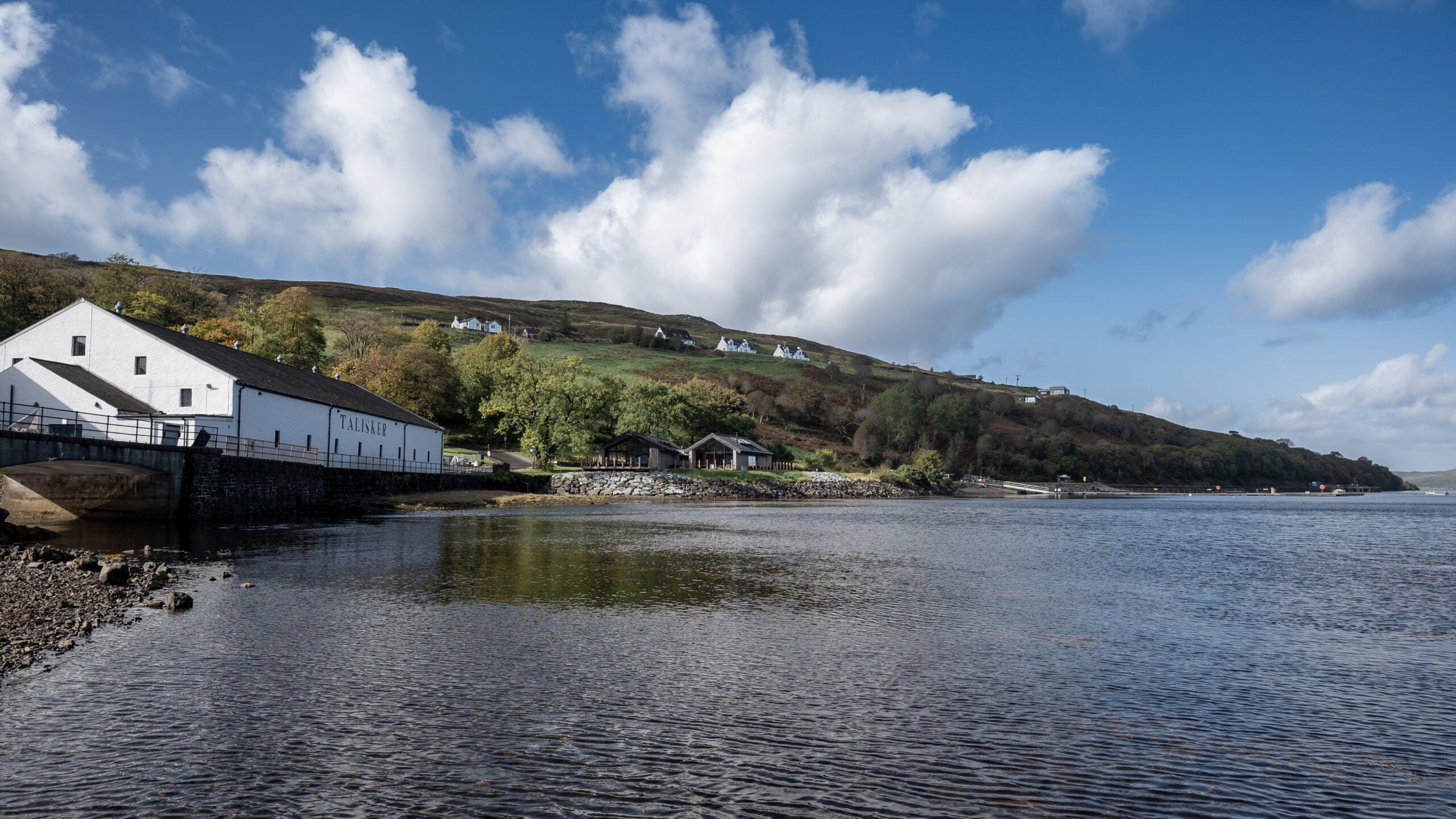
Talisker Distillery: The Peppery King of Skye
Skye's oldest distillery has been making peppery, maritime malt since 1830, in stills rebuilt as exact replicas after the 1960 fire. Here is the full Talisker story, and an honest answer to the que...
Read more


