
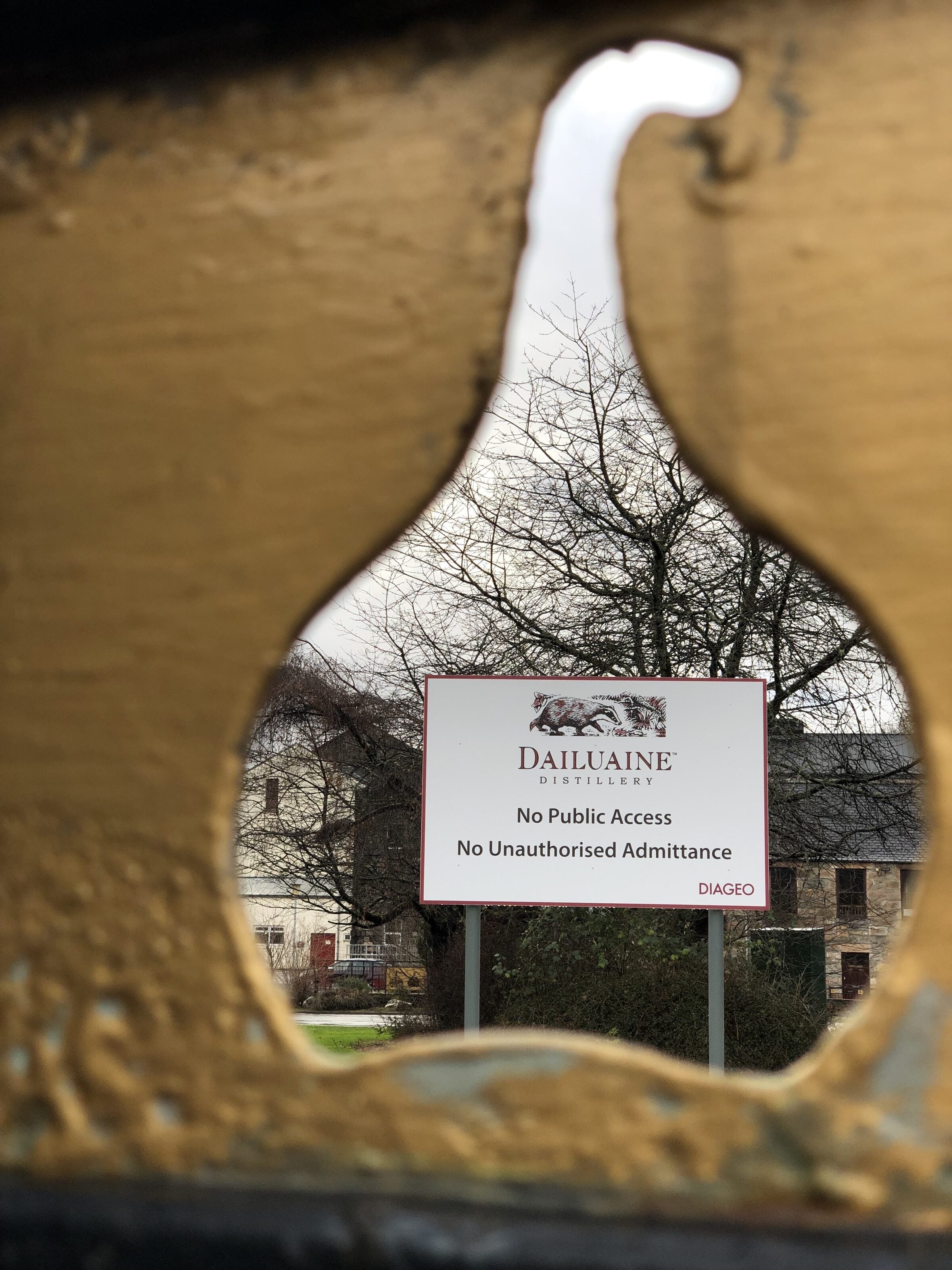
Dailuaine Distillery: The Green Vale That Gave Whisky the Pagoda
Every time you see a pagoda roof on a Scotch whisky distillery, you are looking at an idea that was tried out first at Dailuaine. In 1889 the architect Charles Doig fitted this quiet Speyside workhorse with his new ventilating kiln roof, and within a generation it had become the single most recognisable silhouette in whisky.
Yet hardly anyone has tasted the whisky made under it. Dailuaine sits by the River Spey at Carron, a few minutes from Aberlour, making one of the biggest, meatiest spirits in Speyside, and Diageo keeps almost every drop for blending. Less than 2% of its output has typically been bottled as single malt, which is precisely why independent bottlers like us pay such close attention to it. This is our guide to Dailuaine: its history, how the whisky is made, what it tastes like, and what our own casks have taught us about it.
Dailuaine at a glance
| Region | Speyside (Carron, near Aberlour) |
| Founded | 1852, by William Mackenzie (some sources say 1851) |
| Owner | Diageo |
| Capacity | Around 5.2 million litres of pure alcohol a year |
| Stills | 6 (three lamp-glass wash stills, three plain spirit stills) |
| Water source | The Bailliemullich Burn |
| Fermentation | Historically long (75 hours plus); shortened in recent years |
| Malt spec | Unpeated |
| Style | Heavy, meaty, malty, and built for sherry casks and blends |
| Visitor centre | No |

History
Dailuaine takes its name from the Gaelic an dail uaine, the green vale, and the setting lives up to it: a hollow beside the Carron Burn on the south bank of the Spey, with Ben Rinnes rising behind. William Mackenzie, a local farmer, founded the distillery here in 1852 (a date some references give as 1851) and his family would steer it for half a century.
The Mackenzies thought big. A branch railway line opened in 1863, connecting the distillery to Carron station and the Strathspey railway, and after a major rebuild in 1884 Dailuaine was being described as one of the largest and most modern distilleries in the Highlands. Then came the detail that changed the look of an entire industry. When Charles Doig worked on the site in 1889, he designed a steeply pitched, ventilating kiln roof to draw air through the drying malt: the first "Doig ventilator", better known today as the pagoda. It worked so well that nearly every distillery built or rebuilt afterwards copied it. Ironically, a fire in 1917 destroyed the original pagoda itself, closing Dailuaine for three years.
Corporate history moved quickly around it. Dailuaine-Glenlivet Distillery Ltd was floated in 1891, then merged with Talisker in 1898 to form Dailuaine-Talisker Distilleries Ltd, an odd couple of a Speyside blending engine and a Skye icon under one roof. The Distillers Company (DCL) took control in 1925, and through United Distillers the site passed to what is now Diageo. A 1959 fire led to a full rebuild in 1960, when the stills went from four to six and Saladin box maltings replaced the old floor maltings; in-house malting ceased altogether in 1983. Capacity was expanded by around a quarter in 2012.
Two relics of the old days survive. A granite building near the entrance once housed the distillery's own steam locomotive, the "puggy", which shuttled casks and coal down to Carron until the railway closed in the 1960s. And alongside the distillery Diageo operates a large dark grains plant, processing spent grains and pot ale from its distilleries across the region into cattle feed, unglamorous work but a reminder that Dailuaine has always been an industrial linchpin as much as a whisky brand.
How Dailuaine makes its whisky
On paper, Dailuaine should make a light whisky. Six good-sized stills, a modern lauter mash tun charged at 11.25 tonnes, unpeated malt: the standard recipe for a gentle Speysider. The result is anything but, and the reasons are deliberate.
The first is fermentation. Dailuaine traditionally ran very long fermentations (75 hours and more) in a mix of wooden and stainless steel washbacks, building deep, malty complexity in the wash. The second is distillation practice: the stills are run relatively hard and fast, giving the vapour less conversation with the copper. The third, and most unusual, is the condensers. Where most distilleries use copper shell-and-tube condensers, Dailuaine cools its spirit in stainless steel. Copper strips out heavy, sulphury compounds; stainless steel leaves them in. The new make comes off the still at 66% to 68% with real weight to it: meaty, broad-shouldered spirit that blenders prize because it gives a blend backbone.
That flexibility is trusted inside Diageo. When Clynelish closed for refurbishment in the mid-2010s, it was Dailuaine that was reportedly tasked with producing a waxy, Clynelish-style spirit to keep the blending inventory stocked, a stand-in role very few distilleries could play. In recent years the regime has evolved again, with reports of shorter fermentations nudging the profile slightly nuttier, but the essential character remains: this is Speyside with its sleeves rolled up.
Almost all of it goes into blends, above all Johnnie Walker. The dense, robust spirit takes first-fill sherry wood exceptionally well, which is why so much Dailuaine sleeps in ex-sherry casks in the group's warehouses.
What does Dailuaine taste like?
The house style is rich, malty and substantial. Fresh from the still it is meaty in the way Mortlach or Benrinnes can be: think stock, roasted nuts and dense cereal rather than heather and flowers. Maturation softens that muscle into something generous: barley sugar, orchard fruit, honey and baking spice from bourbon wood; dried fruit, dark chocolate and a savoury, almost leathery depth from sherry.
The official Flora & Fauna 16 year old, drawn largely from sherry casks, shows the classic profile: raisins, malt loaf, gentle spice and a thick, chewy texture. From our own casks we have seen the other side of the coin: at natural strength and from ex-bourbon wood, young Dailuaine is surprisingly fresh, all pear juice, green apple and white pepper over that unmistakable malty core. It is a spirit with enough body to carry almost any cask you put it in, which for an independent bottler is a gift.
Dailuaine and independent bottlers
Because Diageo bottles so little of it (the 16 year old Flora & Fauna, launched in 1991, remains the only regular official release, joined by occasional Manager's Drams and special editions), Dailuaine is effectively an independent bottler's malt. Signatory, Gordon & MacPhail, the Scotch Malt Whisky Society and many others have released single casks over the years, and they routinely earn a quiet following among drinkers who like weight and texture in their Speyside.
Independent releases are where Dailuaine's range really shows: bourbon barrels that keep it orchard-fresh, sherry butts that turn it into a Christmas cake, and more unusual casks, such as port, Madeira and rum, that its sturdy spirit shrugs on without losing its shape. For whisky drinkers, that makes Dailuaine one of the best-value ways into serious, old-school Speyside; names like Benrinnes and Linkwood enjoy the same under-the-radar status.
The Single Cask and Dailuaine
We know this distillery well: we have bottled nine single casks of Dailuaine to date, spanning ages from 7 to 14 years and a remarkably varied wardrobe of wood.
Our ex-bourbon casks showed the fresh face of the spirit. Cask 301313, a 12 year old ex-bourbon hogshead distilled in 2007 and bottled at 58.7%, was all fresh pear juice, green apple, barley sugar and honey: malty and delightful, with a sweet, spicy finish. Cask 314939, a 12 year old from a first-fill oloroso hogshead, went the other way entirely: red berries, chocolate, white pepper and floral top notes over the malt.
Dailuaine's tolerance for adventurous casks has given us some of our most memorable releases. We bottled a pair of rum-cask 13 year olds from 2008: cask 301702A, a rum octave with Kellogg's cereal notes, white pepper and unripe orchard fruit, and cask 301702, a first-fill rum quarter cask chosen for Christmas 2021, full of cinnamon, nutmeg and sponge cake soaked in rum. A 10 year old from a first-fill Madeira wine barrel (cask 3028013) layered apricots, raisins and dark chocolate over the malt, and our most recent release, a 14 year old from a tawny port barrel (cask 300893A, distilled February 2010), brought dark chocolate, leather and red fruits at 50.3%.
The one to look for today is our Dailuaine 13 year old, cask 301698, a bourbon barrel distilled in 2008 and bottled at cask strength of 57.1% for our collaboration with the Canadian musician Alex Henry Foster. Its "musical" tasting notes run from a heady riff of Frosties cereal and cinnamon on the nose to a crescendo of stone fruits and salted macadamia on the finish. It is a proper illustration of what a single, well-chosen barrel of Dailuaine can do.

Collectability and cask ownership
Dailuaine is not a trophy name like The Macallan, and its bottles rarely make headlines at auction. That is exactly its appeal for a certain kind of buyer. Because official releases are so scarce, well-aged independent bottlings and discontinued editions have a steady collector following, and casks, when they become available, offer serious Speyside spirit without the premium a famous label commands. The malt's affinity for sherry and fortified wine casks also means a cask can be actively worked during maturation, re-racked into different cask types to shape its final character.
The risks deserve equal billing. Dailuaine has limited brand recognition with the wider public, so an exit usually means selling to an independent bottler, a broker or bottling it yourself rather than relying on name-driven demand. As with any cask, values can go down as well as up, storage and insurance costs accrue, and a cask of whisky is an unregulated purchase; none of this is financial advice. Our approach is simple: buy a cask because you want to own the whisky inside it, and treat any appreciation as a bonus. If that philosophy suits you, Dailuaine is one of the more interesting quiet corners of Speyside in which to own one.
Visiting
Dailuaine has no visitor centre and is not generally open to the public, though the distillery has been known to accommodate private visits by prior arrangement. The site is still worth a detour if you are in Speyside: the buildings sit prettily in their green hollow above the Spey near Carron, the old puggy locomotive shed stands by the entrance, and the Speyside Way passes close by. Combine it with a walk to Aberlour or a visit to one of the region's open distilleries: our guides to Inchgower and The Macallan cover two very different neighbours.
FAQs
Who owns Dailuaine distillery?
Dailuaine is owned by Diageo, which inherited it through United Distillers and the Distillers Company (DCL), owners since 1925. Nearly all of its production goes into Diageo's blends, most famously Johnnie Walker.
What does Dailuaine mean?
The name comes from the Gaelic an dail uaine, meaning "the green vale" or green meadow, a fair description of the distillery's setting beside the Carron Burn, just above the River Spey.
What does Dailuaine whisky taste like?
Dailuaine is a heavy, malty, meaty Speyside malt. Expect barley sugar, orchard fruit and honey from bourbon casks, and dried fruit, chocolate and savoury depth from sherry casks, all carried on a thick, robust texture.
Is there an official Dailuaine single malt?
Only one regular bottling exists: the Dailuaine 16 year old in Diageo's Flora & Fauna range, first released in 1991 and matured largely in sherry casks. Everything else comes from independent bottlers.
Can you visit Dailuaine distillery?
There is no visitor centre. Private tours have occasionally been arranged directly with the distillery, but for most whisky lovers Dailuaine is one to admire from the outside while touring Speyside.
Is Dailuaine a good distillery for cask ownership?
It can be, for the right buyer: scarce official bottlings, robust spirit that suits long maturation and active cask management, and pricing below famous-name Speysiders. But its lower brand recognition affects resale options, and cask values can fall as well as rise; this is not financial advice.
Own a piece of Dailuaine
If this quietly mighty Speysider has caught your imagination, there are two ways to make it yours. The first is a bottle: our 13 year old single cask is available now. The second is a cask of your own: matured in our bonded warehouse, checked and sampled as it ages, and bottled under your own name whenever you judge it ready. We help private buyers do exactly this every week, from first-time owners to seasoned collectors. Start with our guide to buying a whisky cask, or get in touch and we will talk you through what Dailuaine, or any other distillery, is available for. Educate first, dram in hand: that is how we like to do it.
Work with The Single Cask
Buy a whisky cask, bottle under your own label, or store casks in our HMRC approved bonded warehouse in Fife.
Read more
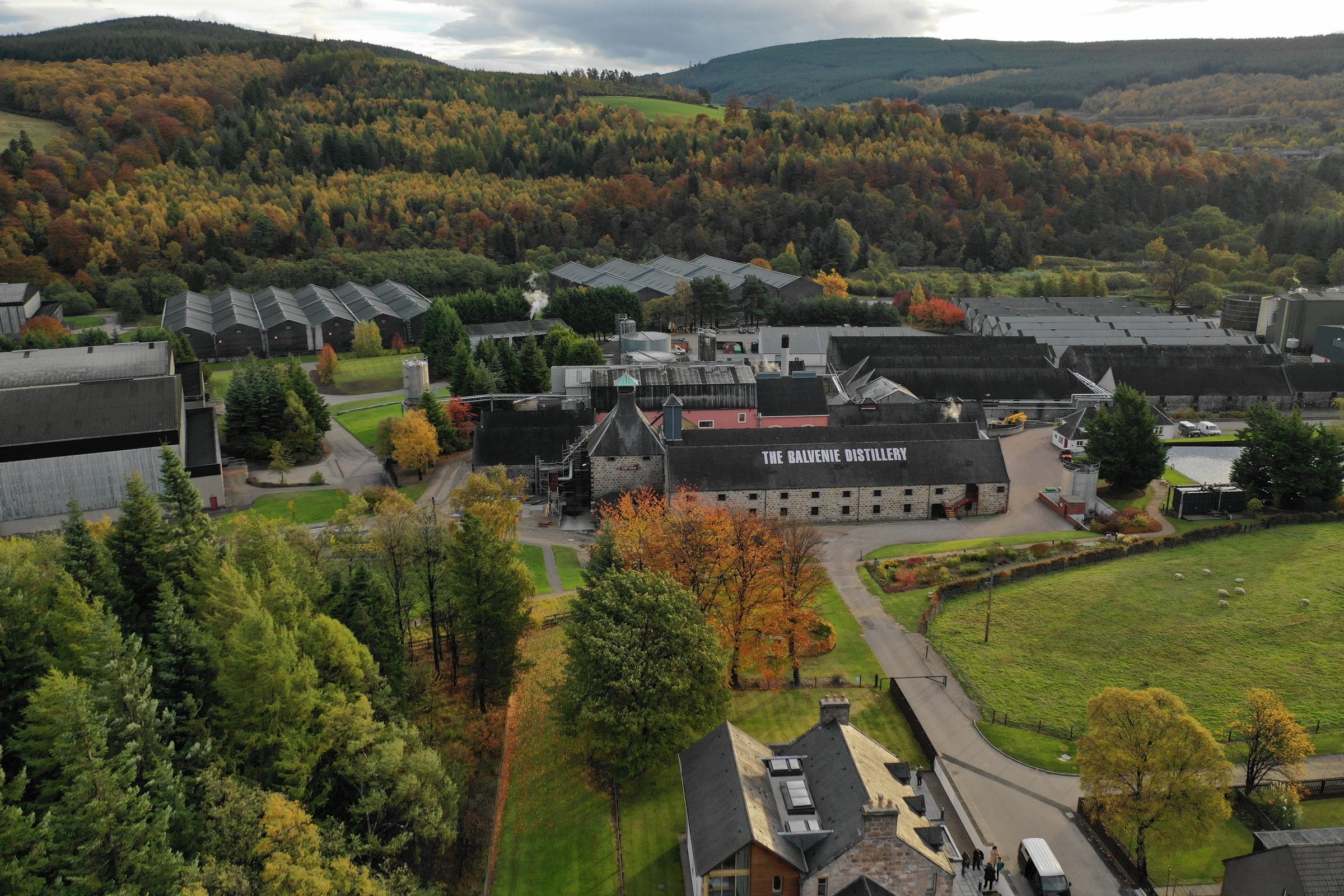
The Balvenie Distillery: Dufftown's Keeper of the Five Rare Crafts
The Balvenie still grows barley, turns a working malting floor and keeps its own coppersmith and coopers. Here is the full story of Dufftown's hand-crafted Speysider, and an honest answer to the qu...
Read more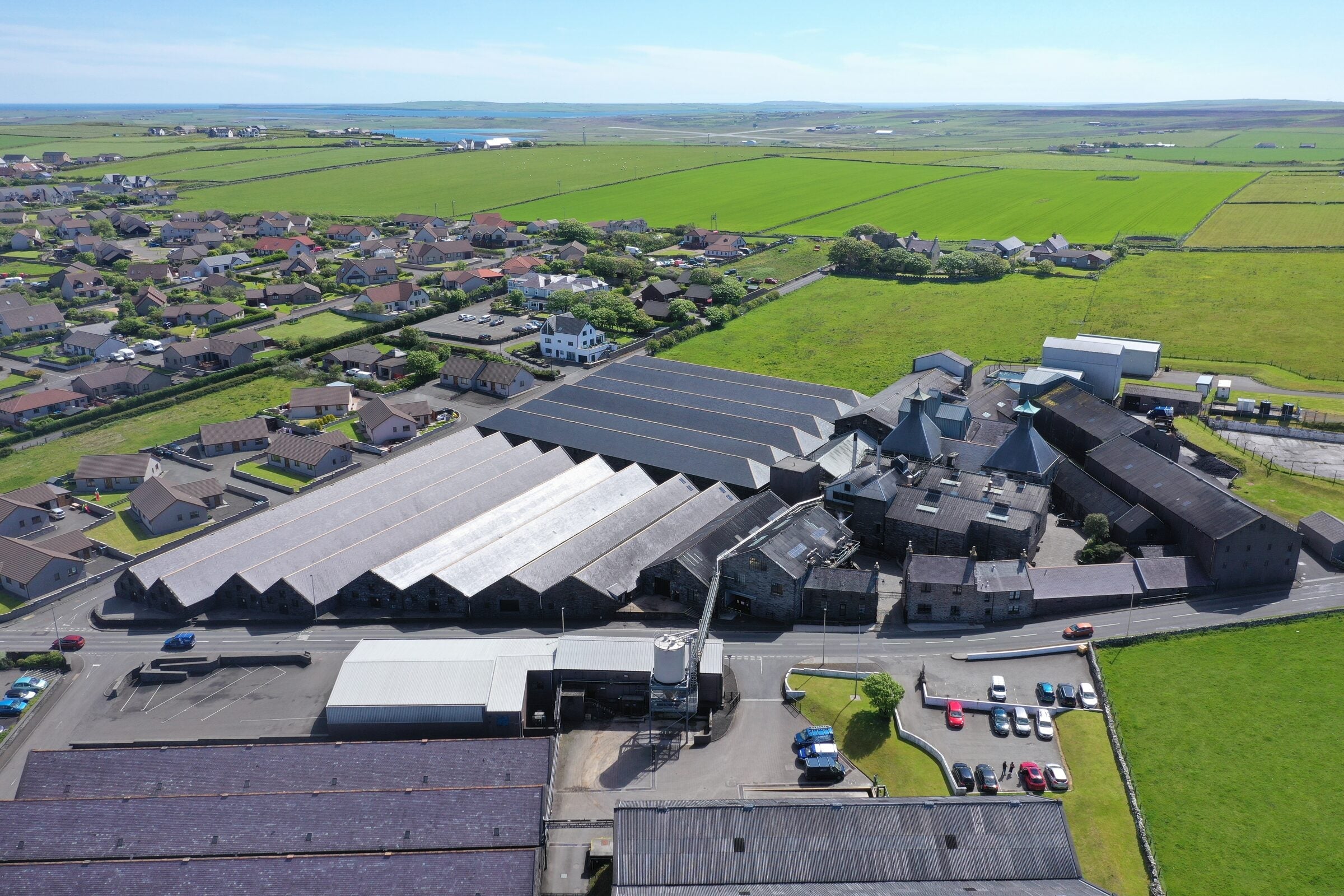
Highland Park Distillery: Orkney's Viking Malt and the Whisky That Hides Its Name
Floor maltings, heathery peat and sherry oak on an island the Vikings ruled for 600 years. The full Highland Park story, plus why independent bottlings never carry its name and what our own Whitlaw...
Read more


