
Article: InchDairnie Distillery: The Mash Filter Rewriting Lowland Rules
InchDairnie Distillery: The Mash Filter Rewriting Lowland Rules
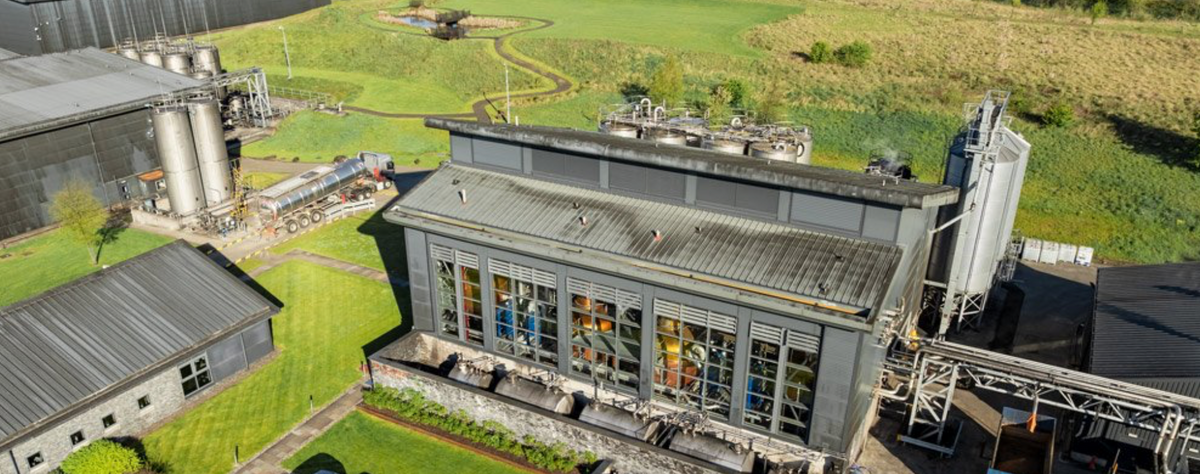
Most new Scotch distilleries lean hard on tradition: stone buildings, copper pot stills, centuries-old methods presented as proof of authenticity. InchDairnie went the other way. Founded in 2015 in Fife, it is one of only two Scotch distilleries using a mash filter instead of a traditional mash tun, the kind of production decision that gets argued over in brewing and distilling circles because it breaks with near-universal industry convention.
InchDairnie at a glance
| Region | Lowland (Glenrothes, Fife) |
| Founded | 2015, as John Fergus & Co |
| Founder | Ian Palmer |
| Site | Former John Fergus & Co mill site |
| Stills | 2 wash, 2 spirit |
| Distinctive feature | Mash filter and hammer mill instead of a traditional mash tun, shared with only Teaninich among Scotch distilleries |
| Other products | RyeLaw (pot-still rye whisky) |

History of InchDairnie
Ian Palmer, a whisky industry veteran, founded the distillery in 2015 under the name John Fergus & Co, building it on the site of the historic John Fergus & Co mill in Glenrothes, Fife. The distillery grew steadily through the rest of the decade, adding eight maturation warehouses between 2017 and 2019 and a dedicated blending facility, before buying almost 11 acres nearby at Osprey Road in 2022 to build a bonded warehouse. That is a distillery planning for scale from early on rather than staying a small craft operation. It is now working toward 4 million litres of alcohol a year, up from an initial 2 million, and has committed to switching from natural gas to 100% green hydrogen as part of that expansion.
InchDairnie released its rye whisky, RyeLaw, in April 2023, distilled in a traditional Scottish pot still rather than the column stills more often used for rye elsewhere and aged in new American oak. Its first two single malts followed in May 2025, which puts the distillery's own-name malt only a few years into the market even though the site has been running for a decade.
 How InchDairnie makes its whisky
The detail that sets InchDairnie apart from almost every other working Scotch distillery is its mash filter, paired with a hammer mill rather than the roller mills most distilleries use. Conventional Scotch production uses a mash tun, a large vessel where hot water and milled barley (grist) mix and the liquid wort drains off through a false bottom. InchDairnie presses the mash through a filter instead, a method borrowed from brewing, which the distillery says delivers a better yield from the same amount of barley. Teaninich is the only other Scotch distillery known to use the same approach, so InchDairnie's process is a rarity rather than a marketing flourish.

InchDairnie and independent bottlers
InchDairnie's single malt only reached the market in 2025, so there is no independent-bottler secondary market for it yet. Stock is too new and too limited for third-party releases to have developed. RyeLaw, released in 2023, is more likely to show up through specialist retailers in time, but both remain young releases from a distillery still establishing its own-name identity.
InchDairnie and The Single Cask
We don't hold an InchDairnie cask. Production under its own name is still very new. Our Glasgow (Peated) 6 Year Old (cask 18/470) is the closest Lowland comparison available right now: another modern Lowland distillery willing to break from the region's traditionally lighter style, even if the production methods differ.

Plan a bottling inspired by InchDairnie
InchDairnie built its whole production philosophy around doing things differently, which shows there is no single correct way to make whisky, including how a cask of it ends up in someone's hands. If you want a more direct route to a cask you can follow yourself, start with our whisky casks available page, or read about buying a whisky cask and the four steps to bottling your own whisky. For something under your own name, our private label whisky service covers that end to end. For more on Lowland and experimental Scotch distilleries, see our guides to Holyrood and Teaninich.
Cask ownership in Scotch whisky is not regulated the way the finished drink is. Standards of record-keeping, insurance and transparency vary a great deal between brokers, which is why we set out exactly what we do on our own site rather than asking you to take it on trust.
If you have questions about any of this, or about InchDairnie in particular, our contact page is the fastest way to reach us.
Frequently asked questions
What makes InchDairnie's production process unusual?
It uses a mash filter paired with a hammer mill instead of a traditional mash tun, a method shared with only Teaninich among Scotch distilleries.
When was InchDairnie founded?
2015, first registered as John Fergus & Co, on the site of the historic John Fergus & Co mill in Fife.
Does InchDairnie make anything besides single malt?
Yes. RyeLaw, a pot-still rye whisky released in April 2023.
Can I visit InchDairnie distillery?
InchDairnie has not run as a general visitor attraction, so check with the distillery directly before planning a trip.
When did InchDairnie release its first single malt?
May 2025, a decade after the distillery began operating.
Does The Single Cask sell an InchDairnie cask?
Not at the moment. Production under its own name is too new. We point customers toward our Glasgow (Peated) 6 Year Old as a comparable modern Lowland alternative.
Work with The Single Cask
Buy a whisky cask, bottle under your own label, or store casks in our HMRC approved bonded warehouse in Fife.
Read more
Roseisle Distillery: The £40 Million Giant Built to Stay Anonymous
Roseisle cost Diageo around £40 million to build in 2010, in what's usually called the largest malt distillery ever built in Scotland in one go, though not the largest by output. Its history, scale...
Read more


