
Roseisle Distillery: The £40 Million Giant Built to Stay Anonymous
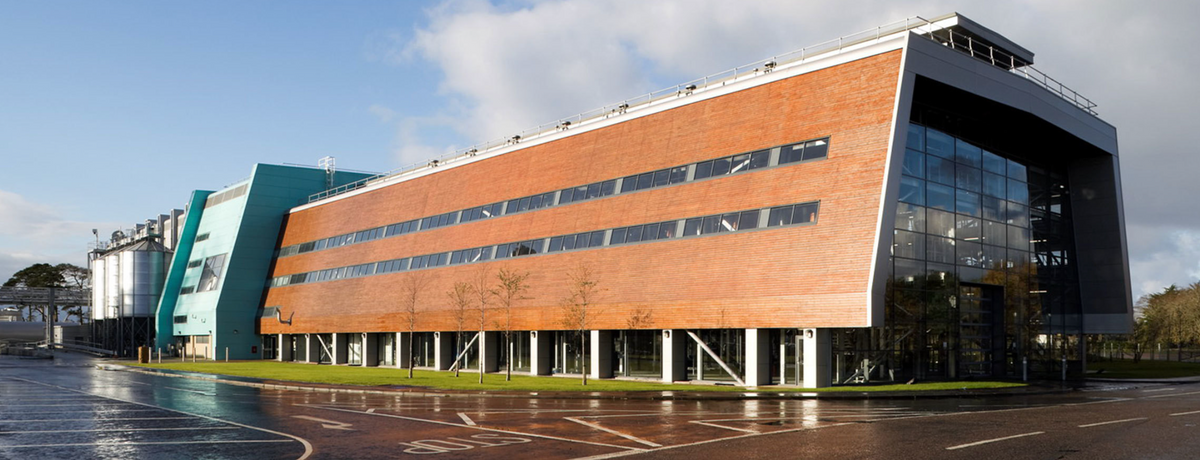
Roseisle is, by scale, one of the most significant distilleries built in Scotland this century, and for most of its working life it was never meant to have a public identity. Diageo built it in 2010 to feed blended whisky production, at a reported cost of around £40 million, in a single new development often described as the largest malt distillery ever built in Scotland. Thirteen years passed before Roseisle released a single malt under its own name.
Roseisle at a glance
| Region | Speyside (Moray coast, near Elgin) |
| Opened | 2010 (announced 2007) |
| Owner | Diageo |
| Cost | ~£40 million |
| Stills | 7 wash, 7 spirit |
| Capacity | 10,000,000 litres a year (smaller than Glenfiddich's malt distillery; Scotland's grain distilleries are far larger again) |
| First own-name release | 2023, as part of Diageo's Special Releases |
| Visitor access | No general public visitor centre |

History of Roseisle
Diageo announced plans for Roseisle in 2007, at the height of the industry's pre-financial-crisis expansion, and opened it in 2010 on the Moray coast near Elgin. Covering 3,000 square metres and built for around £40 million, it was designed, in Diageo's own words, to serve the company's blended whisky needs and nothing else. Nobody intended it to produce a single malt anyone would buy by name. That made Roseisle unusual even among industrial-scale distilleries, since most keep at least a token single malt identity for marketing, even when nearly all of their output goes into blends.
That changed gradually. Roseisle spirit began appearing as a named component in other releases, including Johnnie Walker Black Ruby in 2024, and in September 2023 Diageo unveiled the first single malt under the Roseisle name as part of its Special Releases programme. It remains an occasional, special-occasion release rather than a standing product line. Over a decade on, Roseisle's day job is still mostly blends.
 How Roseisle makes its whisky
Roseisle runs fourteen stills, seven wash and seven spirit, fed by borehole water, on a scale that dwarfs almost every other working Speyside distillery. The site won the Scottish Design Award in 2010 and two separate RICS Scotland awards the same year, for Sustainability Project of the Year and overall Project of the Year, reflecting a deliberate focus on efficiency and lower environmental impact. The distillery recycles several production byproducts on site rather than discarding them. This is industrial Scotch whisky production built for consistency and volume rather than the small-batch character most of this blog's guides describe, and that is what makes it worth understanding: it is the kind of distillery that quietly keeps mainstream blended whisky affordable and consistent.
 Roseisle and independent bottlers
Independent single-cask Roseisle is almost unheard of. Diageo built the distillery to keep its output inside the company's own blending supply chain, and the handful of own-name releases that exist have come through Diageo's Special Releases programme alone. There is no meaningful secondary trade in Roseisle casks of the kind you find for most Speyside names.
Roseisle and The Single Cask
We don't hold a Roseisle cask. Independent access to this one barely exists. If you are after a Speyside malt built for reliability and approachability rather than a dramatic flavour statement, our Mannochmore 10 Year Old (cask 12487) is a fair comparison: another Diageo-owned Speyside distillery historically built to support blends, and one whose stock we can trace back directly.

Plan a bottling inspired by Roseisle
Roseisle is a reminder that most Scotch whisky was never meant to be bottled under a distillery's own name. It exists to disappear into a blend. If you would rather follow a cask with your name on it, start with our whisky casks available page, or read about buying a whisky cask and the four steps to bottling your own whisky. For something under your own name, our private label whisky service covers that end to end. For more on Speyside's blending-focused distilleries, see our guides to Mannochmore and Glendullan.
We bottle whisky from casks we own ourselves, and we also supply casks to independent bottlers and to private customers who want a bottling under their own name. If you are an independent bottler looking for stock, or you have always wanted a cask of your own, talk to us about what we have in the warehouse. Where we don't hold the distillery featured in a guide, we say so rather than dress something else up as a substitute.
If you have questions about any of this, or about Roseisle in particular, our contact page is the fastest way to reach us.
Frequently asked questions
Is Roseisle the largest distillery in Scotland?
It's usually described that way, but the claim is about the scale of the build, not the size of what comes out of it. Roseisle is often called the largest malt distillery built in Scotland in a single new development, reflecting its £40 million construction cost and 3,000 square metre site. By annual capacity it's actually smaller than Glenfiddich's malt distillery, and Scotland's grain distilleries, which make a different style of whisky for blending, are far bigger again: Cameronbridge alone produces roughly fourteen times Roseisle's 10,000,000 litre capacity.
Can I visit Roseisle distillery?
No. It has no general public visitor centre, unlike several of Diageo's other Speyside and Highland sites.
Does Roseisle make a single malt?
Occasionally. The first own-name release came in September 2023 through Diageo's Special Releases programme, but it remains an occasional release rather than a standing product.
What is Roseisle mainly used for?
Blended whisky production. Diageo built it to serve its blends, and that remains its main purpose.
Does The Single Cask sell a Roseisle cask?
No. Independent access to Roseisle barely exists. We point customers toward our Mannochmore 10 Year Old as a comparable Speyside alternative.
Work with The Single Cask
Buy a whisky cask, bottle under your own label, or store casks in our HMRC approved bonded warehouse in Fife.
Read more
Holyrood Distillery: Edinburgh's First New Distillery in a Century
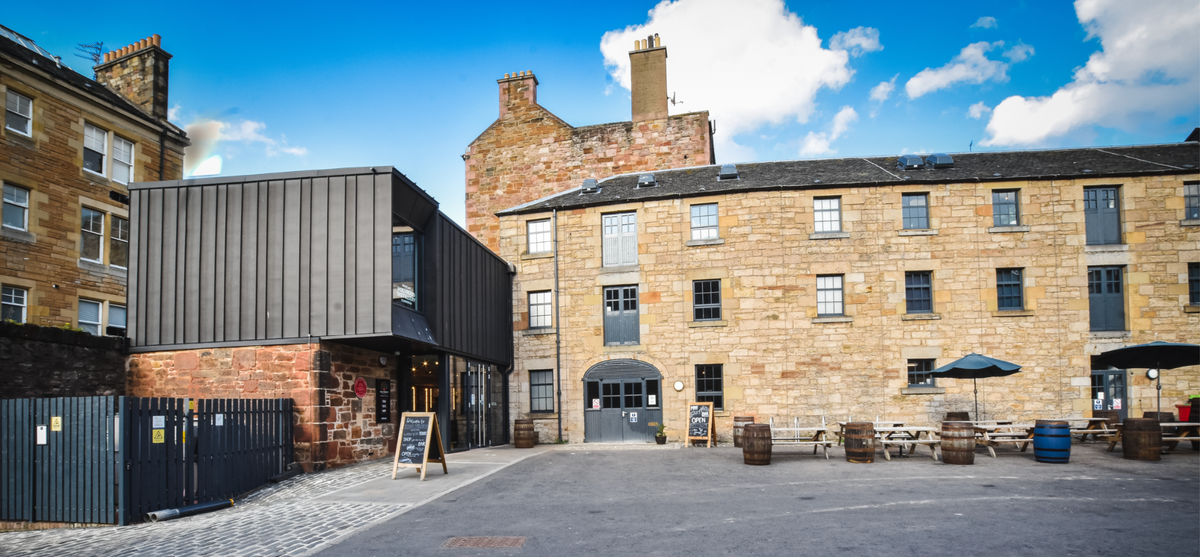
Holyrood opened in 2019 inside a former railway engine shed, the first new distillery built in Edinburgh in roughly a hundred years. History, its heirloom-barley experiments and how to find a flavo...
Read more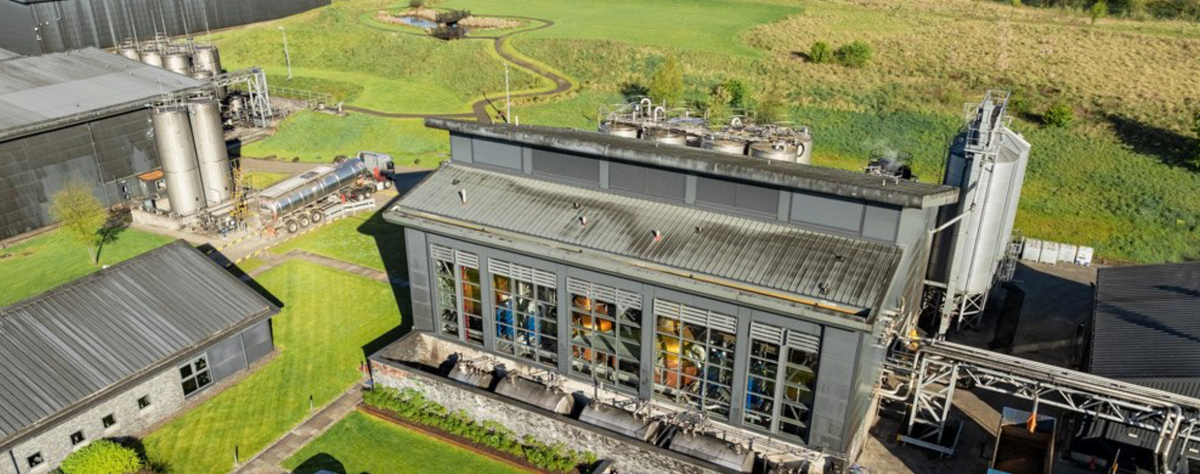
InchDairnie Distillery: The Mash Filter Rewriting Lowland Rules
InchDairnie is one of only two Scotch distilleries using a mash filter instead of a traditional mash tun. Founded 2015 in Fife, it also makes a pot-still rye. History, the production process and ho...
Read more


