
Article: OLA vs RLA: Understanding Whisky Cask Measurements Before You Buy
OLA vs RLA: Understanding Whisky Cask Measurements Before You Buy
If you have spent any time looking at cask paperwork, you will have run into OLA and RLA sooner or later. Two sets of initials, sitting quietly in a spec sheet, that quietly determine how much whisky you are actually buying. Nobody explains them particularly well, which is odd, because the idea behind them is simple once someone walks you through it properly.
So let's do that.
What OLA actually means
OLA stands for Original Litres of Alcohol. It is a single number, fixed at the moment new make spirit first goes into a cask, and it never changes. Multiply the volume of spirit filled by its strength at filling, and that figure becomes part of the cask's permanent record from day one.
Think of it as a birth certificate. It tells you what went in and when, but it tells you nothing about the whisky's condition today. A cask filled fifteen years ago has the same OLA now as it did the week it was filled, even though the liquid inside has changed considerably since then.
What RLA actually means
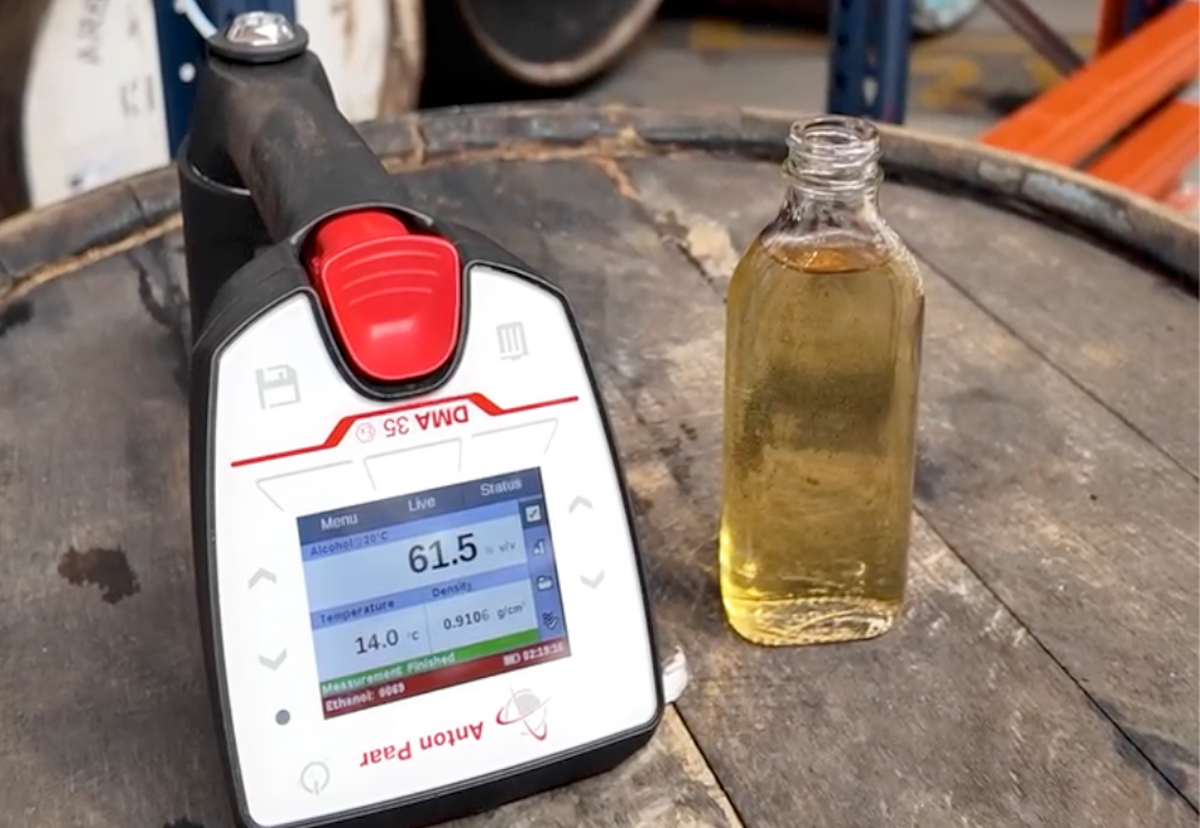
RLA stands for Regauged Litres of Alcohol, and this is the number that matters if you are buying a cask rather than simply reading about one. Unlike OLA, RLA is not fixed. It is recalculated periodically, using the cask's current volume and current strength, to reflect what is actually left inside it right now.
The formula itself is refreshingly plain: RLA = Bulk Litres × ABV%. Bulk litres is simply how much liquid is currently in the cask. ABV is its current strength. Multiply the two and you get the litres of pure alcohol actually present today, as opposed to what was present when the cask was filled.
Why the two numbers drift apart
Every cask loses volume and strength over time through evaporation, a natural process known as the angel's share. In Scotland's cool, humid climate, alcohol evaporates faster than water, so a maturing cask doesn't just get smaller, its ABV drops too. That's the reverse of what happens somewhere hot and dry like Kentucky, where water evaporates faster than alcohol and bourbon can actually gain strength in the barrel.
The effect in Scotland is usually reckoned at around 2% of cask volume lost per year, which sounds modest until you add it up. Over a ten-year maturation that's roughly 18 to 20% of the original volume gone. Over twenty-five years, closer to 40%. OLA never reflects any of that. RLA does, because it's remeasured against the cask as it actually stands.
This is why the two figures can look quite different on an older cask's paperwork, and why relying on OLA alone to judge what you're buying can be misleading once a cask has some age on it.
A simple worked example
Say a hogshead is filled with new make spirit at roughly 63.5% ABV, a typical filling strength, into a cask holding around 250 litres. At that moment, its OLA sits at somewhere in the region of 155 to 160 litres of pure alcohol. That number goes on the record and stays there permanently.
Wind the clock forward fifteen years. Evaporation has done its slow work, and a regauge is carried out. The cask might now hold around 200 bulk litres, at a reduced strength of, say, 54% ABV. Plug that into the formula: 200 litres × 54% gives an RLA of 108 litres of pure alcohol.
The OLA on file still reads somewhere around 155 to 160. The RLA reads 108. Same cask, two very different numbers, and only one of them tells you what's actually in the warehouse today.
If a cask is being offered to you on OLA alone and it's more than a few years old, ask for the current RLA before you go any further.
What a regauge actually involves
A regauge is simply an independent check-up on a cask's health, carried out by the bonded warehouse rather than the buyer or seller. It measures the current bulk litres and ABV, and from those two figures calculates the current RLA. It's a straightforward physical process, but it's the only reliable way to know what a cask genuinely contains at a given point in time, rather than relying on paperwork from years earlier.
How often this happens generally depends on the cask's age. Once a cask passes five years old, a regauge is typically carried out roughly every three years. Once it passes fifteen years old, that steps up to an annual check. Older casks lose condition faster in relative terms and are worth watching more closely, so the more frequent checks make sense.
There's a legal dimension here too, worth knowing about. Scotch whisky has to remain at a minimum of 40% ABV to legally be called Scotch. If a cask's ABV has drifted down below that threshold through years of evaporation, its contents can no longer legally be sold as Scotch whisky at all. It's a genuine, if fairly rare, risk with very old stock, and it's exactly the kind of thing a current regauge will flag before it becomes a problem for you rather than the seller.
Why this matters more with older stock
For a young cask, OLA and RLA tend to sit fairly close together, because there simply hasn't been time for much evaporation to occur. The gap only really opens up with age, which is precisely why buying a cask that's been maturing for fifteen, twenty or more years calls for extra care. As a rough rule of thumb in the trade, casks over around fifteen years old are typically bought and sold on an RLA basis rather than OLA, and that's not a technicality, it's the only number that reflects what you'd actually be paying for.
Buying on OLA for an old cask means potentially paying for alcohol that evaporated years ago. Buying on RLA means you're pricing the cask as it stands today, with a recent, verifiable figure behind it. It's worth asking directly when a regauge was last carried out, and treating a current one as a basic condition of any serious older-cask purchase, in the same way you'd expect a delivery order confirming legal title.
The short version
OLA tells you what went into the cask, once, a long time ago. RLA tells you what's in it now. For anything under a few years old the difference is small. For anything older, it can be substantial, and it's the figure you should be asking for before any serious conversation about price begins.
It isn't complicated once it's laid out plainly, it's just rarely explained that way. Every cask we hold in our bonded warehouse in Glenrothes carries a proper, current paper trail, RLA included, precisely so buyers aren't left guessing.
If you're weighing up a cask for your next bottling, or simply want the real numbers behind a specific one before you commit, get in touch with the team at The Single Cask, we're always happy to talk through current stock, honestly and in plain English, and point you towards our current single cask releases if you'd rather start with something already bottled.
Work with The Single Cask
Buy a whisky cask, bottle under your own label, or store casks in our HMRC approved bonded warehouse in Fife.
Read more
How to Buy a Whisky Cask the Right Way in 2027 (What's Changed)
A current, practical guide to buying a whisky cask in 2027 — including the March 2025 rule change most older guides still get wrong.
Read more


Leave a comment
This site is protected by hCaptcha and the hCaptcha Privacy Policy and Terms of Service apply.