
How to Buy a Whisky Cask the Right Way in 2027 (What's Changed)
If you've read a "how to buy a whisky cask" guide in the last couple of years, there's a decent chance it's already out of date. Not wrong on the basics, casks, warehouses, provenance, all still true. But wrong on one specific point that trips up a lot of first-time buyers: whether you, personally, need to register with HMRC before you can own one. As of March 2025, you don't. That single change has quietly rewritten the opening chapter of every older guide still circulating online.
So let's start there, then walk through what buying a cask involves in 2027, properly, without the noise.
The rule change most guides still haven't caught up with
Until March 2025, the Warehousekeepers and Owners of Warehoused Goods Regulations (WOWGR) required two separate registrations with HMRC: one for the bonded warehouse holding the cask, and a second, individual one for the private owner of that cask. It was a genuine barrier for first-time buyers, paperwork disproportionate to owning a single barrel of maturing spirit, and a step plenty of people found confusing or off-putting.
That owner-registration requirement was abolished in the March 2025 reform. Warehousekeepers still have to register with HMRC, as you'd expect for anyone running a bonded warehouse. But private individuals buying a cask no longer need to register themselves. If you're reading an article that still tells you to sort out your own WOWGR registration before buying, it was written before the change and hasn't been updated since, which is worth knowing, because it's usually a sign the rest of the content might be dated too.
This doesn't mean cask buying is now unregulated. It means one specific administrative hurdle for individual owners has gone. The warehouse itself is still HMRC-approved, duty is still suspended until the whisky leaves bond, and everything else below still applies.
Start with the seller, not the cask
It's tempting to go looking for the "right" distillery or the most interesting cask type first. Start one step earlier: who are you buying from? A cask is only as trustworthy as the seller standing behind it, and the whisky sector has had a genuine problem with opaque investment schemes over the last few years, enough that City of London Police, Action Fraud and the Advertising Standards Authority issued a joint warning about it in December 2023.
The pattern worth watching for is consistent: guaranteed or inflated return promises, an inability to verify the cask directly with the warehouse holding it, prices well above what similar casks are genuinely worth, and brokers who keep "ownership" tied up in a trust or bailment structure rather than putting your name on a proper delivery order. None of that describes most legitimate sellers. But it's exactly why the next section matters more than anything else in this guide.
Provenance: what you should be able to verify
Before you commit to anything, you should be able to independently confirm the distillery, the distillation date, the cask type and reference number, and the specific bonded warehouse where it's maturing. A genuine seller won't hesitate to give you that information, and a genuine warehouse will confirm it if you ask.
This is also where it's worth checking whether the cask sits in an HMRC-approved Scottish bonded warehouse, maturation has to happen there for the contents to legally remain Scotch, and it's a basic, checkable fact rather than a matter of trust. If you can, visiting the warehouse in person is the clearest way to see the cask for yourself: that it exists, it's yours, and it's being properly looked after.
The delivery order is what proves you own it
This is the part first-time buyers most often get wrong, because it seems like a formality. A sales receipt or a signed contract with the seller feels like proof of ownership. It isn't, on its own. The document that actually transfers legal title to a cask is the delivery order, signed by the buyer, the seller, and, critically, the warehousekeeper holding the cask. Without that third signature acknowledging the transfer, the warehouse's own records don't show you as the owner, whatever your paperwork with the seller says.
Keep both: the receipt from your purchase, and the warehousekeeper's acknowledgment of the transfer. Together, they're your proof of title. Either one alone is incomplete.
OLA and RLA, briefly
You'll come across two abbreviations early on: OLA (Original Litres of Alcohol, measured when the spirit first goes into the cask) and RLA (Regauged Litres of Alcohol, recalculated after maturation losses via an independent regauge). In short, RLA is what the cask contains today, after years of evaporation, commonly called the angel's share, have done their work. Casks over roughly 15 years old are typically bought and sold on an RLA basis rather than the original fill figure, because so much has changed since day one.
A proper regauge should happen roughly every three years once a cask passes five years old, and annually once it's past fifteen. It's worth asking any seller when the cask was last regauged, and asking to see the result. We'll cover OLA and RLA properly, with worked examples, later in this series, for now, just know the terms and what they roughly mean.
Setting realistic expectations
Cask ownership is rewarding when you go in with the right expectations. Angel's share evaporation in Scotland runs at roughly 2 to 5% of volume a year, because Scotland's cool, humid climate means alcohol evaporates faster than water, ABV drifts downward over time, the reverse of what happens in a hot climate like Kentucky. Left long enough, a cask's ABV can regauge below the 40% legal minimum for Scotch, at which point the contents can no longer be sold as Scotch whisky at all. That's a real constraint, not a scare story, and it's one more reason regular regauging matters.
There is no regulated market or open trading exchange for whisky casks, and the secondary market sits outside FCA oversight, a fact the Scotch Whisky Association states plainly in its own guidance to buyers. That doesn't make cask ownership a bad idea. It makes it an asset you should buy with your eyes open, for reasons that make sense on their own terms: because you want to bottle it one day, build a brand around it, mark an occasion, or own something singular that no one else can ever recreate. We'd steer well clear of anyone selling a cask primarily on the promise of a guaranteed return, that's not how casks work, and it's not how we talk about them either.
For the fullest picture, the SWA's own cask investment guidance is worth reading directly. It's a thorough buyer checklist, and covers verification, contractual restrictions on resale or bottling, and the absence of a formal trading exchange in more depth than any single article can.
What buying a cask involves, start to finish
Once you've chosen a seller you trust, the practical steps are straightforward: agree the cask and price, verify the details independently with the warehouse, complete the delivery order with all three signatures, and keep both that and your receipt safe. From there, the cask is yours, sitting quietly in bond, maturing, until you decide what to do with it. Some owners hold a cask for years before touching it. Others come to us within months, ready to talk about choosing and buying a cask for a specific bottling project. Both are completely normal.
If you'd like to see how a genuine single-cask release comes together once a cask is ready, provenance checked, character assessed, nothing added or taken away, it's worth a look at how our Taste Masters decide whether a cask is ready to stand on its own.
Looking for a cask for your own bottling, or just want a straight answer about what's currently available in Glenrothes? Get in touch with the team, we'll talk you through current stock, what to check before you commit, and whether a particular cask suits what you have in mind.
Work with The Single Cask
Buy a whisky cask, bottle under your own label, or store casks in our HMRC approved bonded warehouse in Fife.
Read more
Whisky Cask Broker vs Buying Direct From a Distillery: What's the Difference?
Buying a whisky cask direct from a distillery or through a broker? Here's what actually changes, access, trust, price and support and how to choose.
Read more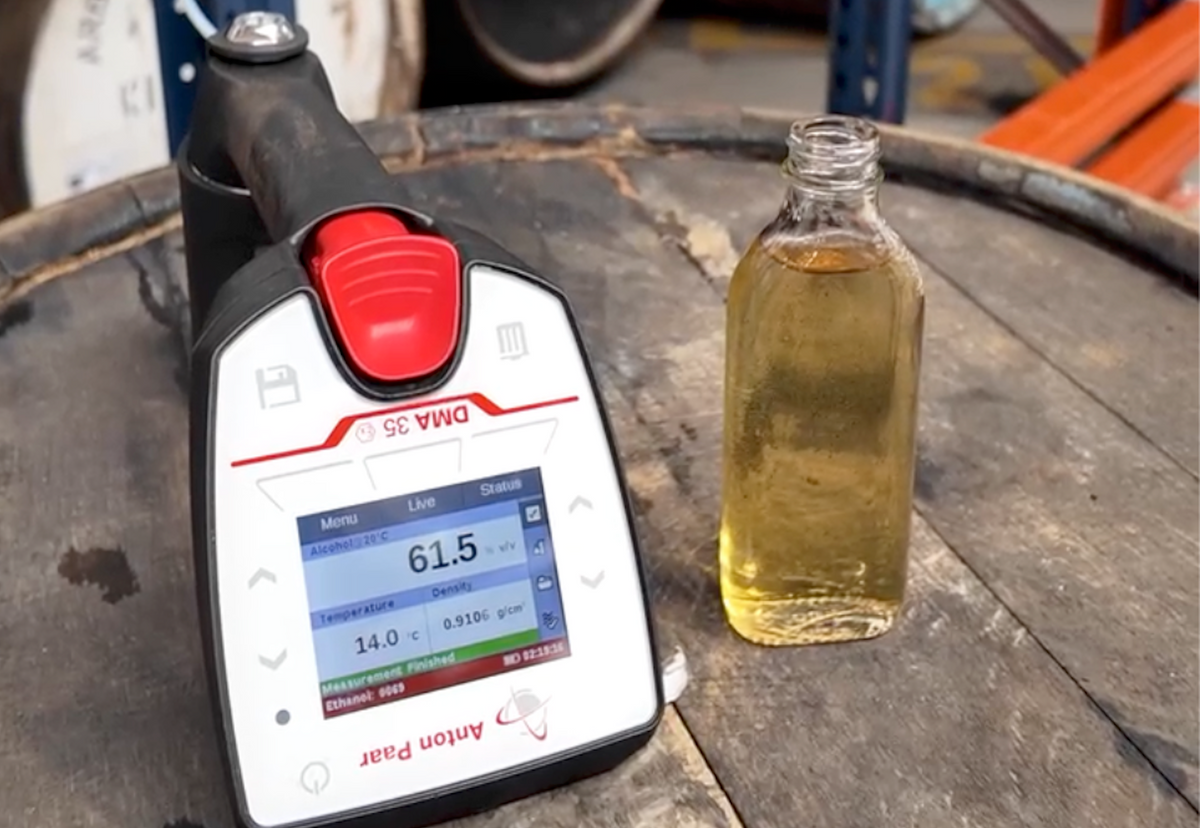
OLA vs RLA: Understanding Whisky Cask Measurements Before You Buy
OLA and RLA are two of the most confusing terms in cask buying. Here's what they mean, how a regauge works, and why it matters before you buy.
Read more


Leave a comment
This site is protected by hCaptcha and the hCaptcha Privacy Policy and Terms of Service apply.