
Whisky Cask Broker vs Buying Direct From a Distillery: What's the Difference?
Ask most people how you buy a whisky cask and they will picture something quite simple: you turn up at a distillery, strike a deal, and walk out as the owner of a cask. It does still happen that way, occasionally. But for the vast majority of buyers today, the real route runs through a broker or an independent bottler, and the reasons why are worth understanding before you commit any money.
Neither route is wrong. Both are legitimate ways into cask ownership. But they are different experiences, with different trade-offs around access, trust, price and what happens after you've bought. Here's how they compare.
Can You Still Buy a Cask Direct From a Distillery?
Sometimes, yes. A handful of distilleries still sell casks directly to private buyers, usually through a formal cask ownership programme with its own paperwork and terms. If you can get in, buying direct has an obvious appeal: no intermediary, a direct relationship with the people who made the spirit, and the reassurance of dealing with a named, well-known distillery.
But direct access has been narrowing. Some of the larger, better-known distilleries have tightened or closed their direct-sale programmes in recent years, preferring to hold more of their own stock back for their own bottlings rather than release it to private buyers or independent bottlers. It's a trend worth being upfront about rather than pretending it isn't happening. Distilleries are, understandably, protective of their spirit once demand for it grows. The practical effect is that direct-from-distillery has become a smaller slice of how casks change hands, not the default route it once was.
Why Most Buyers End Up Going Through a Broker or Independent Bottler
With direct access limited to a handful of distilleries, most buyers today reach cask ownership through a broker or an independent bottler instead. Independent bottlers source casks the same way, sometimes directly from a distillery, more often through a broker relationship built up over years, and then hold, mature and eventually bottle that stock themselves.
This isn't a workaround or a lesser option. It's how the market for interesting, well-chosen casks works now. A good broker or independent bottler has relationships across dozens of distilleries, built over years of buying, tasting and returning. That network is difficult for an individual buyer to replicate from scratch, and it's the main practical advantage this route offers.
What Changes Between the Two Routes
Access: One Distillery vs a Whole Range
Buying direct means choosing from whatever one distillery happens to be releasing at the time, if they're releasing anything at all. Go through a broker or independent bottler and you're choosing from a much wider spread: different distilleries, regions, cask types and ages, all assessed against each other rather than against a single house style. If you know exactly which distillery you want and nothing else will do, direct is the more targeted route. If you're choosing based on flavour, character or budget, a broader range gives you more to compare.
Trust and Verification: Who Are You Dealing With?
This is the part that matters most, whichever route you take. A distillery's own name carries obvious credibility, but a direct relationship doesn't automatically mean better protection; the paperwork still has to be right. Whichever route you choose, the same basic checks apply: verify the distillery, distillation year and cask reference number independently, and make sure the deal completes with a proper delivery order: signed by buyer, seller and the warehousekeeper holding the cask, not just a sales receipt or contract. A receipt alone doesn't transfer legal title; the warehousekeeper's acknowledgment does.
It's also worth knowing that the secondary cask market isn't regulated by the FCA, and there's no Financial Services Compensation Scheme cover if something goes wrong, regardless of whether you bought from a distillery, a broker or an independent bottler. That's the nature of this market, and it's a good reason to deal with people who have a track record and a real, visitable warehouse behind them, not a reason to avoid cask ownership altogether. The Scotch Whisky Association publishes cask investment guidance that's worth reading before any purchase, whichever route you're weighing up.
Price Transparency: Fewer Surprises When There's Something to Compare
A single distillery selling direct sets its own price, and as a buyer you have little to benchmark it against. Brokers and independent bottlers who handle casks across many distilleries tend to build a clearer sense of what a given age, cask type and distillery reputation is worth in the current market, because they're pricing multiple casks against each other every month rather than one distillery's stock in isolation. Prices still vary enormously, from a few thousand pounds for younger stock to significantly more for rare, mature casks, but a broker with genuine breadth across the market is generally better placed to tell you whether a specific asking price is reasonable.
Ongoing Support: A Relationship, Not Just a Transaction
This is the difference that tends to matter most once the paperwork is signed. A cask needs a bonded warehouse to mature in for years, sometimes decades. It needs periodic health checks, a regauge roughly every three years once it passes five years old, and annually beyond fifteen, to track ABV and volume as the angel's share does its work. Somewhere down the line you'll want advice on when it's ready, what your options are for bottling, and whether it's time to sell it on.
Buying direct from a distillery is often, in practice, closer to a one-off transaction. You buy the cask, and from there you're largely managing it yourself. Going through an independent bottler tends to mean an ongoing relationship: someone who already knows your cask, has tasted it, and can talk you through what it's doing over the years, not just at the point of sale.
Neither route is right or wrong. It depends on what you value most: a direct line to one distillery's name, or a broader range with someone in your corner for the years the cask spends maturing.
What This Looks Like at The Single Cask
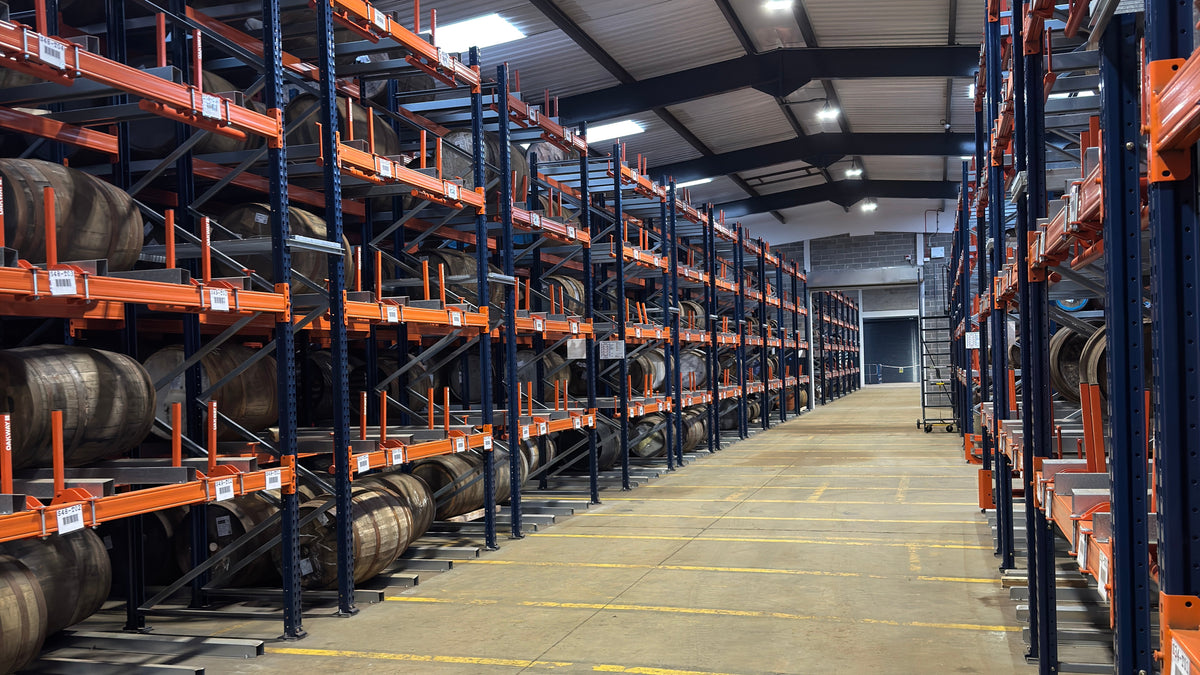
We work as both a broker and an independent bottler, which means we're sourcing across a range of distilleries rather than tied to just one, and every cask that comes through our Glenrothes bonded warehouse is looked after for as long as it's with us. Our Taste Masters assess casks on genuine character, not just age or name recognition, and if you ever want to see yours in person, the warehouse is there to visit. It's a model built around the relationship continuing well past the purchase date, not ending there.
If you're weighing up your own options for buying a cask, the honest answer is that both routes can work; it comes down to what matters more to you: dealing with one distillery directly, or having a wider range and someone who stays involved for the long haul. Have a look at buying a cask with us, and if you're already thinking about a particular bottling, get in touch with the team about current stock; we're always happy to talk through what's available and what would suit what you're after.
Work with The Single Cask
Buy a whisky cask, bottle under your own label, or store casks in our HMRC approved bonded warehouse in Fife.
Read more
From Cask to Glass: The Business of Independent Bottling
How an independent bottler like The Single Cask takes a whisky cask from acquisition to bottle — and how to buy, sell or private-label your own.
Read more
How to Buy a Whisky Cask the Right Way in 2027 (What's Changed)
A current, practical guide to buying a whisky cask in 2027 — including the March 2025 rule change most older guides still get wrong.
Read more


Leave a comment
This site is protected by hCaptcha and the hCaptcha Privacy Policy and Terms of Service apply.