
How to Avoid Whisky Cask Scams: A Buyer's Due Diligence Checklist
Whisky cask ownership has had a lot of press over the last few years, and not much of it good. Stories about inflated prices, promised returns that never arrive and companies that disappear with a customer's money keep coming up, and anyone researching a cask purchase will find them within a few searches. That coverage is doing buyers a favour, even if it reads as alarming, because almost every problem it describes can be checked before money changes hands.
This is a practical checklist, not a scare story. We sell whisky by the bottle from casks we own and hold in our own HMRC approved bonded warehouse in Glenrothes, Fife, and we also supply casks to independent bottlers and private customers. We have nothing to gain from making the market look more dangerous than it is, but we do think buyers should know what to check, whoever they end up buying from.

Start with ownership, not promises
The most basic question is also the one some sellers prefer not to answer directly: does the warehouse itself record you as the owner of that cask? A certificate issued by the company you bought from is not the same thing as a delivery order recognised by the bonded warehouse holding the stock. Ask which warehouse holds the cask, ask for its warehouse keeper's details, and ask to see the delivery order or equivalent record in your name. A seller who cannot produce this, or who becomes vague when asked, has told you something important.
Check the price against something real
There is no public price database for whisky casks, which makes overpricing easy to hide. Ask for the cask's bulk litres and its OLA or RLA (the actual litres of pure alcohol it holds, which is what the whisky is really priced on, not a round number of bottles). Divide the asking price by a realistic future bottle count and compare that per bottle figure against what similar bottlings from similar distilleries actually sell for at retail. If a young, unremarkable cask is priced like a rare one, or if it is bundled with a more desirable cask to make the overall number look better, treat that as a reason to ask more questions rather than a reason to move faster.
Read the contract before you read the brochure
Brochures and sales calls describe the opportunity. Contracts describe what you actually agreed to. Look specifically for bottling restrictions that limit when and how you can have the cask bottled, and for any clause that gives the seller a cut of your eventual sale or bottling proceeds. Standard storage and insurance costs are normal and should be disclosed upfront, not discovered later.
Be sceptical of guaranteed returns
Cask ownership is not a regulated investment, and nobody can promise what a cask will be worth when it comes out of bond. Whisky value can move in either direction, and a return only exists once a cask or its bottles are actually sold, not while a number sits on a spreadsheet. Treat any projection that reads as a guaranteed annual percentage, rather than a possibility based on past market behaviour, as a sign to look elsewhere.
Check who you are actually dealing with
A UK registered company with a stable history is easier to hold to account than one that has changed its name recently or operates from overseas with no clear UK presence. A quick Companies House search shows how long a company has existed and under what name. It is also worth searching the company name and the names of its directors alongside the obvious words, since problems with a company often surface in forum posts and news coverage long before they reach a regulator.
Ask who else they supply
A seller who regularly supplies independent bottlers, not just private buyers, has a different kind of accountability, because bottlers who return again and again are not going to accept inflated prices or vague paperwork the way a first time private buyer might. It is a fair question to ask a cask seller directly: do you supply independent bottlers as well as private customers, and do you charge both at a similar rate for similar stock? A straight answer is reassuring. A reluctance to answer is not.
What a genuine seller should be able to show you
None of this is complicated once you know to ask. A legitimate seller should be able to tell you which bonded warehouse holds your cask, give you a delivery order or equivalent proof of ownership, quote bulk litres and OLA or RLA rather than just a bottle count, show a contract with no hidden profit share, and talk plainly about the fact that cask values can fall as well as rise. We can do all of that from our own warehouse in Glenrothes, and if you are weighing up a cask from us or from anyone else, it is worth holding every seller to the same standard.
If you are ready to look further
If you want to see what a straightforward cask purchase looks like, our whisky casks available page lists what we currently hold, and buying a whisky cask covers the practical side of a purchase from us. If you already own a cask and want to understand your options, our guide to cask sizes and types is a useful starting point, and our contact page is the fastest way to ask us anything directly, including questions about a cask you are considering buying elsewhere.
Frequently asked questions
Is whisky cask ownership regulated?
No. Buying a whisky cask is not a regulated financial product, so the consumer protections that apply to regulated investments do not apply here. That makes independent checks on ownership, pricing and the seller's background more important, not less.
What is a delivery order and why does it matter?
A delivery order is the bonded warehouse's own record of who owns a cask. It matters more than a certificate from the selling company, because the warehouse, not the seller, is who actually controls the stock.
What do OLA and RLA mean?
Original Litres of Alcohol and Regauged Litres of Alcohol. They describe the actual pure alcohol content of a cask, which is what a fair price should be based on, rather than an estimated bottle count.
Can a whisky cask lose value?
Yes. Cask values can move in either direction depending on the distillery, cask condition, market demand and how long it has been maturing. Nobody can guarantee a cask's future value.
How do I check if a whisky cask company is legitimate?
Search the company on Companies House for its registration history and any past name changes, search the company and director names alongside terms that would surface complaints, and ask directly which bonded warehouse holds the stock and whether you can see a delivery order in your name.
Does The Single Cask only sell to private buyers?
No. We sell bottled whisky from casks we own, and we also supply casks to independent bottlers and private customers who want their own bottling, from our own bonded warehouse in Glenrothes, Fife.
Work with The Single Cask
Buy a whisky cask, bottle under your own label, or store casks in our HMRC approved bonded warehouse in Fife.
Read more
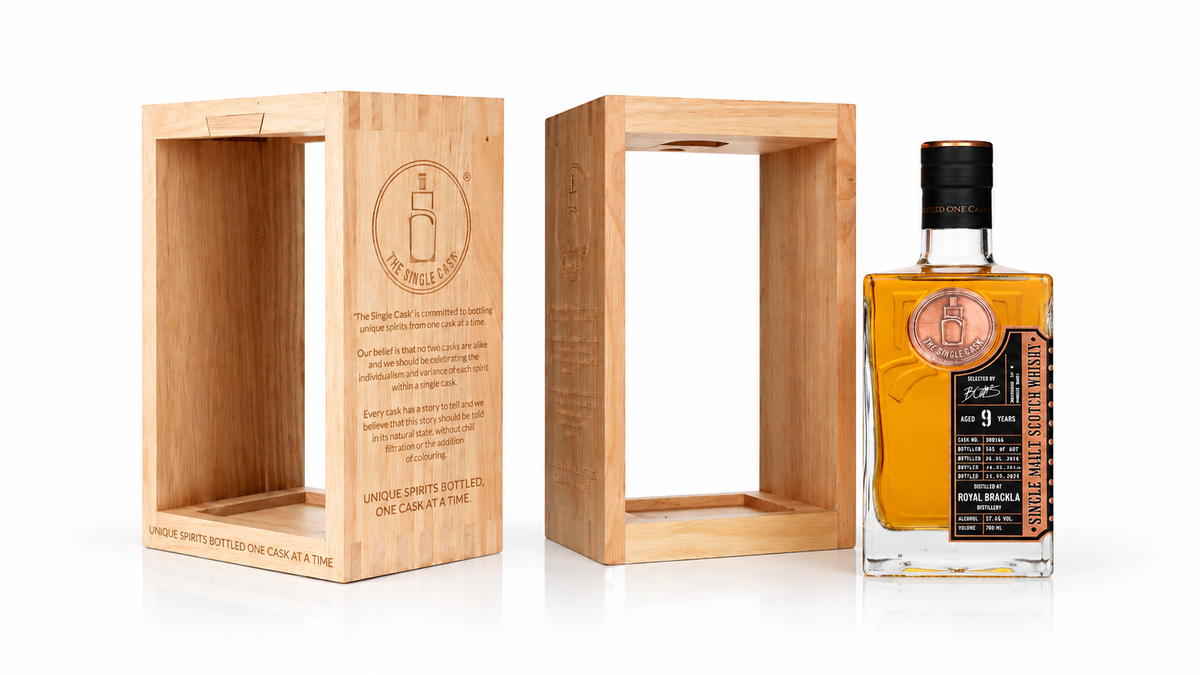
Less Packaging, Same Whisky: Why We Are Removing the Wooden Box
We’re removing the wooden boxes from our Signature Series bottles. It takes us back to how The Single Cask started, one cask at a time, limited bottles, and the focus firmly on the whisky. Less pac...
Read more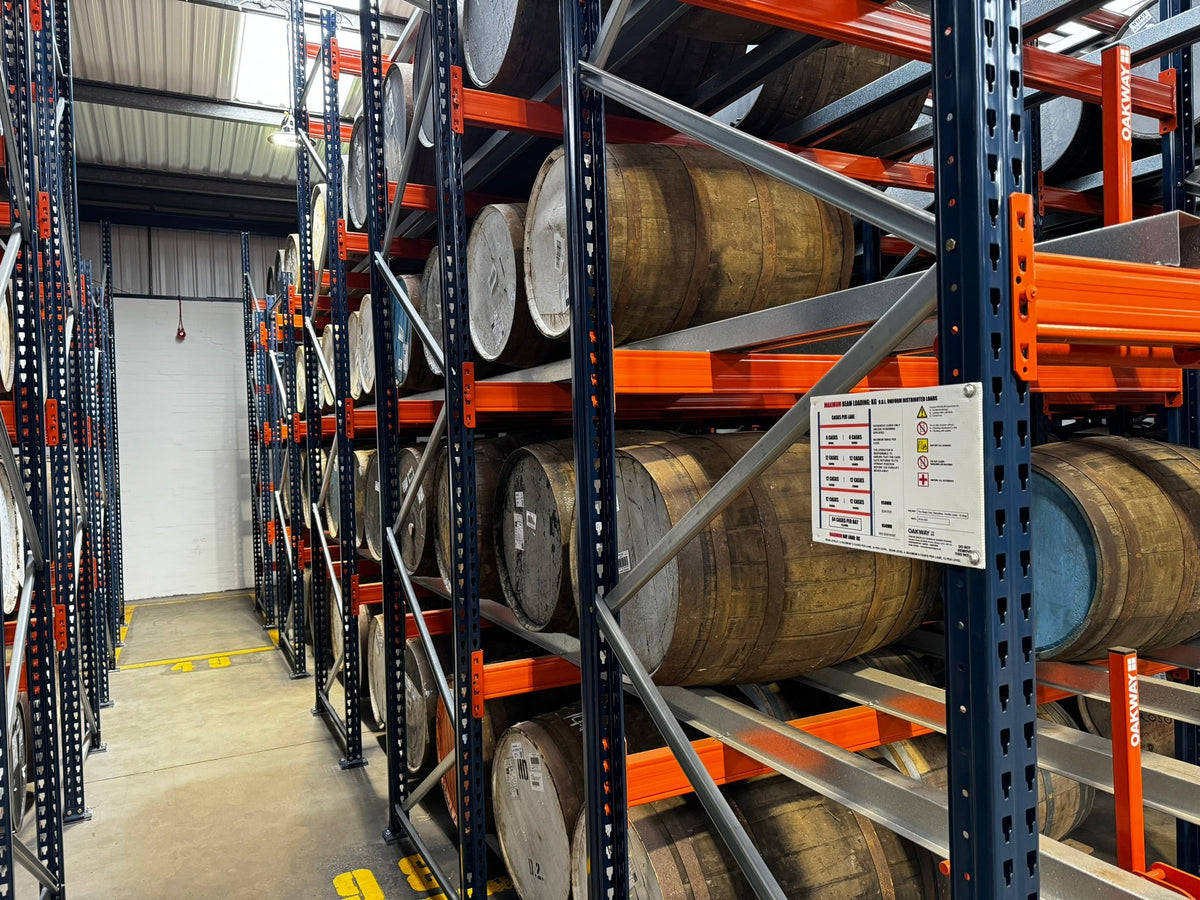
Whisky Cask Broker or Independent Bottler? How to Choose
A cask broker arranges sales of casks. An independent bottler matures and bottles whisky. Here is how they differ, which suits you, and what to ask before you pay.
Read more


Leave a comment
This site is protected by hCaptcha and the hCaptcha Privacy Policy and Terms of Service apply.