
Article: Annandale Distillery: Closed by Johnnie Walker, Rebuilt From a Ruin on the Border
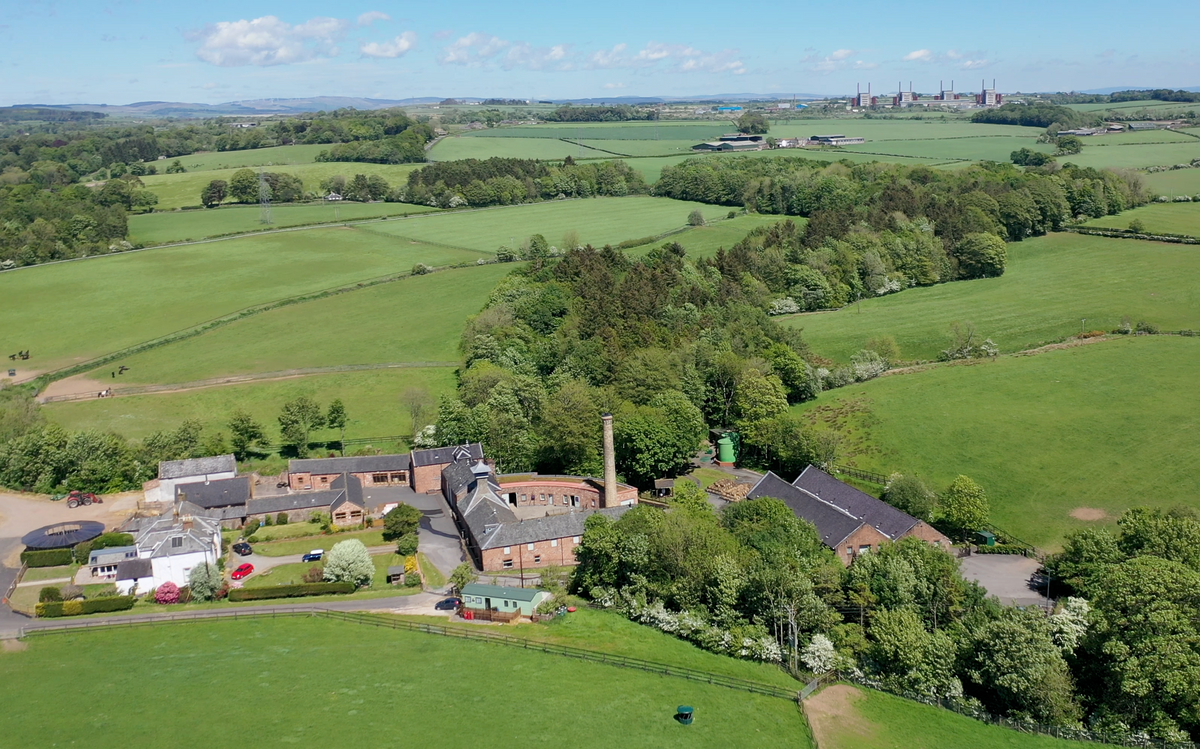
Annandale Distillery: Closed by Johnnie Walker, Rebuilt From a Ruin on the Border
Annandale is one of the few Scotch distilleries that can point to a death certificate. It opened in 1830, grew through the Victorian whisky boom, was swallowed by Johnnie Walker and Sons, then shut its doors in 1921 and sat idle for more than eighty years. When it reopened in 2014 it did so almost entirely from scratch, rebuilt by a husband and wife team who had never run a distillery before.
That gap, and the way it was closed, shapes almost everything about how Annandale talks about itself today. This guide covers where the distillery came from, how its whisky is made, what the two house styles taste like, and what the picture looks like for anyone trying to get hold of a cask, whether that is a private buyer or a trade customer.
Annandale at a glance
| Region | Lowland (Annan, Dumfries and Galloway) |
| Founded | 1830, by George Donald, a former excise officer |
| Closed | 1921, after being bought by John Walker and Sons |
| Reopened | November 2014, after a seven year, £10.5 million rebuild |
| Owner | Annandale Distillery Company, founded by Professor David Thomson and Teresa Church |
| Capacity | Around 260,000 litres of pure alcohol a year |
| Stills | 1 wash still, 2 spirit stills, built to maximise copper contact |
| Water source | The distillery's own borehole, drawing on the same ground that once fed the Middleby Burn |
| Style | Two house styles: Man o' Words, unpeated, and Man o' Sword, peated |
| Visitor centre | Yes, with tours, tastings and The Maltings coffee shop on site |
| Cask ownership | Annandale runs its own cask purchase scheme for private buyers, and a private cask owners' club |

History of Annandale
George Donald built Annandale in 1830, a few miles from the town of Annan and close enough to the border that the English market was never far from anyone's mind. Donald was a former excise officer, which in the whisky trade of the 1830s was not unusual. Knowing how the taxman thought was a genuine advantage for a distiller.
The business passed through a couple of owners before John Walker and Sons bought it outright in 1896. For Walker's the appeal was straightforward: a steady supply of Lowland malt to go into the blend that would become Johnnie Walker. That arrangement lasted until 1921, when Walker's decided they no longer needed Annandale's output and closed the distillery down.
What happened next is the part of the story most distillery guides skip over. The Robinson family took on the site and turned it into a works for Provost porridge oats, and for years afterwards the old distillery buildings were used for little more than grain storage and housing cattle. By the time anyone thought seriously about whisky there again, the site had been derelict in all but name for decades.
That changed in 2007, when Professor David Thomson and his wife Teresa Church bought the site. Neither had a background in distilling. Thomson had made his money in engineering recruitment, and the couple's connection to whisky was personal rather than professional before this point. What followed was a seven year restoration costing around £10.5 million, much of it spent simply making the old buildings safe and usable again before a drop of spirit could be made. Annandale distilled its first new cask in November 2014, ninety three years after Walker's had closed it.

How Annandale makes its whisky
Annandale runs one wash still and two spirit stills, commissioned specifically to maximise copper contact and strip out sulphur compounds during distillation. The aim, according to Thomson, was a smoother and more fruit led new make spirit than a conventional set up might give, and the distillery has stuck with that equipment since day one rather than chasing a bigger, faster set up as volumes grew.
Fermentation is long by industry standards, running anywhere from 66 to 96 hours in Douglas fir washbacks, which gives the yeast far more time to develop the fruity esters that both house styles lean on. Process water comes from the distillery's own borehole, on the same ground that supplied the original Middleby Burn water source back in 1830. Annual capacity sits at around 260,000 litres of pure alcohol, modest by the standards of the big Speyside and Highland operations but entirely deliberate for a distillery built around single cask bottling rather than blending volume.
Maturation leans on American oak, with both fresh fill and more mature cask options offered to private buyers depending on what they are looking for. The distillery bottles exclusively from single casks rather than batching multiple barrels together, and Annandale's own tasting panel assesses every cask individually before deciding whether it is ready for release. The late Dr Jim Swan, well known across the industry for his cask selection work, chose a number of Annandale's original casks before his death in 2017, and that early groundwork still shapes some of what comes out of the warehouse today.

What does Annandale taste like?
Annandale makes two single malts from the same stills, split by whether the barley is peated, and named after two very different Roberts with a claim on the area's history. Man o' Words is the unpeated expression, named for Robert Burns, who once worked nearby as an exciseman. Matured mainly in fresh ex-bourbon casks, it tends toward crisp apple and pear, with a creamy vanilla finish that sits closer to a classic Lowland profile than anything smoky.
Man o' Sword is the peated counterpart, named for Robert the Bruce, whose family held the title Lord of Annandale long before anyone distilled whisky there. It carries woodsmoke as expected, but independent tasters have consistently picked out floral and spice notes underneath that most peated whisky does not bother with, which is part of why Annandale gets described as doing something slightly different with peat rather than simply adding it for effect.
A good illustration of how the whisky ages comes from outside the distillery's own bottlings. The Whisky Barrel released a 6 year old Annandale from a first fill oloroso sherry butt at 59.7% ABV, and reviewers found toffee apple, burnt rubber and bonfire smoke on the nose, with liquorice, dark chocolate, oak and espresso running through the palate. That is a lot of complexity for a six year old spirit, and it points to cask selection doing real work here rather than age alone carrying the whisky.
Annandale and independent bottlers
Annandale is more open to third party involvement than a lot of younger distilleries. The company runs its own cask purchase scheme, which it describes as Scotland's most inclusive and exclusive private cask owners' club, an odd pairing of words that is really just marketing shorthand for a scheme built for individual buyers rather than trade volume. Casks typically yield 200 to 250 bottles, bottling costs around £7 a bottle plus VAT, and owners can transfer, sell through a broker, send a cask to auction, or ask Annandale to buy it back at the original purchase price.
What matters more for trade buyers is that genuine independent bottlings of mature Annandale already exist in the market. Cadenhead's and A.D. Rattray have both released single cask Annandale under their own labels, and The Whisky Barrel's sherry butt release mentioned above is another example. That is a meaningfully different position from a distillery whose stock never leaves the building, and it means an independent bottler asking around the trade for Annandale has a reasonable chance of finding something, even if supply is not deep.
The Single Cask and Annandale
We do not currently hold an Annandale cask ourselves. Rather than suggest otherwise, we would point anyone interested in a similar Lowland profile toward what we do have in stock. Our Glasgow (Peated) 6 year old gives a different, more overtly smoky take on Lowland whisky, and it is a genuine, currently available cask rather than a hypothetical one. If an Annandale cask comes our way through the trade, it goes through the same checks as everything else that arrives at our bonded warehouse in Glenrothes before we would consider it for a client.
Plan a bottling inspired by Annandale
If it specifically has to be Annandale, the distillery's own cask scheme and the wider auction and broker market are the most direct routes, and the fact that Cadenhead's and A.D. Rattray have both bottled it shows real stock does move through the trade from time to time. If what you actually want is a well made Lowland single malt rather than the Annandale name itself, we can help from a different angle. Our team can talk you through what we currently have available, matched by flavour, age and cask type.
From there the process is the same whichever cask you choose. Buy a whisky cask with verified provenance, let it mature properly in our bonded warehouse, and when it is ready we can take you through bottling it under your own label. Our four steps to bottling your own whisky page sets out what that involves from start to finish.
Whisky cask ownership is not a regulated investment in the UK, and the value of a cask can go down as well as up once storage, insurance and duty are accounted for. Nothing here is financial advice, and any decision to buy should rest on the whisky and the paperwork behind it, not on a promised return.
Want to talk through genuine Lowland stock, or ask us plainly what is realistic for an Annandale inspired project? Get in touch and we will tell you straight.
Frequently asked questions
Who owns Annandale Distillery?
Annandale is owned by the Annandale Distillery Company, founded by Professor David Thomson and his wife Teresa Church. The couple bought the derelict site in 2007 and reopened it as a working distillery in November 2014.
Where is Annandale Distillery?
Annandale sits on the edge of the town of Annan, in Dumfries and Galloway, close to the border with England. It is part of the Lowland whisky region.
What is the difference between Man o' Words and Man o' Sword?
Man o' Words is Annandale's unpeated single malt, named after the poet Robert Burns, with apple, pear and vanilla character from fresh ex-bourbon maturation. Man o' Sword is the peated version, named after Robert the Bruce, carrying woodsmoke alongside floral and spice notes.
Can I buy an Annandale whisky cask?
Yes, through the distillery's own cask purchase scheme, which it runs for private buyers rather than trade customers. Mature Annandale has also reached the market through independent bottlers such as Cadenhead's and A.D. Rattray, so it is not limited to buying direct from the distillery alone.
Can independent bottlers buy Annandale whisky?
Not easily in bulk direct from the distillery, since Annandale's own scheme is built around individual private buyers. That said, genuine independent single cask releases of Annandale already exist in the market, which suggests some stock does circulate through brokers and auctions for anyone persistent enough to look.
Can you visit Annandale Distillery?
Yes. Annandale has a visitor centre with tours, tastings and a coffee shop called The Maltings, and groups of up to sixty can be accommodated with advance notice.
Work with The Single Cask
Buy a whisky cask, bottle under your own label, or store casks in our HMRC approved bonded warehouse in Fife.
Read more
Dornoch Distillery: The Independent Bottlers Who Built Scotland's Smallest Still
Most new Scottish distilleries start with a business plan built around scale. Dornoch Distillery started with two brothers, an old fire station, and a deliberate decision to make whisky slower and ...
Read more


