
Article: Dornoch Distillery: The Independent Bottlers Who Built Scotland's Smallest Still
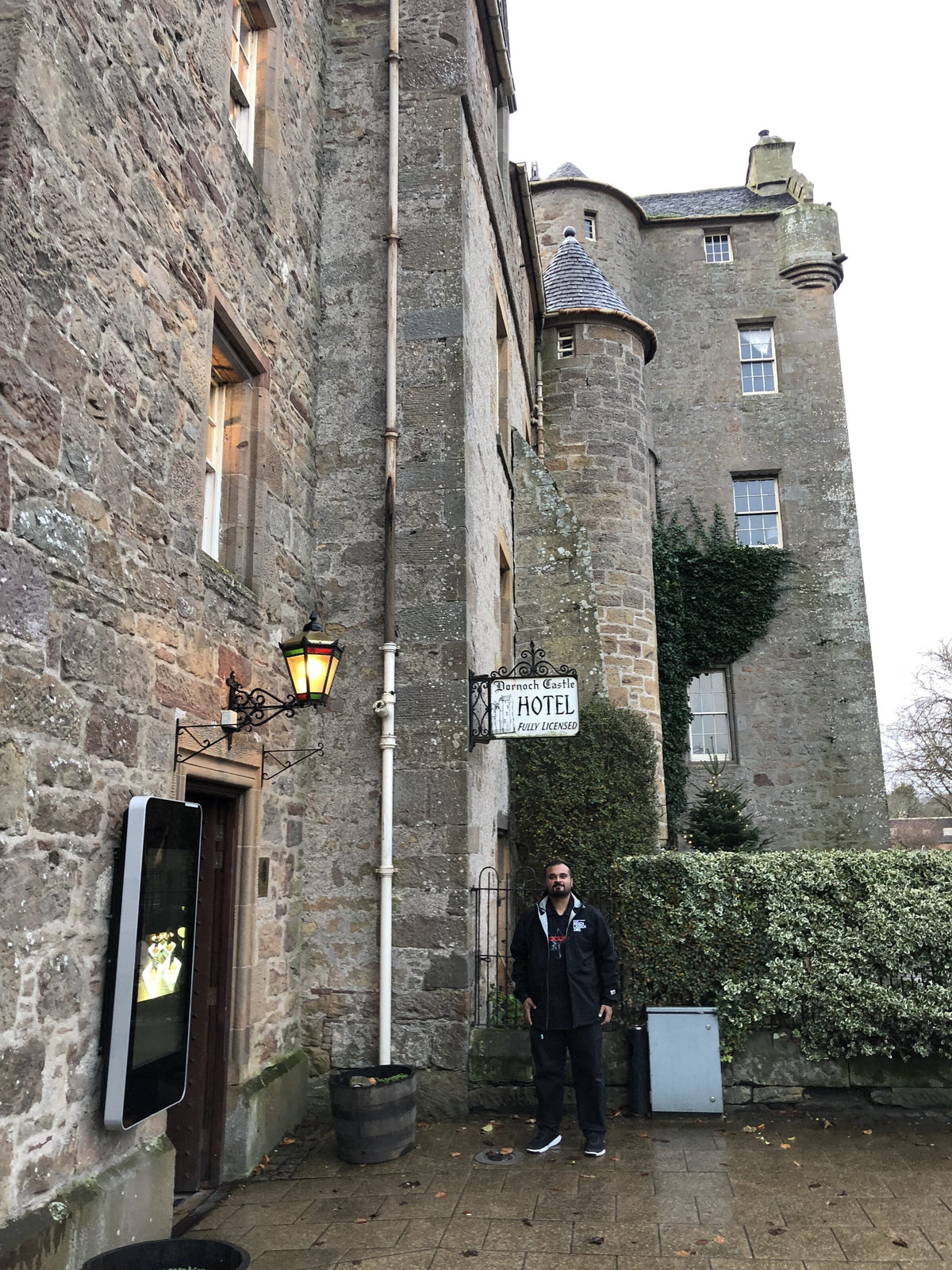
Dornoch Distillery: The Independent Bottlers Who Built Scotland's Smallest Still
Most new Scottish distilleries start with a business plan built around scale. Dornoch Distillery started with two brothers, an old fire station, and a deliberate decision to make whisky slower and smaller than almost anyone else in the country.
Simon and Phil Thompson had already spent years in the whisky trade as independent bottlers before they built a drop of spirit of their own. Dornoch is the distillery that grew out of that bottling business, and it still runs more like a working experiment in pre-industrial whisky making than a modern production site. This guide covers how Dornoch came about, how the whisky is made, what it tastes like, and how realistic it is for an independent bottler or cask buyer to get hold of any.
Dornoch at a glance
| Region | Highland (Dornoch, Sutherland) |
| Founded | Simon and Phil Thompson began as independent bottlers in 2013 under the name Black Isle Whisky Company, renamed Dornoch Distillery Company in 2015 |
| Distillery opened | December 2016, in a converted 19th century fire station next to Dornoch Castle Hotel |
| Owner | Thompson Independent Traders Ltd, owned by the Thompson brothers |
| Capacity | Around 20,000 litres of spirit a year, among the smallest working distilleries in Scotland |
| Stills | 2 (1,000 litre wash still charged to 800 to 900 litres, 500 litre spirit still charged to around 400 litres), hand operated alembic stills |
| Fermentation | 168 to 216 hours, among the longest fermentation times of any Scottish distillery |
| Style | Mostly unpeated, built around heritage barley varieties and slow, old fashioned production rather than a single flavour profile |
| Cask ownership | No open commercial cask programme for trade buyers; past new make spirit allocations have gone to crowdfund investors and private customers |

History of Dornoch
The Thompson brothers were not whisky producers to begin with. In 2013 they set up Black Isle Whisky Company, a small business built around bottling whisky and rum sourced from other distilleries rather than making anything themselves. That side of the business still exists today, trading as Thompson Bros, and it has released whisky from distilleries including North British, Strathclyde, Balmenach, Glenrothes, Ardmore and Glentauchers over the years, usually at cask strength and without colouring or chill filtration.
The idea of running their own stills came later. In 2015 the brothers secured planning permission and renamed the business Dornoch Distillery Company, and in December 2016 they opened a distillery inside a Victorian fire station a few steps from Dornoch Castle Hotel in Sutherland. The project was largely self funded, including, by the brothers' own account, selling their own flat to help raise the money, alongside a 2016 crowdfunding campaign that brought in around 250 investors in exchange for casks of the new make spirit still to come. A second crowdfund in 2018 paid for an expansion into a former slaters' yard nearby, adding retail space and a tasting room as demand for the brothers' Organic Highland Gin grew export markets as far afield as Japan, Taiwan and Australia.
Whisky takes longer to prove itself than gin, and Dornoch's own single malt took years to reach bottle. The first release under the Dornoch name, a three year old from single cask number 001 filled in 2017, did not appear until 2022. By then the brothers had already set their sights on something much bigger: Struie, a planned new distillery less than 200 metres from the original site, designed to produce around 20 times as much spirit using zero carbon methods. A 2025 crowdfund for Struie closed having raised £2.39 million against an original target of £1.86 million, from more than 700 investors, as part of a wider £5 million fundraise into the brothers' company, Thompson Independent Traders Ltd. As of our research Struie had not yet come on stream, so for now almost everything described in this guide still applies to the original fire station distillery rather than its much larger neighbour to come.

How Dornoch makes its whisky
Dornoch is deliberately old fashioned. The brothers have been open about wanting to recreate the kind of whisky Scotland made before the industry modernised in the 1960s, and almost every production choice follows from that. Fermentation runs for 168 to 216 hours, roughly seven to nine days, several times longer than the industry norm of around 48 to 72 hours, using a brewers' yeast chosen specifically because it converts sugar slowly and less efficiently than the fast distillers' yeast most of the industry switched to decades ago. The six washbacks are European oak rather than the stainless steel or Douglas fir more commonly used elsewhere, each holding 1,200 litres.
The stills themselves are tiny and hand operated: a 1,000 litre wash still charged with 800 to 900 litres, and a 500 litre spirit still charged with around 400 litres, both alembic in shape. Barley comes not from the Highlands but from Warminster Maltings in Wiltshire, floor malted from heritage varieties including Plumage Archer and Maris Otter, grains that largely disappeared from mainstream Scotch production decades ago in favour of higher yielding modern strains. Most of what Dornoch makes is unpeated, though the brothers have experimented with peated runs and a range of cask types. Some stock has even been matured inside an insulated shipping container packed with earth, built to mimic the temperature and humidity of a traditional dunnage warehouse. None of this is efficient, and none of it is meant to be. Dornoch's whole approach is built around flavour experiments that a larger, more automated distillery would never have the patience or the capacity to run.

What does Dornoch taste like?
Because output is still so new and so small, Dornoch's own single malt releases are better described as a growing set of single cask experiments than a settled house style. The long fermentation and slow yeast tend to produce a spirit with more weight and fruit character than a typical Highland new make, and the heritage barley varieties are generally credited with adding a biscuity, cereal depth that modern high yielding barley does not give in the same way. Beyond that, expect variation: different cask types, different peating levels and different maturation conditions from one release to the next, which is the point of a distillery built to experiment rather than to repeat a fixed recipe every year.
Thompson Bros' independently bottled releases, drawn from other distilleries rather than Dornoch's own stills, are a more established picture: cask strength bottlings in the 44.5% to 57.1% ABV range, released without colouring or chill filtration, sourced from distilleries such as Glenrothes, Ardmore, Balmenach and Glentauchers among others.

Can you buy a Dornoch cask?
Realistically, not through the open trade. Dornoch is one of the smallest working distilleries in Scotland, producing in the region of 20,000 litres of spirit a year against mainstream distilleries that can produce ten or twenty times that from a single site. What new make spirit the distillery has filled into cask has largely gone to the investors who backed the brothers' crowdfunding campaigns and to private customers buying directly from the distillery, rather than into any standing programme aimed at commercial or trade buyers. We have not seen evidence of a general cask allocation scheme for independent bottlers, and given how little spirit Dornoch produces in a year, that is not surprising.
The clearer route to Dornoch whisky for most people is a bottle rather than a cask, bought directly from the distillery or through specialist retailers once a release goes on sale. For anyone specifically chasing a cask with the Dornoch name on it, the honest answer is that the distillery's own crowdfunds and private sales have been the main route so far, and we would treat any cask offered on the secondary market with real caution until its paperwork and provenance can be properly checked.
The Single Cask and Dornoch
We do not hold a Dornoch cask ourselves, and we are not aware of a realistic trade route to one at the kind of volume independent bottlers usually need. Rather than overstate what is available, we would rather be straightforward about it and point you toward whisky we can actually offer.
If what appeals to you about Dornoch is the old fashioned, hand made character rather than the name on the bottle, our own range includes other small batch and craft distillery casks worth a look, including stock from Wolfburn, another small Highland distillery rebuilt from a ruin in the last decade. If the appeal is the independent bottler story, founders who built their own distillery after years of sourcing and bottling other people's whisky, that path has more in common with distilleries such as Benromach and Kingsbarns, both covered elsewhere on our site. Whatever cask does eventually cross our threshold, it goes through the same checks as everything else that arrives at our bonded warehouse in Glenrothes before it gets anywhere near a bottle.
Plan a bottling inspired by Dornoch
If a genuine Dornoch cask is what you are set on, the distillery's own crowdfunds and direct sales are the only route we are aware of, and even then supply has historically been limited to investors and private customers rather than the trade. If what you are after is Dornoch's old fashioned, experimental character in a cask you can buy and bottle, we can help from a different angle. Our team can talk you through what we currently have available, matched by style, age and cask type rather than chasing one distillery name that may not be obtainable in commercial quantities.
From there the process is the same whichever cask you choose. Buy a whisky cask with verified provenance, let it mature properly in our bonded warehouse, and when the time is right we can take you through bottling it under your own label. Our four steps to bottling your own whisky page sets out what that involves from start to finish.
Whisky cask ownership is not a regulated investment in the UK, and a cask's value can go down as well as up once storage, insurance and duty are accounted for. Nothing in this guide is financial advice, and any decision to buy should rest on the whisky itself and the paperwork behind it, not on the promise of a return.
Want to talk through what is available right now, or ask us plainly whether a particular distillery's whisky is realistic to source? Get in touch and we will tell you straight.
Frequently asked questions
Who owns Dornoch Distillery?
Dornoch is owned by brothers Simon and Phil Thompson, trading as Thompson Independent Traders Ltd. The brothers started out as independent bottlers in 2013 before opening their own distillery in 2016.
Where is Dornoch Distillery?
Dornoch Distillery is in the Highland town of Dornoch, Sutherland, housed in a converted 19th century fire station next to Dornoch Castle Hotel.
Is Dornoch really Scotland's smallest distillery?
It is widely described that way, producing in the region of 20,000 litres of spirit a year. Other distilleries, such as Edradour, have made similar claims at different points, and "smallest" in Scotch whisky tends to depend on exactly what is being measured, but Dornoch's output is undeniably tiny by industry standards.
Can I buy a Dornoch whisky cask?
Not easily. Dornoch has no general cask programme for trade or commercial buyers that we are aware of. Past allocations of new make spirit have gone mainly to crowdfund investors and private customers buying directly from the distillery, not to the open independent bottling trade.
What does Dornoch whisky taste like?
Dornoch's single malt releases vary considerably from cask to cask, reflecting different peating levels and maturation experiments, but the long fermentation and heritage barley tend to give a spirit with more fruit and cereal depth than a typical Highland new make.
What is Struie distillery?
Struie is a much larger distillery the Thompson brothers are developing near their original Dornoch site, designed to produce roughly 20 times as much spirit using zero carbon methods. A 2025 crowdfund for the project raised £2.39 million from over 700 investors.
Work with The Single Cask
Buy a whisky cask, bottle under your own label, or store casks in our HMRC approved bonded warehouse in Fife.
Read more
Kingsbarns Distillery: From a Golf Caddie's Dream to the Wemyss Family's Own Lowland Malt
Kingsbarns is one of Scotland's newer distilleries, with an unusual story behind it. The idea came from Douglas Clement, a local golf caddie who saw an opportunity to build a whisky distillery clos...
Read more


