
Article: Ardnamurchan Distillery: The Independent Bottler That Went Off Grid
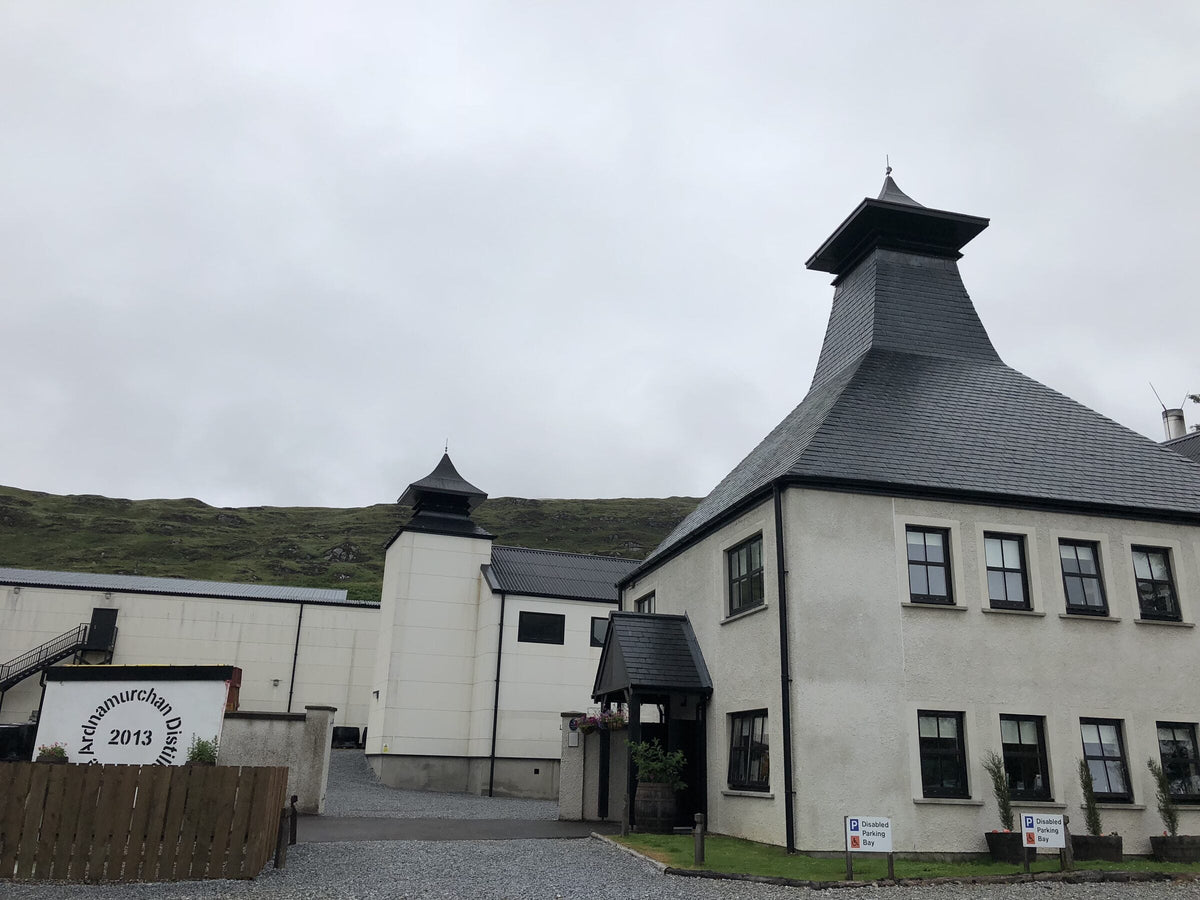
Ardnamurchan Distillery: The Independent Bottler That Went Off Grid
Most Highland distilleries built in the last fifteen years sit somewhere within reach of a main road. Ardnamurchan does not. It stands on one of the remotest stretches of the Scottish mainland, on a peninsula so far west that the point at its tip is the most westerly spot in mainland Britain, and it was built by a company that had spent the best part of two centuries doing everything in whisky except actually distilling.
That company is Adelphi, and its own story is almost as unusual as the distillery's location. This guide covers how Ardnamurchan came to be built, how the whisky is made, what the two house styles taste like, and what the picture looks like for anyone, private buyer or trade customer, hoping to get hold of a cask.
Ardnamurchan at a glance
| Region | Highland (Glenbeg, Ardnamurchan peninsula) |
| Founded | Built 2013 to 2014 by Adelphi Distillery, first distilled 2014 |
| Owner | Adelphi Distillery Ltd, owned by Keith Falconer and Donald Houston since 2004 |
| Capacity | Around 300,000 to 500,000 litres of alcohol a year |
| Stills | 1 wash still (10,000 litres), 1 spirit still (6,000 litres, with a boil ball) |
| Washbacks | 7 (4 oak, 3 stainless steel), 15,000 litres each |
| Fermentation | 72 to 120 hours |
| Water source | Springs above the distillery for production, the Glenmore River for cooling |
| Power | On site hydro turbine and a biomass boiler, with zero fuel oil used |
| Style | Both peated and unpeated spirit made from the outset |
| Visitor centre | Yes, open year round with guided tours, booked through the distillery's own site |

History of Ardnamurchan
To understand why Ardnamurchan exists, it helps to go back almost two hundred years, to a distillery of the same name that no longer exists at all. In 1826 brothers Charles and David Gray built the original Adelphi Distillery in the Gorbals district of Glasgow, on the banks of the Clyde. By the late nineteenth century it had grown into one of the largest distilling operations in Scotland, producing more than 500,000 gallons a year. The Distillers Company Ltd bought it in 1903, malt whisky production stopped by 1907, and the buildings themselves were demolished between 1968 and 1971. The site is now occupied by Glasgow's Central Mosque, with nothing left above ground to mark where a working distillery once stood.
The Adelphi name did not die with the buildings. In 1993 Jamie Walker, great-grandson of one of the distillery's former owners, revived it as an independent bottler, sourcing and releasing single casks from other people's distilleries at natural cask strength, without colouring or chill filtration. Keith Falconer and Donald Houston bought the company in 2004 and kept building the bottling business, but the long term ambition was always to get back into making whisky rather than simply selling other people's. That ambition became Ardnamurchan: construction ran from 2013 to 2014 on a site in Glenbeg, on the Ardnamurchan peninsula in Lochaber, and the stills ran for the first time in 2014, a hundred and seven years after Adelphi's original distillery had gone quiet. The first official release followed in 2017, once the spirit had cleared the statutory three year minimum to be called Scotch.

How Ardnamurchan makes its whisky
Ardnamurchan runs a comparatively small, traditional still house for a distillery with a licensed capacity of up to half a million litres a year: one 10,000 litre wash still and one 6,000 litre spirit still, both copper, with the spirit still carrying a boil ball to encourage extra reflux and a lighter character. A semi-lauter mash tun handles a 2 tonne grist, and the wort ferments in seven washbacks, four oak and three stainless steel, each holding 15,000 litres, for anywhere between 72 and 120 hours depending on the style being made that week. Two distinct spirits have been produced from the very first mashing: an unpeated Highland style and a heavily peated one, both made on the same equipment rather than treated as a side project.
What sets Ardnamurchan apart from almost every other distillery in this guide is how it is powered. A hydro turbine on site, fed from the burns above the distillery, generates enough electricity that Ardnamurchan is a net contributor back to the local grid rather than a drain on it, and process water comes from springs on the same high ground. A biomass boiler, burning wood chip supplied by a neighbouring forestry business, provides all of the distillery's heat, which means Ardnamurchan uses no fuel oil at all, unusual for a distillery of this size. A water recirculation system built into the cooling process is also reported to have cut the volume of fresh water the distillery draws down by well over ninety percent compared with a conventional set up. None of this was added after the fact. Adelphi built the distillery around renewable power from the start, on a peninsula where mains gas was never an option and the nearest substation is a long way off.
Barley comes from the mainland rather than the peninsula itself. Ardnamurchan uses a specially grown variety called Concerto, malted to a phenol specification of around 30 parts per million for the peated style, supplied through the maltster Bairds from Broomhall Farm. That level of control over the barley, chosen and specified rather than simply bought off the shelf, is the kind of detail a company with decades of experience judging other distilleries' spirit as an independent bottler was always likely to care about once it started making its own.

What does Ardnamurchan taste like?
Ardnamurchan releases its whisky in small, numbered batches rather than a single, fixed house expression, each one labelled with a code such as AD or a cask and batch reference rather than a conventional age statement alone. That approach is a direct carry over from Adelphi's bottling background: batch codes and full transparency about cask type are standard practice for an independent bottler, and Ardnamurchan has simply applied the same habit to whisky it distilled itself.
The unpeated style tends toward a fresh, maritime character, grassy and citrus led in youth with the long fermentation and copper contact from the boil ball keeping it bright rather than heavy. The peated style is built around that 30 ppm barley and comes through with coastal smoke alongside fruit and spice notes that tasters consistently pick out as more complex than straightforward bonfire peat, a profile some reviewers have compared to a cross between an Islay and a Speyside character rather than sitting neatly in either camp. Both styles are matured across a genuinely wide range of cask types, ex-bourbon, ex-sherry and wine casks among them, which shows up as real variation from one batch release to the next.
Ardnamurchan and independent bottlers
There is a certain logic to a company built on independent bottling being relatively open about third party access to its own stock, and that appears to hold true for Ardnamurchan. Genuine single cask releases bottled outside Adelphi's own range have reached the market through independent bottlers including North Star Spirits and James Eadie, among others, generally at cask strength and carrying full disclosure of cask type in the way the wider independent bottling trade favours.
That said, Ardnamurchan is still a relatively young distillery with limited mature stock in the ground compared with an operation that has been filling casks for a century, and Adelphi's own numbered batch releases remain the primary way most of its whisky reaches drinkers. An independent bottler or new brand specifically chasing an Ardnamurchan cask should expect a real but limited market, generally through brokers and auction rather than a standing allocation straight from the distillery.
 The Single Cask and Ardnamurchan
We do not currently hold any more Ardnamurchan cask ourselves. Given how the distillery splits its production between a maritime, unpeated style and a genuinely distinctive peated one, the closer flavour match in our own stock is peat rather than the gentler profile. Our Ardmore 9 year old, a cask strength Highland peated malt with 24 units currently available, is a real alternative worth considering if the smoky, coastal side of Ardnamurchan's character is what appeals. If an Ardnamurchan cask does come our way through the trade, it goes through the same checks as every cask that arrives at our bonded warehouse in Glenrothes before we would offer it to a client.
Readers who are drawn more to Ardnamurchan's story than its flavour profile, a remote, newly built distillery run on genuinely off grid power, might also want to look at our guides to Wolfburn and Dornoch, two other small Highland distilleries rebuilt from almost nothing within the last fifteen years.
Plan a bottling inspired by Ardnamurchan
If it has to be genuine Ardnamurchan, independent releases do exist through bottlers such as North Star Spirits and James Eadie, and it is worth asking brokers directly rather than assuming nothing is available. If what actually matters to you is a well made, cask strength Highland malt in either style, peated or unpeated, we can help from a different angle. Our team can talk you through what we currently have available, matched by flavour, region, age and cask type.
From there the process is the same whichever cask you choose. Buy a whisky cask with verified provenance, let it mature properly in our bonded warehouse, and when it is ready we can take you through bottling it under your own label. Our four steps to bottling your own whisky page sets out what that involves from start to finish.
Whisky cask ownership is not a regulated investment in the UK, and the value of a cask can go down as well as up once storage, insurance and duty are accounted for. Nothing here is financial advice, and any decision to buy should rest on the whisky and the paperwork behind it, not on a promised return.
Want to talk through genuine Highland stock, or ask us plainly what is realistic for an Ardnamurchan inspired project? Get in touch and we will tell you straight.
Frequently asked questions
Who owns Ardnamurchan Distillery?
Ardnamurchan is owned by Adelphi Distillery Ltd, under Keith Falconer and Donald Houston, who have run Adelphi as an independent bottler since buying the company in 2004.
Where is Ardnamurchan Distillery?
Ardnamurchan sits at Glenbeg on the Ardnamurchan peninsula in Lochaber, in the Scottish Highlands, close to the most westerly point of the British mainland.
Is Ardnamurchan whisky peated or unpeated?
Both. Ardnamurchan has made two distinct styles, unpeated and heavily peated with barley specified to around 30 parts per million phenols, on the same stills since its first mashing in 2014.
Can I buy an Ardnamurchan whisky cask?
Genuine independent single cask releases do exist, from bottlers including North Star Spirits and James Eadie, though supply is limited given the distillery only began distilling in 2014. Most Ardnamurchan reaches the market through Adelphi's own numbered batch releases rather than third party cask sales.
What makes Ardnamurchan's production unusual?
It is run largely on renewable power generated on site, a hydro turbine and a biomass boiler burning locally sourced wood chip, with no fuel oil used at all, on a peninsula where mains gas was never a realistic option.
Can you visit Ardnamurchan Distillery?
Yes. The distillery has a visitor centre open year round with guided tours, bookable in advance through the distillery's own website.
Work with The Single Cask
Buy a whisky cask, bottle under your own label, or store casks in our HMRC approved bonded warehouse in Fife.
Read more
Annandale Distillery: Closed by Johnnie Walker, Rebuilt From a Ruin on the Border
Annandale closed in 1921 and sat empty for the best part of eighty years. It opened in 1830, grew through the Victorian whisky boom, was bought outright by John Walker and Sons, then shut its doors...
Read more


