
Convalmore Distillery: The Speyside Ghost That Became a Rival's Warehouse
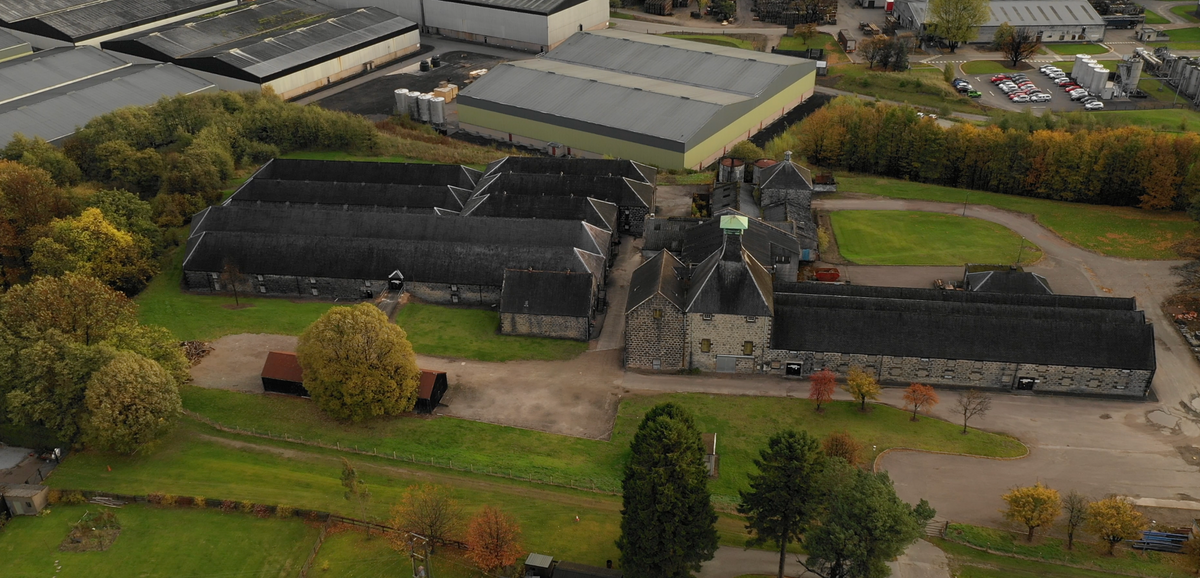
Drive through Dufftown today and you could pass Convalmore without knowing it. The distillery stopped making whisky in 1985, and the buildings that once housed its stills now hold maturing casks for its neighbour, William Grant & Sons. Nobody demolished it and nobody turned it into a museum. It became a warehouse in a distillery's clothing, quietly absorbed into a rival's business, which is a stranger fate than the ruin or revival stories behind most of Speyside's ghost distilleries.
Diageo still owns the Convalmore name and the right to bottle what remains of its stock, so the whisky has outlived the distillery. Bottles still surface, mostly from Gordon & MacPhail's independent releases and the occasional official Special Release, and collectors who know a finite stock when they see one tend to snap them up.
Convalmore at a glance
| Region | Speyside |
| Founded | 1893, first distilled 1894 |
| Founder | Convalmore-Glenlivet Distillery Company |
| Closed | 1985 |
| Brand owner | Diageo (holds the name and remaining stock) |
| Site owner | William Grant & Sons (bought 1992, now warehousing) |
| Status | Closed. Buildings repurposed, no production |
| Visitor access | None. Private working warehouse site |

History of Convalmore
The Convalmore-Glenlivet Distillery Company built Convalmore in 1893, one of a wave of Speyside distilleries raised during the late Victorian whisky boom. They named it after the Conval Hills to the north of Dufftown, which also supplied its spring water. It changed hands quickly. W&P Lowrie & Co, a blending firm, bought it in 1904, and by 1925 it had passed into the Distillers Company Limited empire through Scottish Malt Distillers, the same ownership structure that absorbed most of Speyside's independent distilleries in that era.
In 1909 a fire tore through the distillery, a hazard that comes with the territory when you combine alcohol vapour and coal-fired heat. The rebuild took an unusual turn. Alongside the traditional pot stills, Convalmore installed a Coffey-style column still and ran continuous distillation in parallel with batch pot distillation, an experiment few Scotch malt distilleries ever attempted. It did not last. The column still came out in 1916, and Convalmore went back to being a conventional pot still operation, a little larger than average, running four stills by 1964 and converting from coal to steam heating in 1962.
For most of its working life Convalmore was a blending malt rather than a name drinkers sought out on its own, feeding whiskies including Black & White and W&P Lowrie's own blends. DCL's successor companies closed it in 1985 in the same round of cuts that shut its neighbours Parkmore and Pittyvaich. Speyside had more distilling capacity than the blending companies that owned it needed. Rather than sit empty, the site found a second life in 1992 when William Grant & Sons, owner of the neighbouring Glenfiddich and Balvenie distilleries, bought it outright for warehouse space. That is what it remains today.
How Convalmore made its whisky
Convalmore's production was textbook Speyside for most of its life, with one exception: the column still experiment of 1909 to 1916, which briefly made it one of the only Scotch malt distilleries running continuous distillation alongside pot stills. Once the column still was dismantled, the distillery settled into four steam-heated pot stills (expanded from an original pair) feeding a stainless steel mash tun installed in a new mash house in 1975, which replaced the original cast iron vessel. None of this equipment survives in working order. The owners stripped it out after the 1985 closure, and the buildings now hold casks rather than stills.
The flavour of the whisky is better documented than the process behind it. Convalmore built a reputation among blenders and, later, independent bottlers for a sweet, honeyed, waxy character. Honey, vanilla, banana and pear turn up again and again in tasting notes of surviving bottlings, with developing spice and sometimes a faint smokiness in older casks. It is a gentler, sweeter style than the meaty, sulphury character Speyside sometimes gets stereotyped with, which is part of why collectors still chase it.
Convalmore and independent bottlers
Because Diageo controls the remaining stock, almost everything you can buy under the Convalmore name has come either through an official Diageo Special Release or through an independent bottler working from casks Diageo released to the trade decades ago. Gordon & MacPhail's Private Collection has been the most consistent source, with vintages from the 1960s and 1970s still appearing at auction and from specialist retailers. Diageo itself revisited the name for a 32-year-old 1984 vintage in its 2017 Special Releases series, by which point Convalmore had been closed for over three decades.
In practice, Convalmore is a finite, ageing pool of stock rather than a living release schedule. Prices have moved accordingly. Older independent bottlings now trade mostly through auction houses and specialist whisky retailers rather than general stockists, and with nobody distilling any more of it, that scarcity will only deepen.
Convalmore and The Single Cask
We don't hold a Convalmore cask ourselves. With the distillery closed since 1985 and Diageo controlling what remains, independent access to Convalmore stock is rare and, by now, expensive. If the sweet, honeyed, blending-malt character of Convalmore is what draws you in, our Dailuaine 13 Year Old (cask 301698, Alex Henry Foster Edition) is a closer flavour match than it might look on paper. Dailuaine is another classic Speyside blending malt built on a similar sweet, fruit-forward profile, and unlike Convalmore it is a working distillery whose stock we can trace back directly.

Plan a bottling inspired by Convalmore
Convalmore's story, a distillery absorbed quietly into a rival's operation rather than reopened or demolished, is unusual. Even so, every working distillery eventually faces the same question its owners asked in 1985: what happens to a cask of whisky once it has been filled. If you want a more direct answer for a cask that is still maturing, start with our whisky casks available page, or read about buying a whisky cask and the four steps to bottling your own whisky. If you would rather commission something under your own name, our private label whisky service covers that end to end. For more on Speyside's blending-malt tradition, see our guides to Dailuaine and GlenAllachie.
Cask ownership in Scotch whisky is not regulated the way the finished drink is. Standards of record-keeping, insurance and transparency vary a great deal between brokers, which is why we set out exactly what we do on our own site rather than asking you to take it on trust.
If you have questions about any of this, or about Convalmore in particular, our contact page is the fastest way to reach us.
Frequently asked questions
Is Convalmore distillery still open?
No. It closed in 1985 and has not distilled whisky since. William Grant & Sons now uses the buildings as a whisky warehouse.
Can I visit Convalmore distillery?
No. The site is a private working warehouse with no visitor centre or public access.
Who owns Convalmore now?
Two owners hold two different things. Diageo owns the Convalmore brand and whatever stock remains to be bottled, while William Grant & Sons owns the buildings, which it bought in 1992 for warehouse space.
Can I still buy Convalmore whisky?
Yes, but only from existing stock, since no new Convalmore is being distilled. Gordon & MacPhail's Private Collection has released various vintages over the years, and Diageo included a 32-year-old in its 2017 Special Releases. Most available bottles now come through specialist retailers or auction.
What does Convalmore whisky taste like?
Tasting notes consistently describe a sweet, honeyed and fruity character. Honey, vanilla, banana and pear come up most often, with developing spice in older examples.
Does The Single Cask sell a Convalmore cask?
Not at the moment. Convalmore stock is scarce and Diageo controls it. We point customers toward our Dailuaine 13 Year Old as the closest flavour match from a distillery whose stock we can trace directly.
Work with The Single Cask
Buy a whisky cask, bottle under your own label, or store casks in our HMRC approved bonded warehouse in Fife.
Read more
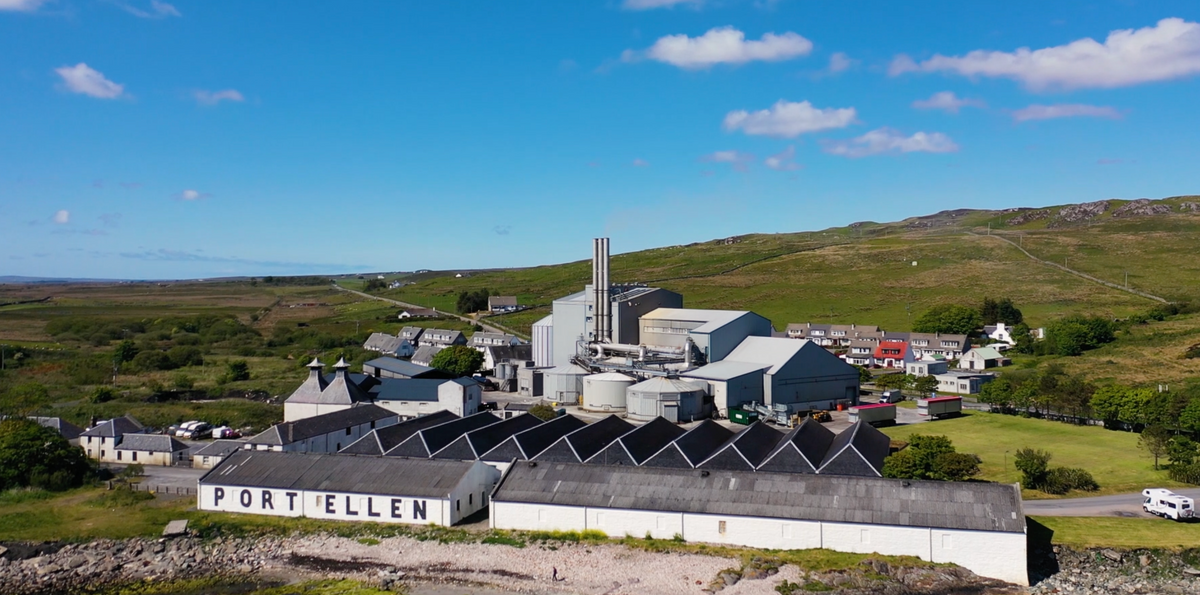
Port Ellen Distillery: Islay's Most Expensive Comeback
Port Ellen is the whisky world's best known ghost story with a happy ending. Closed in 1983 and left silent for forty years, its remaining casks became some of the most sought after and expensive w...
Read more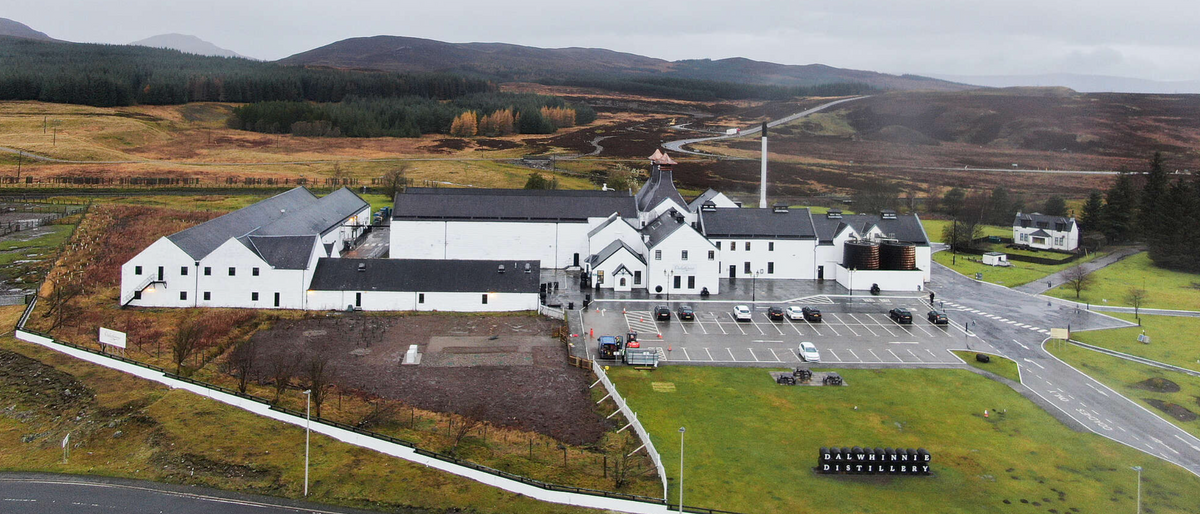
Dalwhinnie Distillery: The Highest, Loneliest Still in Scotland
At 326 metres above sea level, Dalwhinnie is Scotland's highest distillery - a tiny, isolated operation that nearly failed within months of opening in 1898 and went on to become one of the original...
Read more


