
Article: Port Ellen Distillery: Islay's Most Expensive Comeback
Port Ellen Distillery: Islay's Most Expensive Comeback
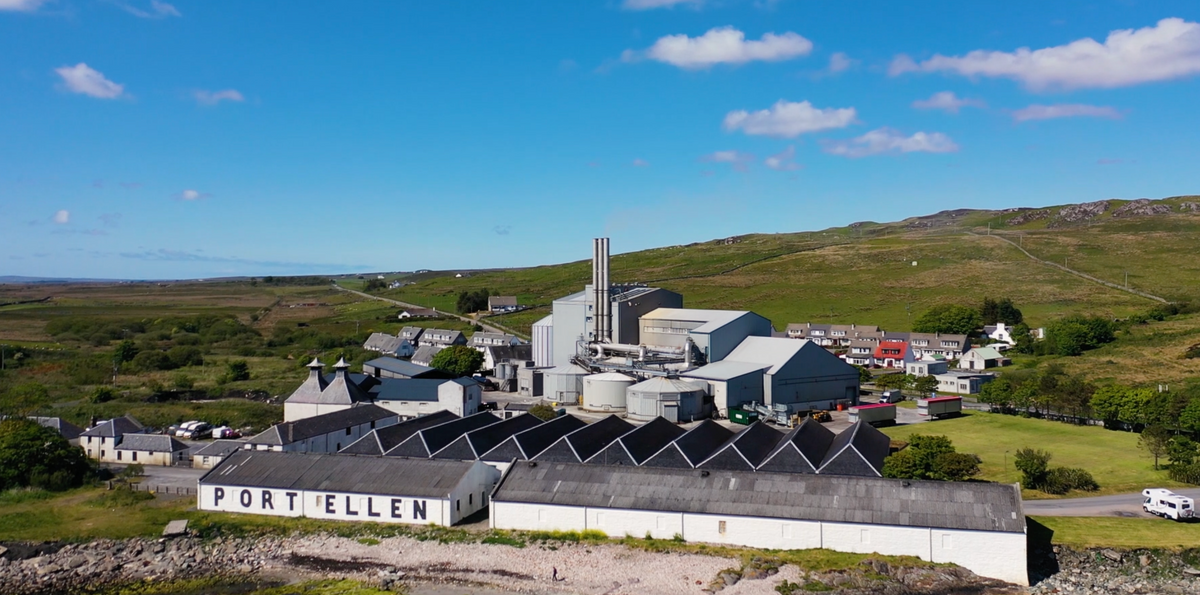
Port Ellen is the whisky world's best known ghost story with a happy ending. Closed in 1983 and left silent for forty years, its remaining casks became some of the most sought after and expensive whisky in the world, chased by collectors and independent bottlers long after the stillhouse itself had been stripped out. In March 2024 Diageo reopened the distillery on the same site, rebuilding the stills from old factory drawings and putting new spirit through them for the first time in a generation.
This guide covers how Port Ellen came to close, why its whisky became so valuable in the meantime, what the rebuilt distillery is actually doing now, and what any of that means in practice for an independent bottler or private label customer hoping to get hold of a cask.
Port Ellen at a glance
| Region | Islay, on the south coast at the town of Port Ellen |
| Founded | Built as a malt mill in 1825, developed into a distillery by John Ramsay from 1833 to 1892 |
| Owner | Diageo, since the Distillers Company Limited bought the site in 1925 |
| Status | Closed 1983, officially shut 1987, reopened 19 March 2024 after a reported £185 million revival |
| Stills | Two wash and two spirit stills, recreated from 1980s factory records as close copies of the originals, plus a pair of small experimental pilot stills |
| Water source | The Leorin Lochs, above the town |
| Whisky style | Heavily peated, using peat cut from Duich Moss on Islay |
| Cask policy (historic) | Roughly 80% ex-bourbon casks, around 20% ex-sherry |
| Visitor access | A free monthly Open Day, plus paid tours including Port Ellen Reborn and the invite-only Atlas of Smoke experience |

History of Port Ellen
A malt mill had stood on the site since 1825, but it was John Ramsay who built it into a proper distillery, running it from 1833 until his death in 1892. The warehouses he put up are still standing today and are listed buildings, among the oldest working whisky buildings on Islay. The Distillers Company Limited, DCL, bought the site in 1925, by which point Port Ellen was already supplying whisky mainly for blends rather than bottling much under its own name.
Production stopped in 1929 as Prohibition in the United States hit demand for Scotch, and the distillery was mothballed the following year. It sat quiet until 1967, when DCL rebuilt it and brought it back into production through the 1970s. That second run did not last either. Port Ellen was mothballed again in 1983, part of a wave of closures across the industry as a decade of overproduction caught up with Scotch whisky all at once, and it was officially shut for good in 1987. DCL demolished some of the distillery buildings and dismantled the stills completely.

What happened next is the part most whisky drinkers actually know Port Ellen for. The whisky already in cask when the distillery closed kept maturing in the warehouses, and because no more was ever going to be made, every bottling of it became a little rarer than the last. Independent bottlers who held stock, Signatory Vintage above all, reportedly with more than a hundred casks, along with Douglas Laing and Gordon & MacPhail, kept releasing Port Ellen for decades after the stills fell silent, and prices climbed steadily as the remaining casks thinned out. A single 1979 cask sold at a Sotheby's auction in 2022 for £875,000, paired with a piece of glass art, with part of the proceeds going to charity. Port Ellen became less a working distillery in most drinkers' minds and more a byword for scarcity.
Diageo, DCL's successor, announced in October 2017 that it would reopen Port Ellen as part of a £35 million investment that also covered reviving Brora, the Highland distillery closed the same year. Planning permission for a new stillhouse followed in 2019, and Diageo used former Port Ellen employees, by then working elsewhere on Islay, along with the original 1980s factory records, to recreate the stills as closely as possible to the pair that had been scrapped. The reopened distillery finally started distilling again on 19 March 2024, a little over forty years after it had last run, at a total project cost reported around £185 million.
How Port Ellen makes its whisky
The rebuilt stillhouse holds two wash stills and two spirit stills, large, onion shaped copper pots built to match the shape of the originals as closely as the old records allowed, plus a smaller pair of what Diageo calls its Experimental stills, kept for trial distillations rather than everyday production. Water for the distillery comes from the Leorin Lochs above the town, the same source Port Ellen always used. The style Diageo is chasing is unmistakably the old one: heavily peated spirit, made with malt peated using peat cut from Duich Moss on Islay, the same source as before closure.

Older Port Ellen, the stock that built the distillery's reputation, was matured mostly in ex-bourbon wood, roughly 80% of it, with the remaining fifth in ex-sherry casks. On the nose it tends to show peat smoke alongside something sweeter, ripe fruit and a clear note of the sea, and the palate carries that same smoke through spice, nuts and a streak of chocolate, finishing long, smoky and faintly salty. It is not as sharp or medicinal as some of its Islay neighbours. Older Port Ellen is generally remembered as rounder and oilier, a style that seems to have matured unusually well over three and four decades in cask, which is a large part of why collectors chase it so hard.
Next door to the distillery, separated from it operationally but sharing the name and the site, Port Ellen Maltings never stopped working through any of this. It is the only commercial maltings left on Scotland's west coast and the only one still using peat in its kilns, and it has supplied malted barley, both peated and unpeated, to almost every distillery on Islay for decades, including through the years when the distillery itself stood empty. Worth knowing if you come across the Port Ellen name attached to a bag of malt rather than a bottle: it is the same site, but a different part of the business, and it kept running the whole time.
Port Ellen and independent bottlers
Being candid about this matters more for Port Ellen than almost any other distillery in this series. Pre-1983 stock does still turn up through established independent bottlers and at whisky auction, but it is now extraordinarily old, in genuinely short supply, and priced accordingly, more a collector's market than a trade one. Nobody buying a Port Ellen cask today is doing it to bottle a commercial run; the economics simply do not work that way any more.
New spirit from the reopened distillery is a different story again, and so far a fairly closed one. Diageo controls the whole of the 2024 restart, and the releases so far have been tiny and ceremonial rather than commercial: the twinned Port Ellen Gemini bottlings drawn from 1978 casks to mark the reopening, and a 200th Anniversary Edition announced in 2025, just 150 bottles worldwide at £7,500 each. Diageo has said publicly that a widely available release of the reborn distillery's own new-make is still some years off. Nothing published points to any route for an independent bottler or private label customer to buy new-fill Port Ellen cask, and there is no reason to expect that to change while the distillery is still building up its own stocks. If a cask is offered to you as Port Ellen, young or old, it is worth treating the claim with real scrutiny.
The Single Cask and Port Ellen
We do not hold a Port Ellen cask, and realistically no independent bottler our size is likely to for a long while yet. What we can offer instead is the nearest honest match from our own current stock: a Caol Ila 12 year old cask, distilled a few miles up the Islay coast from Port Ellen and sharing the same heavily peated, maritime character, cask strength and genuinely available right now rather than a story about scarcity. It will not taste identical to Port Ellen, no two distilleries ever do, but it sits in the same smoky, salty family and comes without a five figure price tag attached.
Readers interested in Islay's other independently minded distilleries, or in how a whisky brand can be rebuilt from almost nothing, might also want our guides to Ardnahoe, built from scratch by the independent bottler Hunter Laing, and Caol Ila, the quiet Islay giant just along the coast.
Plan a bottling inspired by Port Ellen
If the Port Ellen name itself is the goal, be prepared for a collector's budget rather than a trade one, and treat any younger cask offered under that name with real caution given how tightly Diageo controls the new distillery's output. If what you actually want is Port Ellen's style, heavily peated, maritime, built to age well over many years, we can help you find a genuine cask that delivers it. Our team can talk you through what we currently have available, matched by flavour, region, age and cask type, including other smoky Islay stock as it comes in.
From there the process is the same whichever cask you choose. Buy a whisky cask with verified provenance, let it mature properly in our bonded warehouse, and when it is ready we can walk you through bottling it under your own label. Our four steps to bottling your own whisky page sets out what that involves from start to finish.
Whisky cask ownership is not a regulated investment in the UK, and a cask's value can go down as well as up once storage, insurance and duty are taken into account. Nothing in this guide is financial advice, and any decision to buy should rest on the whisky and the paperwork behind it rather than a promised return.
Want to talk through genuine Islay stock, or ask us plainly what is realistic for a Port Ellen inspired project? Get in touch and we will tell you straight.
Frequently asked questions
Can independent bottlers buy a cask of Port Ellen whisky?
Not realistically. Pre-1983 stock still appears occasionally through established bottlers and at auction but is now extremely rare and priced as a collector's item rather than trade stock. New spirit from the reopened distillery is controlled entirely by Diageo, with no published route for independent bottlers to buy cask.
Why is Port Ellen whisky so expensive?
The distillery closed in 1983 and the whisky already in cask was never replaced, so the remaining stock has shrunk every year since. A single 1979 cask sold at auction in 2022 for £875,000, and Diageo's own anniversary releases from the reopened distillery have been priced at thousands of pounds a bottle.
When did Port Ellen distillery reopen?
It began distilling again on 19 March 2024, roughly forty years after it was mothballed in 1983, following a reported £185 million revival by owner Diageo.
What does Port Ellen whisky taste like?
Classic older Port Ellen is heavily peated but rounder and oilier than some other Islay malts, with peat smoke, ripe fruit and maritime salt on the nose, and spice, nuts and chocolate running through a long smoky finish.
Is Port Ellen Maltings the same company as Port Ellen Distillery?
They share a site and a name but are run as separate operations. The maltings never closed, even through the distillery's forty silent years, and still supplies peated and unpeated malt to most of Islay's working distilleries today.
Can you visit Port Ellen distillery?
Yes. There is a free Open Day once a month, a paid Port Ellen Reborn tour covering production and a warehouse tasting, and a full-day Atlas of Smoke experience bookable only through Diageo's Private Client team.
Work with The Single Cask
Buy a whisky cask, bottle under your own label, or store casks in our HMRC approved bonded warehouse in Fife.
Read more
GlenAllachie Distillery: The Speyside Workhorse Billy Walker Turned Into an Award Winner
For the better part of fifty years, GlenAllachie made whisky that almost nobody ever tasted on its own. Built in the late 1960s to feed blended Scotch, it passed between three different owners with...
Read more


