
Article: Strathisla Distillery: The Oldest Working Highland Distillery Most People Never Taste
Strathisla Distillery: The Oldest Working Highland Distillery Most People Never Taste
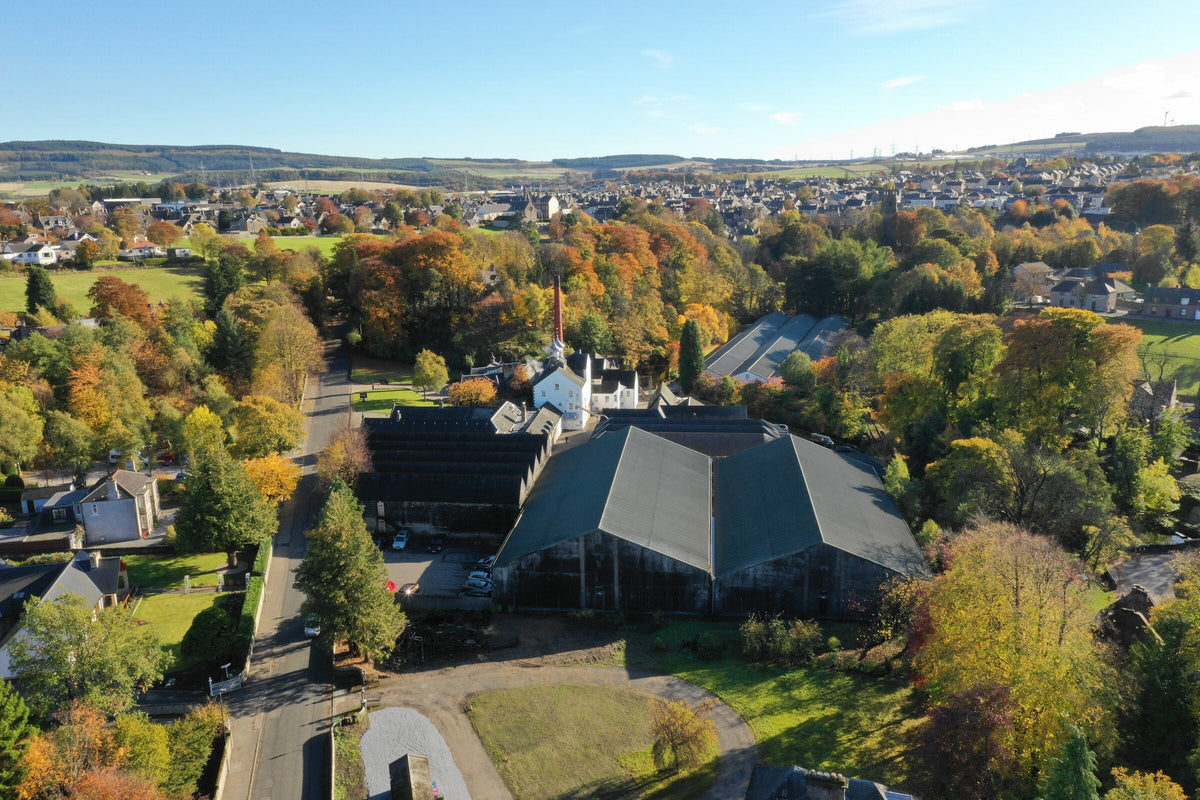
Most whisky drinkers have tasted Strathisla without ever knowing it. Almost everything this distillery makes disappears into Chivas Regal and Royal Salute, two of the biggest names in blended Scotch, which is why a place that Pernod Ricard calls one of the prettiest sites in the industry, all twin pagodas, a working water wheel and a cobbled courtyard, remains one of the least visible single malts on a shop shelf. It also happens to be, by most accounts, the oldest continuously working distillery in the Highlands, tracing its licence back to 1786.
That combination, genuine age and genuine scarcity, is what makes a Strathisla cask worth stopping for when one turns up. This guide covers how the distillery works, why the blenders guard it so closely, what independent bottlers have managed to get hold of over the years, and the single cask we currently have in our own warehouse.
Strathisla at a glance
| Region | Speyside (Keith, Moray, on the River Isla) |
| Founded | 1786, as Milltown distillery, by George Taylor and Alexander Milne; took the Strathisla name in the early 1950s |
| Owner | Chivas Brothers (Pernod Ricard), since 2001; bought by Seagram in 1950 |
| Capacity | Around 2.4 million litres of pure alcohol a year |
| Stills | 4 (2 wash, 2 spirit), unusually small and squat with short necks |
| Water source | A local spring, most often named as Fons Bulliens, close to the distillery |
| Malt spec | Unpeated |
| Style | Classic Speyside: honeyed, malty and fruity, with soft toffee and a touch of spice |
| Visitor centre | Yes, home to the Chivas Regal Visitor Centre, one of Speyside's most visited |

History of Strathisla
The distillery that became Strathisla started life in 1786 as Milltown, built on land leased from the Earl of Seafield by George Taylor and Alexander Milne. Keith already had a mill and a water source worth fighting over, and the site changed hands repeatedly through the nineteenth century as one owner after another tried and failed to make it pay. By the middle of the twentieth century it was tired, undercapitalised and close to closing altogether.
What saved it was a blend. In 1950, Sam Bronfman's Seagram company bought the distillery for £71,000 to anchor a new deluxe Scotch aimed squarely at the American market: Chivas Regal. Seagram renamed the site Strathisla not long after, after the river that runs past its walls, and rebuilt its fortunes around supplying that blend. When Pernod Ricard acquired Seagram's spirits business in 2001, Strathisla passed to Chivas Brothers, where it remains the malt the whole Chivas Regal and Royal Salute range is built on.
Across the road in the same small town sits Glen Keith, another Chivas Brothers distillery with its own very different story. It is one of several reasons Keith is a genuinely interesting stop for anyone tracing the Speyside distilleries that feed the big blending houses rather than chase single malt fame in their own right.
How Strathisla makes its whisky
The stills are the first clue to the style. Strathisla runs two wash stills and two spirit stills, and by Speyside standards they are small and oddly proportioned, short and squat with necks noticeably shorter than most of their neighbours. Short necks generally mean less reflux and a heavier, oilier spirit reaching the spirit safe, and that extra weight is a large part of why Strathisla's new make carries so much fruit and body straight off the still.
Capacity sits at around 2.4 million litres of pure alcohol a year, drawn largely from the Fons Bulliens spring near the distillery, a source locals have relied on for centuries. The malt is unpeated, fermentation runs long by industry standards, and none of it is done for show: Chivas Brothers has kept the process almost untouched for decades precisely because it produces the malt its blenders depend on. Casks are mostly ex-bourbon American oak, with a meaningful amount of sherry wood used for the handful of official single malt releases and for the distillery's own single cask sales through the visitor centre.

What does Strathisla taste like?
Honey and orchard fruit first, then a malty, slightly nutty backbone with soft toffee and a gentle warmth of spice. It sits close to what most people mean when they say "classic Speyside", fuller and sweeter than a lighter malt like Strathmill, without tipping into the dried fruit richness of a heavily sherried whisky. Bourbon casks let the honey and fresh fruit lead; sherry wood adds weight and spice without swamping the malt underneath, which is exactly the balance a blender wants from a cornerstone whisky.
Official bottlings are limited to a core 12 year old plus occasional single casks sold mainly at the distillery, so most people who know Strathisla well have tasted it through independent bottlers rather than the brand's own range. That is where a whisky like this tends to end up when the owner's main job for it is holding a blend together.
Strathisla and independent bottlers
Given how tightly Chivas Brothers ring-fences this malt for its blends, an unusually large number of independent Strathisla bottlings exist. Databases that track this kind of thing list several hundred releases over the decades, from Gordon & MacPhail's long-running Elgin-based relationship with the distillery through to smaller specialist bottlers who pick up the occasional parcel. It is not a whisky that floods the independent market the way some Islay malts do, but it is far from unheard of, and that history is exactly why a cask like ours is worth taking seriously rather than treating as a fluke.
The Single Cask and Strathisla
Our own Strathisla is cask 582, an 11 year old distilled in 2010 and matured in a bourbon barrel, bottled at its full cask strength of 59.8% with an outturn of 179 bottles. It comes to us through our Family Series, and as we write this, bottles from the cask are still in stock.
The tasting notes tell you what that short-necked, spring-fed spirit does over eleven years in a first-fill barrel: tropical fruit and citrus on the nose, with wine gums, white pepper and caramel; a palate of grapefruit, malt, oak and toffee alongside the same wine gum and pepper notes; and a finish that keeps the citrus and malt going with a last touch of oak and spice. It is a genuinely lively, fruit-forward Strathisla, closer to the fresh end of the distillery's range than the deeper sherried style, and one that shows why bourbon wood suits this spirit so well.

Collectability and cask ownership
Strathisla occupies an unusual spot in the market. It has the pedigree, the age claim and the good looks to attract serious interest, yet because official single malt releases are so limited, most collectors and drinkers simply have not had many chances to form an opinion on it, which keeps prices for independent bottlings more grounded than at more heavily marketed distilleries. That could change if Chivas Brothers ever decided to push the single malt harder; for now, scarcity is doing the work that marketing budgets do elsewhere.
Worth saying plainly, as we do with every cask we sell: this is an unregulated market, a cask's value can fall as easily as it can rise, storage and insurance are real ongoing costs, and nothing here should be read as financial advice. Buy a cask because you want the whisky and the story behind it, ask for proper paperwork and provenance every time, and treat any promise of guaranteed returns as a reason to walk away. Our guide to cask sizes and types is a good place to start if barrels, hogsheads and butts are still new territory.
Strathisla FAQs
Who owns Strathisla distillery?
Chivas Brothers, the Scotch whisky arm of Pernod Ricard, has owned Strathisla since 2001. Before that it belonged to Seagram, which bought the distillery in 1950 to supply its new Chivas Regal blend.
What does Strathisla taste like?
Honeyed and malty with plenty of orchard fruit, a nutty backbone and gentle spice. Bourbon-cask expressions, like our own cask 582, lean fresh and tropical; sherry-finished releases add weight and dried fruit.
Is Strathisla whisky easy to find?
Not especially. Almost all of the distillery's output goes into Chivas Regal and Royal Salute, so the official range is limited to a core 12 year old and occasional distillery-exclusive casks. Independent bottlings appear from time to time and are usually the best way to try it as a single malt.
Can you visit Strathisla distillery?
Yes. Strathisla hosts the Chivas Regal Visitor Centre in Keith, Moray, and its pagoda roofs, water wheel and gardens make it one of the more photographed distilleries on the Malt Whisky Trail.
Can I buy a cask of Strathisla whisky?
Independent bottlers do occasionally get hold of Strathisla casks, and we currently have one available. Because most of the distillery's spirit is committed to blending, availability depends on what happens to come onto the market, so if Strathisla itself is not there when you look, we can usually suggest a similar Speyside malt of comparable age and cask type.
Plan a bottling inspired by Strathisla
Genuine Strathisla stock does not come along often, and honesty is the right approach here: we would rather tell you that plainly than pretend supply is easier than it is. What we can do is help either way. If a Strathisla cask like ours is available, we can talk you through buying it outright. If not, we can point you toward other Speyside malts with a similar honeyed, fruit-forward character, matched on age, region or cask type, and help you build a bottling around whichever one fits what you are trying to create.
That is the work we do every day: helping independent bottlers, new brands and private clients buy whisky casks with proper provenance, store and manage them in our own bonded warehouse in Fife, and take them through to a finished bottling under your own label when the whisky is ready. Our independent bottling services and four steps to bottling your own whisky guide cover the practical side in more detail, and if you would rather just talk it through, contact us and we will help you find the right cask.
Work with The Single Cask
Buy a whisky cask, bottle under your own label, or store casks in our HMRC approved bonded warehouse in Fife.
Read more
Loch Lomond Distillery: Eleven Whiskies, One Address
Most distilleries make one whisky. Loch Lomond makes eleven. Walk through the gates at Alexandria, on the southern edge of the loch that gives the place its name, and you will find swan neck pot st...
Read more


