
Glen Keith Distillery: Chivas Brothers' Own Laboratory
Most distilleries guard their production secrets. Glen Keith was built to give them away. For decades this was Chivas Brothers' own laboratory, the site where the company tried new yeast strains, alternated between double and triple distillation, and in 1970 installed what are said to be the first gas-fired stills in Scotland. It closed in 1999 and sat quiet for fourteen years while its more famous neighbour across the road, Strathisla, kept the town's whisky name alive. Then, in 2013, it reopened as one of the biggest and most modern malt distilleries in Speyside.
For independent bottlers Glen Keith occupies an odd, interesting space: a distillery old enough to have a genuinely strange history, but with a silent period so long that mature stock is thin on the ground and younger casks only really started appearing again once the 2013 spirit came of age. We have bottled it ourselves, and what follows is the full story: the mill it was built on, the experiments that made its name among distillers rather than drinkers, and what its whisky is actually like in the glass.
Glen Keith at a glance
| Region | Speyside, Keith, Moray, beside the River Isla |
| Founded | Built 1957 to 1958 by Chivas Brothers (Seagram); the first new Speyside distillery since the 1898 Pattison crash |
| Owner | Chivas Brothers (Pernod Ricard), since 2001 |
| Capacity | Around 6 million litres of pure alcohol a year since the 2013 rebuild |
| Stills | Six: three wash (onion-shaped) and three spirit (tall, narrow-necked) |
| Water source | Springs on Balloch Hill, with cooling water drawn from the River Isla |
| Fermentation | Around 55 hours in fifteen washbacks (a mix of Oregon pine and stainless steel) |
| Malt spec | Unpeated since the 2013 reopening; the distillery also made a peated malt called Glenisla until the 1980s |
| Style | Light, sweet and fruity, with orchard fruit, honey and vanilla |
| Visitor centre | No, a working production site; Chivas directs visitors to Strathisla next door |

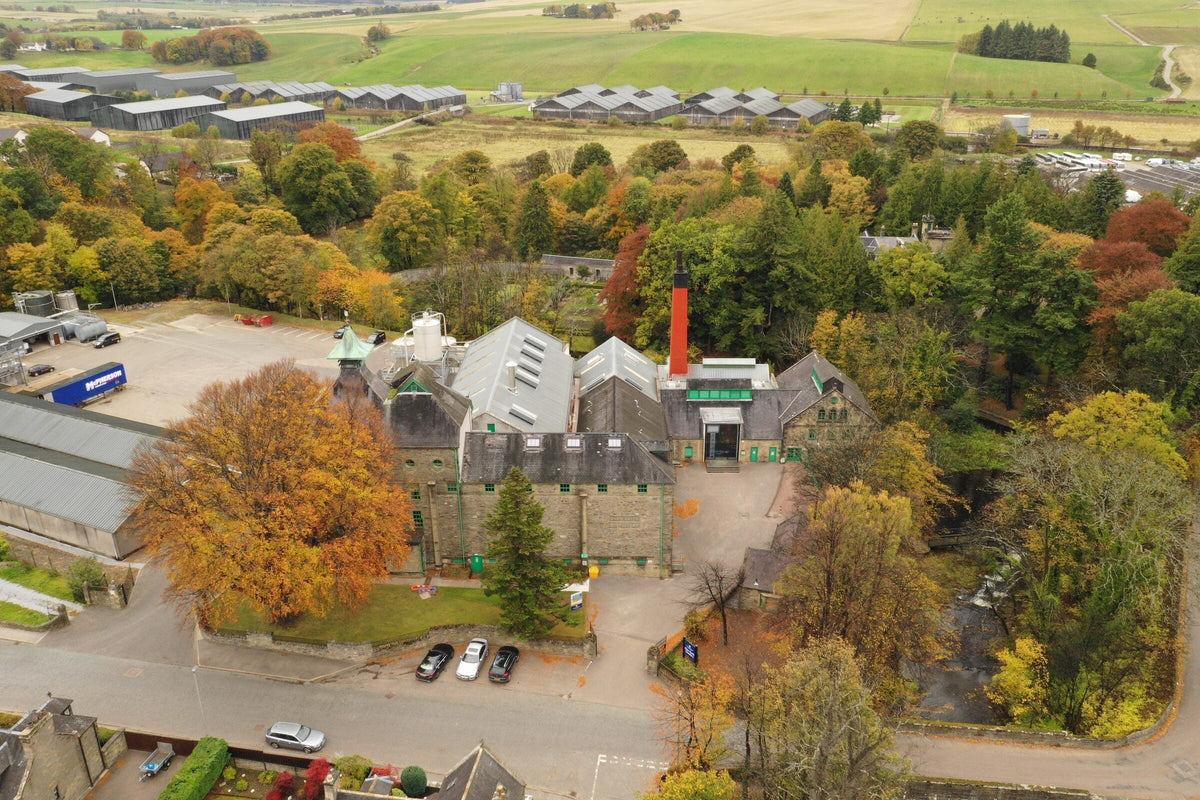
Glen Keith from above
Glen Keith turns nobody away at a gate, because there is no gate for visitors to knock on. Our drone gave us the view most people never get: the low, unglamorous production sheds sitting a short walk from Strathisla's picture-postcard pagodas, a reminder that the two distilleries are practically neighbours even though only one of them wants your custom.
History of Glen Keith
Glen Keith exists because Seagram's Sam Bronfman wanted more malt for Chivas Regal, Passport and 100 Pipers than his existing distilleries could supply. In 1957 the company bought a former corn mill on the River Isla in the town of Keith, a stone's throw from the much older Strathisla distillery, and construction ran through to 1958, with some sources putting final completion as late as 1960. Whichever date you take, it earned a genuine footnote in Scotch whisky history: the first new distillery built in Speyside since the industry's near-death experience in the Pattison crash of 1898.
From the start, Seagram treated Glen Keith less like a brand and more like a workshop. It began life with three stills running triple distillation, an old-fashioned method rarely used in Scotland even then, before switching permanently to double distillation in 1970 with the addition of two more stills. That same conversion brought what is widely reported as the first gas-fired stills in Scotland, itself a small piece of industrial history, followed a few years later by a shift to steam coils. Seagram also used the site to trial different yeast strains and mashing regimes, and for a stretch the distillery even made its own heavily peated malt, marketed as Glenisla, a world away from the gentle spirit for which Glen Keith is known today.
The whisky boom that justified all this experimentation did not last. Glen Keith was mothballed in 1999 as the industry cut capacity across the board, and it stayed silent for fourteen years, changing hands on paper when Pernod Ricard bought Chivas Brothers' parent group in 2001 but not distilling a drop. The revival came in 2013, when Chivas reopened Glen Keith after a substantial rebuild that replaced the mash tun and washbacks and pushed capacity up to around six million litres a year, a scale that puts it among the larger distilleries on Speyside even though it remains almost invisible to the public. It is worth remembering, when you taste a bottle, that you are drinking either pre-1999 stock that has had two decades or more to mature, or spirit made no earlier than 2013: there is a real gap in the middle where almost nothing was laid down.
How Glen Keith makes its whisky
Modern Glen Keith is built for clean, reliable blending malt rather than character for its own sake, but the process still has some individual touches. Water for both mashing and cooling comes from springs on Balloch Hill above the town, backed up by the River Isla, which once turned the mill wheel on the same site long before whisky arrived. Malted barley, unpeated since the 2013 restart, is mashed in a stainless-steel lauter tun, and fermentation runs a substantial 55 hours or so through fifteen washbacks, a mix of older Oregon pine vessels and newer stainless steel, a longer ferment than many blending-focused distilleries bother with, and one that pushes the wash towards the fruity, estery character the make is known for.
The still house holds six stills in three matched pairs: onion-shaped wash stills feeding tall, narrow-necked spirit stills, a shape that encourages plenty of copper contact and keeps the spirit light. Distillation is entirely double now, the triple-distillation years long behind it, and the new make goes overwhelmingly into casks destined for Chivas Brothers' blending stock. It is not an exaggeration to say that most Glen Keith made in the last decade will never see a single malt label at all.
What does Glen Keith taste like?
Young Glen Keith is a textbook gentle Speysider: crisp green apple and pear, a light honeyed sweetness, soft vanilla and a touch of grassy freshness, with barely any rough edges to sand down. It is precisely the kind of spirit a blender wants, easy to live with and happy to sit quietly under bigger flavours, and on its own it makes an easy-drinking, unchallenging dram rather than a showstopper. Older Glen Keith, the pre-1999 stock that has occasionally surfaced through independent bottlers, tends to pick up more tropical fruit and a rounder, more textured sweetness as the years pass, closer to the fruit-forward end of the Speyside spectrum, though supply of anything genuinely old is scarce enough that generalising with confidence is difficult.
The historic Glenisla peated spirit is a curiosity rather than something you are likely to taste today. A handful of bottlings exist under that name from independent bottlers who picked up stock decades ago, and they show a smokier, heavier side of the distillery that the current unpeated regime has left behind entirely.
Glen Keith and independent bottlers
Because official single malt releases have always been the exception rather than the rule at Glen Keith, bottled once in the 1990s as a 10 year old and again as a "1983" vintage, then largely left alone until a Distillery Edition appeared in 2017 alongside an occasional older Secret Speyside Collection release, independent bottlers have quietly done most of the work of keeping the name in circulation. Signatory Vintage, Douglas Laing and Gordon & MacPhail have all released Glen Keith over the years, sometimes at striking ages: 36 and 40 year old expressions exist from stock laid down long before the 1999 closure. Whiskybase records several hundred independent Glen Keith bottlings in total, a reasonable number for a distillery with no real single malt marketing budget behind it.
Supply from the current, post-2013 production is only just starting to reach an age where independent casks make commercial sense, so most of what circulates still comes from the pre-closure stock, and that pool only gets smaller. The pattern will be familiar to anyone who follows dedicated blending distilleries like Glentauchers or Auchroisk: the owner needs the spirit for blends, not for a shelf of its own, so casks move through brokers rather than distillery shops, and an independent bottling is often the only realistic way to taste it as itself.
The Single Cask and Glen Keith
We have bottled Glen Keith once, a 20 year old from cask 171225, distilled in 1995 and matured to a natural strength of 45.8%. It is a clear illustration of what patient ageing does for this make: apple turnover, honey and a touch of jammy orange on the nose, brown sugar, black pepper and a cardamom spiciness with cider apple on the palate, and a finish that stays enjoyably spicy long after the glass is empty. This is not a whisky that leans on smoke or heavy sherry to make its case; it earns its complexity from two decades of quiet maturation on a spirit that started out light and clean.
That cask is currently out of stock, and we want to be straightforward about that rather than talk around it. Given how thin the gap-year stock of Glen Keith is, and how recently the post-2013 production has started reaching bottling age, we do not have another cask of this distillery in the cellar right now. If one comes our way, whether from the pre-1999 stock or the newer production reaching a sensible age, our mailing list will hear about it before anyone else, and in the meantime we are always happy to talk through what a Glen Keith cask would likely cost and taste like based on what we know of the distillery's history.

Collectability and cask ownership
Glen Keith is not a name that turns up often in auction headlines, and it is unlikely to start now. The distillery's fourteen-year silent period has created real scarcity in older stock, which gives well-documented pre-1999 casks and bottlings a certain rarity value among collectors who specialise in gap-year distilleries, but this is a niche interest rather than a broad market, and prices reflect that: steady rather than spectacular. The post-2013 production is still too young to have built any track record at all as a collectable in its own right.
For a cask buyer, that combination cuts both ways. On one hand, a distillery with no real brand premium and no marketing machine behind it tends to be priced on the whisky rather than the label, which can make it good value if the liquid itself appeals to you. On the other, thin supply means you may simply not be able to find a cask when you want one, and a distillery with such a long production gap gives you less of a track record to lean on when judging how it will mature or how it might be received down the line. As with any cask, ownership involves risk and values can go down as well as up, and this is not financial advice. If cask format and maturation timelines are new territory, our guide to cask sizes and types is a sensible place to start before you commit to anything.
Glen Keith FAQs
Who owns Glen Keith distillery?
Chivas Brothers, the Scotch whisky arm of Pernod Ricard. Seagram built the distillery in 1957 to 1958, and ownership passed to Pernod Ricard when it bought Chivas Brothers' parent company in 2001.
Is Glen Keith peated?
No, not since it reopened in 2013. Before its 1999 closure the distillery also produced a heavily peated malt called Glenisla, which occasionally surfaces in old independent bottlings, but current production is entirely unpeated.
Can you visit Glen Keith distillery?
No, it has no visitor centre and is not open to the public. Chivas Brothers' visitor experience in Keith is at Strathisla distillery nearby, which does welcome tours.
Why was Glen Keith closed for so long?
It was mothballed in 1999 during an industry-wide cut in distilling capacity and did not reopen until 2013, after Chivas Brothers rebuilt the site with new equipment and roughly doubled its intended output.
What is Glen Keith whisky like?
Light, sweet and fruity, with green apple, pear, honey and vanilla in youth, and a rounder, more tropical character in well-aged casks from before the 1999 closure. It is a classic gentle Speyside blending malt.
Can you buy a cask of Glen Keith?
Rarely. Very little of the distillery's output has ever been sold as single malt, and the long 1999 to 2013 closure means older stock is scarce, while newer production is only now reaching an age where casks might realistically change hands. Ask us and we will tell you honestly what, if anything, is available.
Plan a bottling inspired by Glen Keith
We will be straightforward about what we actually know: casks of Glen Keith have reached the independent market before, ours among them, but they do so rarely. So little of what the distillery makes has ever left Chivas Brothers' own blending stock, and the fourteen years when nothing was being distilled at all have left a real gap in the pool of maturing casks. If one turns up through the broker market again, we will act on it, but we would not want you planning a bottling project around the assumption that a named Glen Keith cask will be there when you need it.
What we can do is help you find something with a genuinely comparable character: another light, gentle, fruit-and-honey Speyside make built for exactly the kind of clean, versatile spirit that suits a private label, a company gift, a wedding bottling or a hospitality launch. Distilleries like Glentauchers, Auchroisk and Longmorn share enough of that DNA that a well-chosen alternative cask can deliver the flavour profile you are after even when the name on the label is different.
If you are planning a real bottling project, whether for a drinks brand, a retailer, a hospitality business, a company gift, a whisky club, an event or simply your own private label, tell us the flavour or style you are chasing, roughly how many bottles you need, your approximate budget, your preferred bottling date, who the whisky is for, and whether you will want help with naming, labels, storage or the bottling run itself. We can then give you an honest view of what is realistically available, suggest alternatives when a named distillery like Glen Keith is not, indicate the bottle yield you can expect from a given cask, set out the main costs and stages involved, and map a practical route from choosing a cask to holding finished bottles in your hand.
Start with our guide to buying a whisky cask or our page on private label whisky if a branded bottling is the goal, look at four steps to bottling your own whisky for the practical outline, and when you are ready, get in touch and we will talk it through properly.
Work with The Single Cask
Buy a whisky cask, bottle under your own label, or store casks in our HMRC approved bonded warehouse in Fife.
Read more
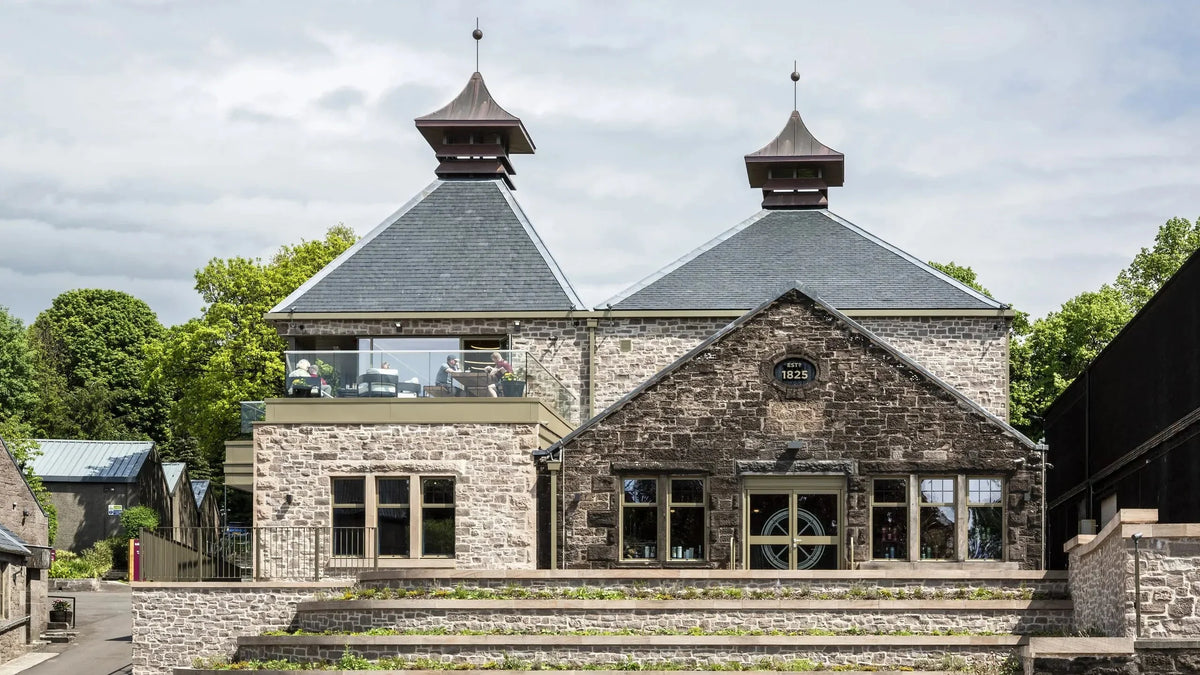
Glencadam Distillery: The Highland Malt That Waited 200 Years
Founded in 1825 and quietly run by Angus Dundee since 2003, Glencadam only opened its doors to visitors in 2025. We look at the East Highland distillery's floral, creamy style, the single cask we b...
Read more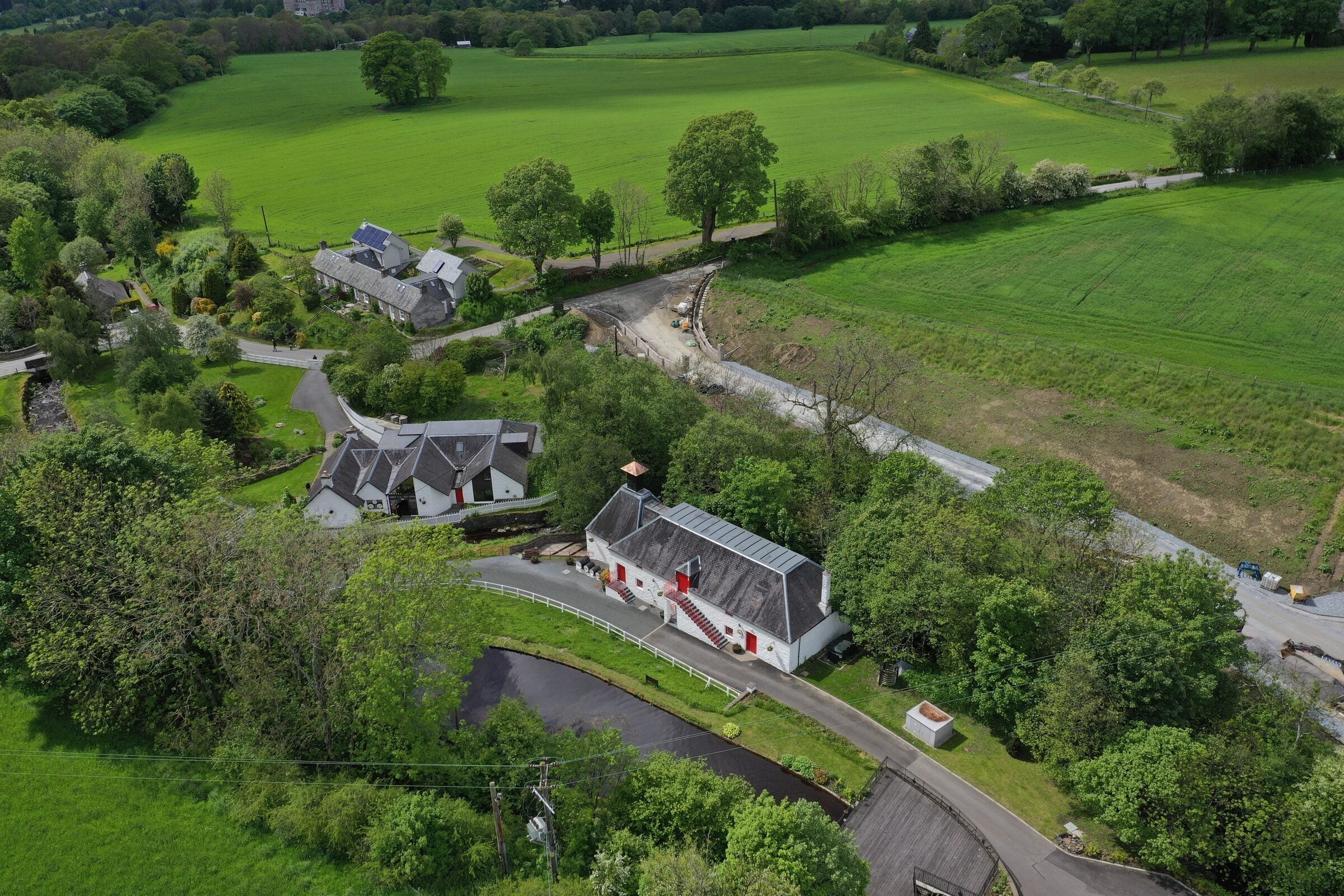
Edradour Distillery: The Smallest Distillery Owned by an Independent Bottler
Edradour, tucked outside Pitlochry, was Scotland's smallest traditional distillery for decades, and since 2002 it has belonged not to a drinks giant but to Signatory Vintage, one of the country's b...
Read more


