
Mannochmore Distillery: The Quiet Speysider Behind the Black Whisky
Every distillery has a claim to fame. Mannochmore's is that it once made the most notorious whisky in Scotland: Loch Dhu, "The Black Whisky", a dram so dark it was routinely mistaken for cola and so divisive that bottles which struggled to sell at £25 in the late 1990s now change hands for hundreds of pounds at auction. It is a strange legacy for one of Speyside's quietest and most capable distilleries, and it tells you almost nothing about what Mannochmore actually does well.
What it does well is make light, flower-and-orchard-fruit spirit of exactly the kind blenders prize, in serious volume, from a functional 1970s plant in the woods at Thomshill, south of Elgin. Official bottlings are scarce, which makes independent releases the main way in, and we know this make better than most, having bottled more than a dozen casks of it. Here is the full story.
Mannochmore at a glance
| Region | Speyside, at Thomshill, a few miles south of Elgin |
| Founded | 1971, by Scottish Malt Distillers (DCL) for the John Haig & Co blends |
| Owner | Diageo |
| Capacity | Around 6 million litres of pure alcohol a year since the 2013 upgrade |
| Stills | Six: three wash, three spirit, with tall necks and long lyne arms |
| Water source | The Bardon Burn |
| Fermentation | Long: typically quoted at 65 to 100 hours |
| Malt spec | Unpeated |
| Style | Light, floral and grassy, with green apple and citrus |
| Visitor centre | No: a working production site, not open to the public |
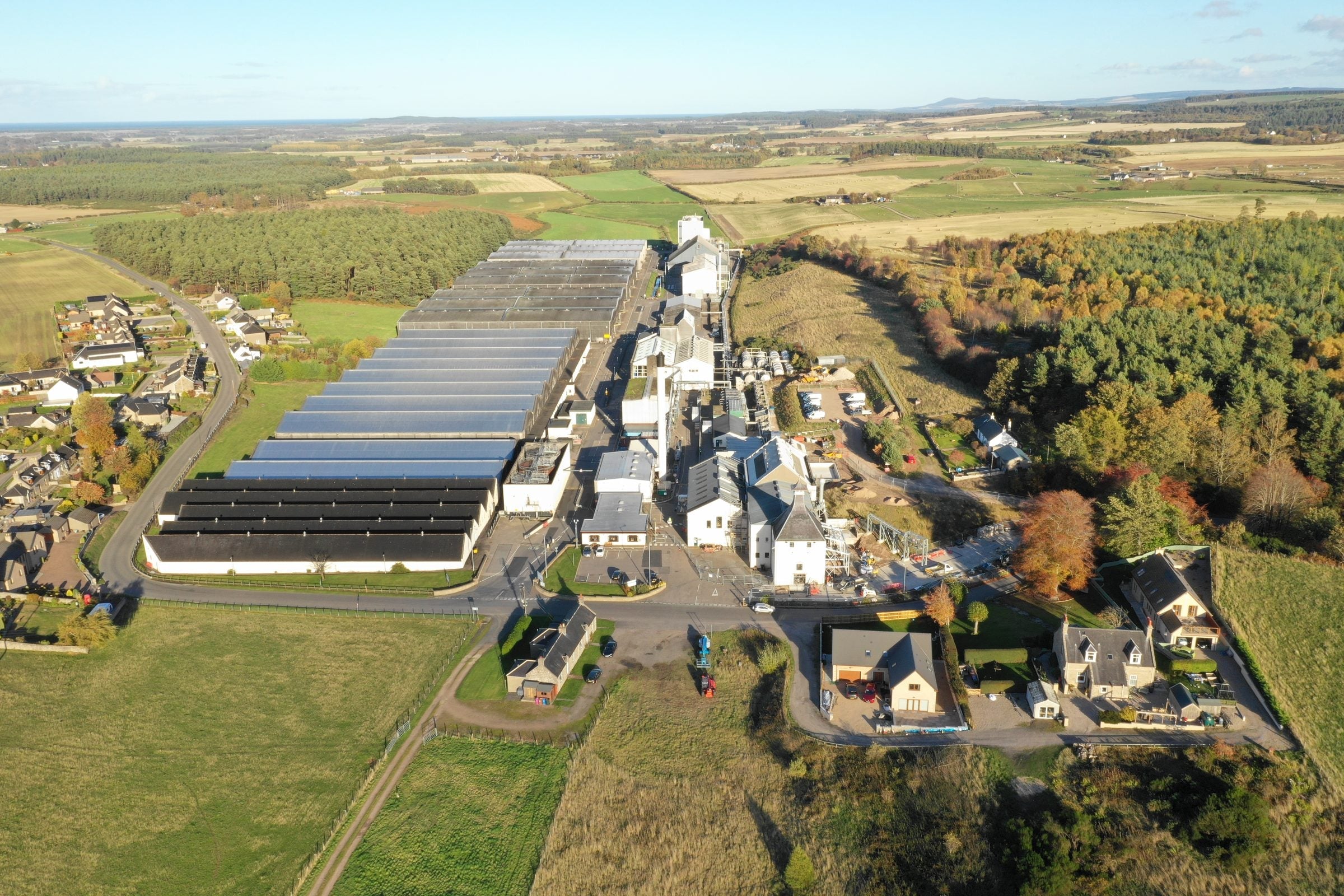
Mannochmore from above
Mannochmore has no visitor centre and sits well back from the road in the woods at Thomshill, so hardly anyone outside the trade has ever seen it properly. We sent our drone up to fix that: the still house, the warehouse ranges it shares with Glenlossie next door, and the sheer working scale of a distillery most whisky drinkers have never laid eyes on.
History of Mannochmore
Mannochmore belongs to a distinct generation of Scottish distilleries: the big, efficient plants thrown up in the late 1960s and early 1970s to feed a blended whisky market that seemed, at the time, to have no ceiling. Scottish Malt Distillers, the production arm of the mighty Distillers Company Limited, built it in 1971 in the grounds of Glenlossie, a Victorian distillery dating from 1876 that had been quietly supplying blenders for almost a century. The new plant took its name, most likely, from the Mannoch Hill above the site, and its purpose was never in doubt: filling for John Haig & Co, whose Haig Gold Label was for decades one of Britain's best-selling whiskies, and whose dimpled-bottle deluxe blend, Dimple, still sells strongly around the world.
The ceiling turned out to exist after all. When the industry's over-production caught up with it in the early 1980s, during the era of the so-called whisky loch, Mannochmore was one of the many casualties, falling silent in 1985. It was luckier than most: while sister plants were demolished or sold, Mannochmore reopened in 1989, and apart from a short pause in the mid-1990s it has run ever since. For most of its life it operated in tandem with Glenlossie next door, the two distilleries sharing a single workforce that alternated between them; only in the late 2000s did each site get its own dedicated crew running year-round.
In 1992 Mannochmore finally appeared as an official single malt, a 12 year old in Diageo's Flora & Fauna series. Then, in 1996, came the release that made the distillery briefly famous. Loch Dhu ("black loch" in Gaelic) was a 10 year old of an almost opaque, treacle-black colour, achieved (the company was never entirely forthcoming about the method) through heavily charred casks and a generous hand with spirit caramel. Critics were merciless, drinkers were baffled, and the whisky was quietly discontinued before the decade was out. And then something odd happened: scarcity did its work, curiosity became cult status, and Loch Dhu became one of those bottles collectors feel compelled to own precisely because of its reputation. Full-size bottles now regularly fetch several hundred pounds at auction: a better return, its defenders point out, than many far more respectable malts of the same era.
The last major chapter is less colourful but more consequential. In 2013 Diageo took Mannochmore offline for the best part of a year and rebuilt its production capacity, roughly doubling output to around six million litres of pure alcohol annually. The site today is one of Diageo's important Speyside hubs: alongside the two distilleries sit a vast warehouse complex holding casks from distilleries across the region, and a dark grains plant that turns draff and pot ale from around twenty distilleries into cattle feed. Unglamorous, essential, and very Mannochmore.
How Mannochmore makes its whisky
Everything at Mannochmore is set up to make a light, clean, estery spirit, and the recipe for that style runs right through the process. The water comes from the Bardon Burn. The malt is unpeated. An eleven-to-twelve-tonne mash tun feeds a fermentation regime that is, by industry standards, remarkably unhurried: the wooden washbacks (eight larch vessels of around 54,000 litres, supplemented by a further bank of stainless steel washbacks outside) are given anywhere from 65 to 100 hours. Long after the yeast has finished its main work, the wash sits developing the fruity, grassy complexity that blenders buy Mannochmore for.
The six stills carry the same logic. Tall necks and long lyne arms mean plenty of copper contact and plenty of reflux; heavier compounds fall back, and what carries over is delicate and green. New make comes off the stills at around 65 to 66 per cent and goes to cask, overwhelmingly refill wood, because the destination for nearly all of it is Diageo's blending inventory, where Mannochmore quietly underpins Haig and Dimple as it has for half a century.
It is worth pausing on what that means for whisky drinkers. Blend-filling distilleries are sometimes dismissed as second-tier, but the opposite conclusion is fairer: a make that blenders rely on decade after decade has to be consistent, clean and characterful, and those same qualities are exactly what you want in a single cask. The difference is simply that nobody has spent money telling you so.
What does Mannochmore taste like?
Fresh from the still and in refill wood, Mannochmore is a textbook light Speysider: cut grass and flower stems, green apple, pear and lemon, a soft malty sweetness and a clean, slightly dry finish. Age fills it out: the delicate fruits gain weight, honey and vanilla arrive from the oak, but the make never loses its essentially airy, spring-like character.
What makes it particularly interesting to an independent bottler is how well that light spirit takes an active cask. Because the distillate carries no peat and no heavy congeners, a first fill wine barrel has a blank canvas to work on, and the results can be dramatic: port casks lay dark berry fruit and winter spice over the grassy core, madeira brings baked apple and nutty sweetness, and the tension between rich cask and delicate spirit is what gives well-chosen Mannochmore its charm. Badly chosen wood would simply flatten it, which is why cask selection matters more here than at most distilleries.
Mannochmore and independent bottlers
Official Mannochmore is genuinely rare. The Flora & Fauna 12 year old remains the only standing distillery bottling, joined over the years by a couple of Rare Malts editions, an occasional Special Release and the infamous Loch Dhu. That leaves the field to the independents, and the sector has served Mannochmore well: Gordon & MacPhail, Signatory and the Scotch Malt Whisky Society have all released well-regarded casks, and the make has a quiet following among drinkers who have learned that unfashionable blending malts are where the value hides.
Speyside neighbours with a similar profile tell the same story. Like Glentauchers, another blender's workhorse we have written about, Mannochmore offers quality that its price does not yet reflect, a situation that rarely lasts forever in whisky. And as with Dalmunach, the scarcity of official bottlings means independent releases effectively are the distillery's single malt reputation.
The Single Cask and Mannochmore
We have bottled more Mannochmore than almost any other distillery on our shelves (over a dozen casks), so this is a make we can describe first-hand rather than from a book.
Our first was cask 1387, a 10 year old distilled in 2009 and matured in ex-bourbon wood, bottled at a cask strength of 55.3% for our Signature Series. Ex-bourbon is the honest way to meet Mannochmore: nothing between you and the distillate but vanilla and honeyed oak, all orchard fruit and fresh-cut grass.
Then, in 2022, came the project we are still best known for among Mannochmore fans: a remarkable family of sister casks from the 2012 vintage, bottled at nine years old. Casks 12486 through 12494 were a parcel of wine barrels (first fill ruby port, tawny port and madeira, with an oloroso in the mix) filled with the same season's spirit and bottled side by side, most at cask strengths in the mid-50s. Tasting across the range was a masterclass in what wood does to whisky: identical spirit, wildly different drams, from portly dark-berry richness to honeyed madeira warmth. We released them across our Signature and Family Series, and they have been finding their way into whisky flights and tastings ever since precisely because the comparison is so instructive.
A few bottles remain. Cask 12486C, a nine year old from a first fill ruby port barrel at 54.6%, is available now at £75, and odd last bottles of its siblings surface in our store from time to time. If you want to understand cask influence with a glass in your hand, this is the distillery to do it with.

Collectability and cask ownership
Mannochmore is not a trophy distillery, and its auction market reflects that: with the singular exception of Loch Dhu, whose bottles have multiplied their issue price many times over, most Mannochmore trades at modest, drinker-friendly prices. That is precisely its appeal from a cask perspective. Casks of Mannochmore, when they appear, are priced as blending stock rather than as luxury goods, and the spirit's proven affinity for active wine casks gives an owner genuine scope to shape the final whisky rather than simply waiting on a brand name.
The honest counterweight: Mannochmore has little single malt brand recognition, and an eventual bottling will sell on its quality and presentation rather than on the distillery's fame. Values depend on the whisky, the wood and the market when the time comes. As with any cask, ownership involves risk and values can go down as well as up: this is not financial advice. If you are weighing up a purchase, start with our guide to cask sizes and types, and ask us what we would genuinely pay for the liquid; we bottle this make, so we have a view.
Mannochmore FAQs
Who owns Mannochmore distillery?
Diageo. The distillery was built in 1971 by Scottish Malt Distillers, part of the Distillers Company Limited (DCL), which became part of United Distillers and then Diageo.
What is Loch Dhu, and why is it so expensive?
Loch Dhu was a jet-black 10 year old Mannochmore released in 1996 and discontinued before 2000. Mocked on release, it became a cult collectable once it disappeared, and full bottles now sell for several hundred pounds at auction.
Is Mannochmore peated?
No. Mannochmore distils an unpeated, light, floral Speyside spirit destined mainly for blends such as Haig and Dimple.
Can you visit Mannochmore distillery?
No. Mannochmore is a working production site with no visitor centre, sharing its Thomshill location with Glenlossie, a large warehouse complex and a dark grains plant. Our drone footage above is the closest most people will get.
What does Mannochmore taste like?
Light and floral, with cut grass, green apple, pear and citrus, gaining honey and vanilla with age. In active wine casks it takes on rich berry fruit while keeping its fresh core.
Can you buy a cask of Mannochmore?
Occasionally, yes. Mannochmore casks reach the independent market at accessible prices. Ask us and we will tell you honestly what is available and what it is worth.
Own a piece of Mannochmore
Mannochmore will never shout for your attention, and it has spent fifty years letting Haig and Dimple do the talking, but that reticence is exactly why it rewards the curious. The bottles are affordable, the casks are attainable, and the spirit is good enough that blenders have staked famous brands on it for half a century.
If that appeals, start with a bottle from our ruby port cask to taste what the distillery can do. And if you are curious about buying a whisky cask of your own, whether from Mannochmore or any distillery we work with, or about bottling a cask under your own label, get in touch. We will give you a straight answer about availability, cost and what the whisky is actually like, because we taste everything we sell.
Work with The Single Cask
Buy a whisky cask, bottle under your own label, or store casks in our HMRC approved bonded warehouse in Fife.
Read more
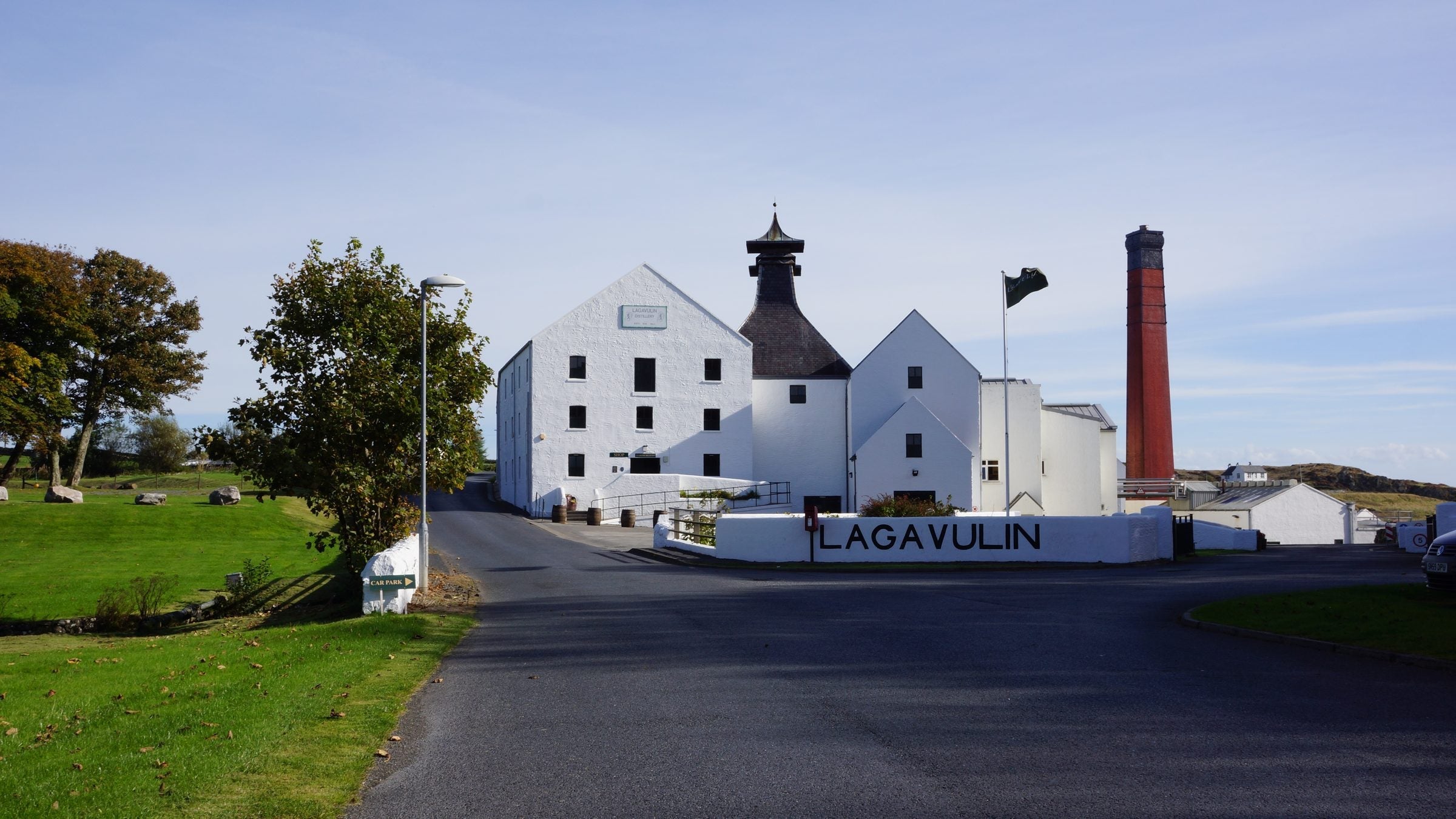
Lagavulin Distillery: Islay's Slow-Burning Legend
Lagavulin distils slower than anyone on Islay and makes you wait sixteen years for the result. Here is the full story of the Kildalton legend, and an honest answer to the question every cask buyer ...
Read more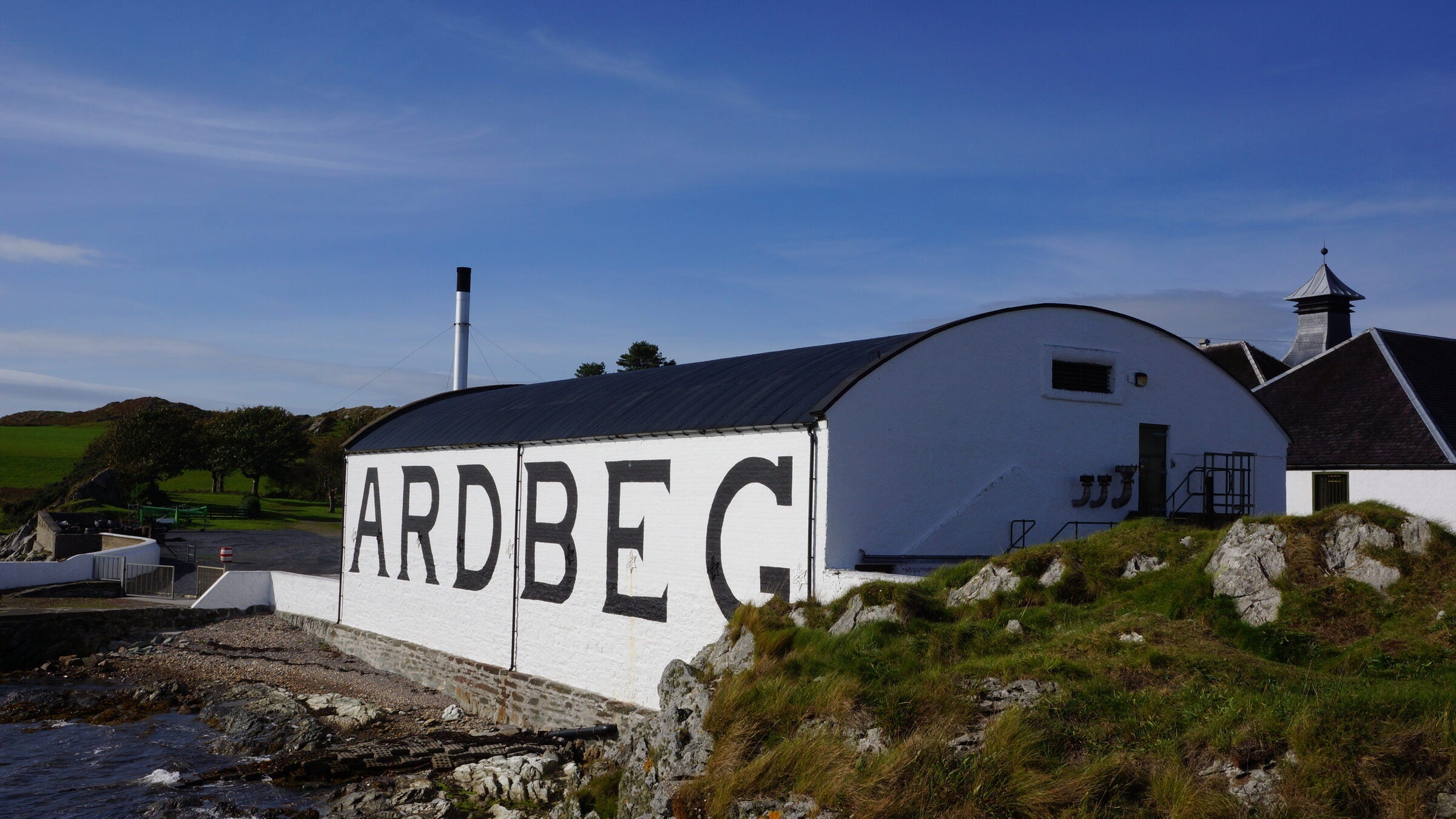
Ardbeg Distillery: The £16 Million Comeback
A single 1975 cask of Ardbeg sold for £16 million; the whole distillery cost £7 million in 1997. The full story of Islay's great comeback — how Ardbeg makes its citric, tarry whisky, why independen...
Read more


