
Strathclyde Distillery: The Grain Giant Behind Glasgow's Blends
Most whisky drinkers have never heard of Strathclyde, even though they have almost certainly drunk its spirit. Grain distilleries rarely get the attention malt distilleries do, but Strathclyde, running in Glasgow's Gorbals district since 1928, produces on a scale that dwarfs most of the single malt names on a bottle shop shelf.
Strathclyde at a glance
| Region | Gorbals, Glasgow |
| Founded | 1927, first spirit 1928 |
| Founder | Seager Evans and Co. |
| Owner | Pernod Ricard |
| Capacity | 40 million litres a year |
| Water source | Loch Katrine |

History of Strathclyde
Seager Evans and Co. founded Strathclyde in 1927, and the first spirit ran in 1928. Schenley Industries of New York acquired the company in 1956 and invested heavily in the site, adding a single malt distillery, Kinclaith, within the same complex in 1958, a rare case of a malt and grain distillery sharing one address. Whitbread later acquired the site, and the Kinclaith stills closed in 1975, leaving Strathclyde's grain production to continue alone. The distillery is now part of the Pernod Ricard group.

How Strathclyde makes its whisky
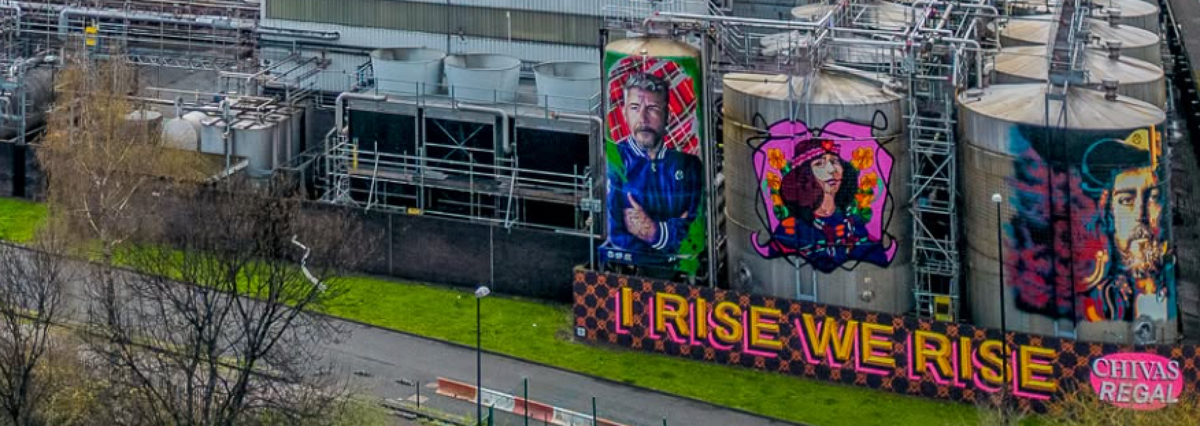
Strathclyde makes Plain British Spirit using a two-column system, an analyser and a rectifier, drawing its water from Loch Katrine. Its listed capacity of 40 million litres a year makes it one of the largest grain distilleries in Scotland, and the overwhelming majority of what it produces goes into blended Scotch rather than appearing under its own name. What little does reach drinkers directly tends to come from independent bottlers, who release aged single cask grain whiskies under the Strathclyde name for the small audience of collectors who specifically seek grain whisky out. Several of the site's grain storage tanks are also painted with large murals, including one for Chivas Regal, visible from a distance across this part of Glasgow.

Strathclyde and independent bottlers
Strathclyde is one of the more recognised grain whisky names among independent bottlings, precisely because so few grain distilleries get bottled as single casks at all. The Scotch Malt Whisky Society and several independent bottlers have released aged Strathclyde expressions, usually at an age where the grain spirit has picked up real character from long cask maturation, closer to a light Lowland malt than the neutral spirit most people associate with grain whisky.

Strathclyde and The Single Cask
We hold a genuine Strathclyde cask, cask 243368, a grain whisky with real depth from extended maturation. If you want to see for yourself how different a well-aged grain whisky can taste from what the word "grain" usually implies, this is a direct, traceable way to do it.
Plan a bottling inspired by Strathclyde
Strathclyde's story is really the story of most Scotch, the overwhelming majority of which is grain whisky bound for a blend, even though malt distilleries get almost all the attention. If a cask that shows that other side of the industry interests you, start with our whisky casks available page, or read about buying a whisky cask and the four steps to bottling your own whisky. For something under your own name, our private label whisky service covers that end to end. For more on Scotland's grain distilleries, see our guides to Girvan and Invergordon.
We hold a wide range of casks to sell to independent bottlers and private customers, drawn from many different distilleries, finished in a variety of wood types from sherry and port casks to bourbon and rum, with real differences in yeast and production style from one distillery to the next. If you are an independent bottler looking for stock, or you have always wanted a cask of your own, talk to us about what we currently hold in the warehouse, including our Strathclyde grain cask.
If you have questions about any of this, or about Strathclyde in particular, our contact page is the fastest way to reach us.
Frequently asked questions
Is Strathclyde a malt or grain distillery?
Grain. It briefly shared its site with a malt distillery, Kinclaith, from 1958 until Kinclaith closed in 1975, but Strathclyde itself has always produced grain spirit.
Who owns Strathclyde distillery now?
Pernod Ricard.
What is Strathclyde's whisky used for?
Mostly blended Scotch whisky. Independent bottlers occasionally release aged single cask grain expressions under the Strathclyde name.
How big is Strathclyde distillery?
Very large by malt distillery standards, with a listed capacity of 40 million litres a year.
Does aged grain whisky taste different from young grain spirit?
Yes. Extended cask maturation gives grain whisky real character, closer to a light Lowland malt than the neutral spirit most people associate with grain whisky.
Does The Single Cask sell a Strathclyde cask?
Yes, cask 243368, a genuinely aged grain whisky from this distillery.
Work with The Single Cask
Buy a whisky cask, bottle under your own label, or store casks in our HMRC approved bonded warehouse in Fife.
Read more
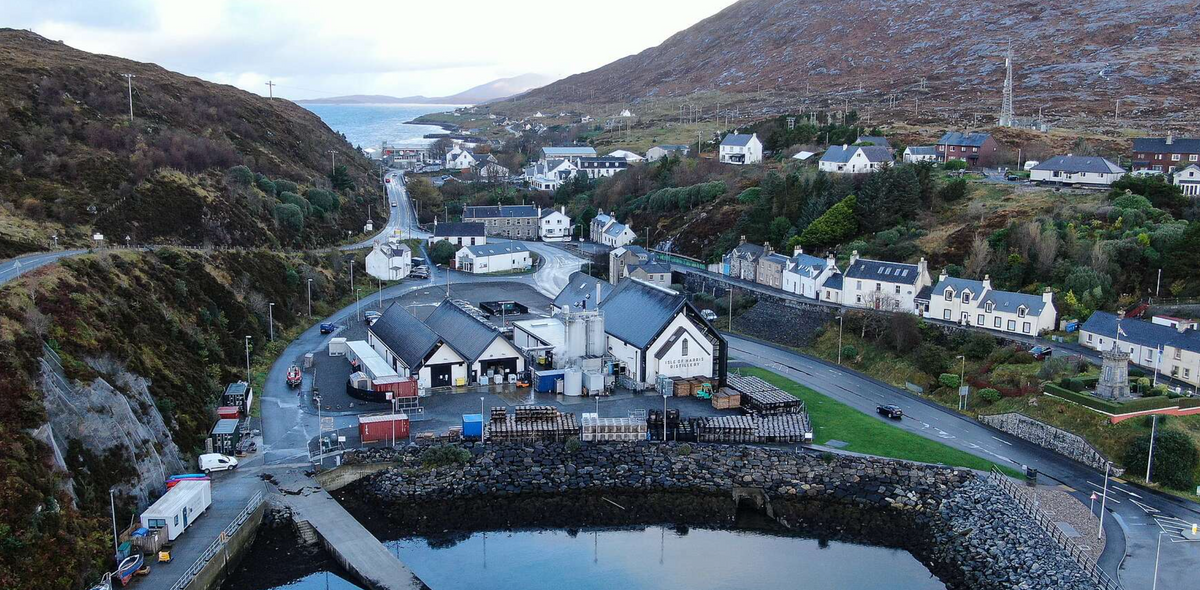
Isle of Harris Distillery: The Hearach Took Eight Years to Arrive
The Isle of Harris Distillery opened in 2015 as the first legal distillery ever built on Harris, but its single malt, The Hearach, did not appear until autumn 2023, eight years later.
Read more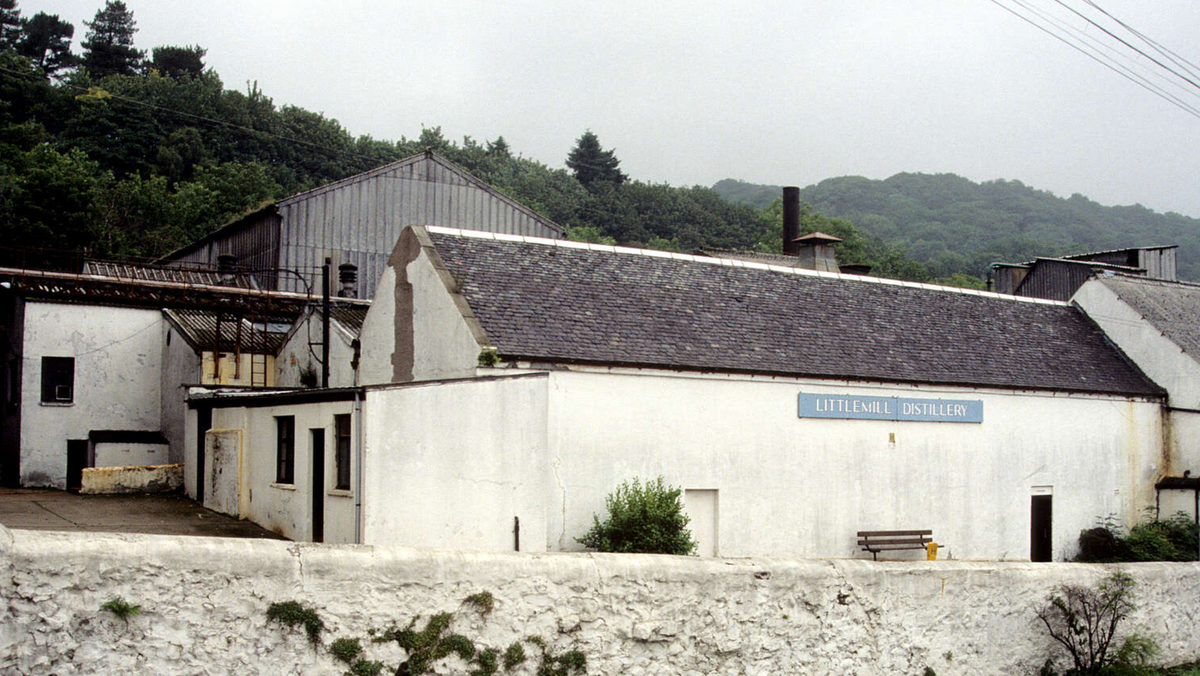
Littlemill Distillery: Scotland's Oldest Licensed Whisky Site, Burned to the Ground in 2004
Littlemill claims to be Scotland's oldest licensed distillery, dating to a 1772 date stone. It survived two world wars and multiple closures, only to be dismantled in 1997 and destroyed by fire in ...
Read more


