
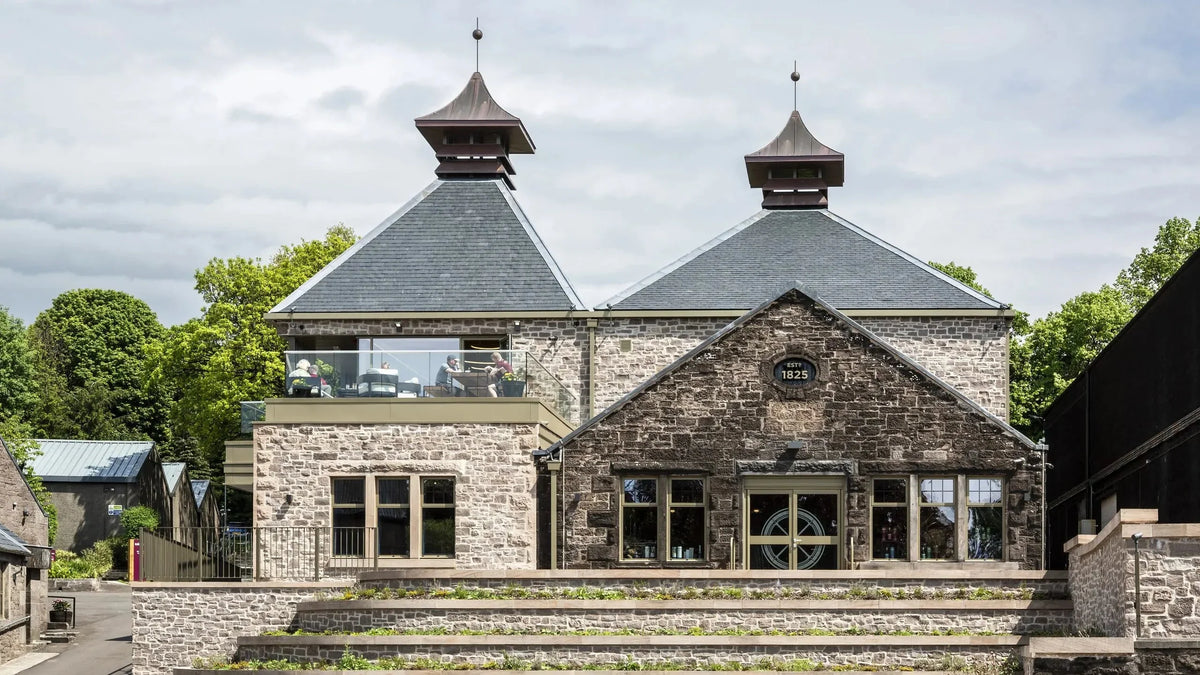
Glencadam Distillery: The Highland Malt That Waited 200 Years
For most of its two hundred years, Glencadam was the sort of distillery whisky people mentioned in passing rather than sought out. Then in 2025, to mark its bicentenary, it opened a visitor centre for the first time in its history. It is a fitting moment to take a proper look at a distillery that has quietly made good whisky in Brechin since 1825 without ever making much noise about it.
Glencadam sits just outside the town, half a mile from the River Esk, and it is owned today by Angus Dundee Distillers, a company that has kept it running steadily and largely out of the spotlight since 2003. For independent bottlers and cask buyers it is a distillery worth understanding properly, precisely because so few people have.
Glencadam at a glance
| Region | Highland (East Highland), Brechin, Angus |
| Founded | 1825 |
| Owner | Angus Dundee Distillers plc (since 2003) |
| Capacity | Reported at around 1.3 to 1.4 million litres of alcohol a year |
| Stills | One wash, one spirit, pear shaped with an unusual upward-angled lyne arm |
| Water source | Loch Lee and the River Esk system, with cooling water from the Barry Burn |
| Fermentation | Around 48 hours in six stainless steel washbacks |
| Malt spec | Unpeated |
| Style | Floral, fruity and creamy, pear drops and citrus over a soft, malty base |
| Visitor centre | Yes, opened in 2025 for the distillery's bicentenary |

History
Glencadam was founded in 1825, in the rush of legal distilling that followed the 1823 Excise Act, when it suddenly became worthwhile to build a proper distillery instead of running an illicit still. David Scott took on the tenancy from his father-in-law, George Cooper, on land just outside Brechin, and the two names are both associated with the distillery's founding depending on which account you read. What is not in dispute is the site: half a mile from the River Esk, on the edge of a market town in Angus, in whisky terms usually filed under the Eastern Highlands.
Ownership changed hands several times through the Victorian era before Gilmour, Thomson and Co took the distillery on in 1891. Under their ownership Glencadam became a component of Royal Blend, a whisky said to have been a favourite of King Edward VII, which is as good a piece of unverifiable pub trivia as any distillery could ask for. The twentieth century brought the pattern familiar to most surviving distilleries of this size: closures during both World Wars for barley rationing, a sale to the Canadian firm Hiram Walker in 1954, and absorption into the Ballantine's and then Allied Distillers stable through the following decades, with Glencadam's malt going largely into blends such as Stewart's Cream of the Barley.
Allied Domecq mothballed the distillery in 2000 as part of a wider industry response to oversupply, and Glencadam sat silent until Angus Dundee Distillers bought it in 2003 and had it back in production within two months. Angus Dundee, which also owns Tomintoul, has run Glencadam steadily ever since, building a proper single malt range where previously there had been almost none. In 2021 the distillery reinstated a nineteenth-century water wheel, a fourteen-foot, 1.9 tonne piece of engineering, more as a nod to its own history than as a working necessity. That same instinct culminated in 2025, when Glencadam marked its two hundredth birthday by opening a visitor centre for the first time, something most distilleries this old did decades ago.
How Glencadam makes its whisky
Water comes from Loch Lee, up at the head of the River Esk, and by most accounts it travels a genuinely long way to reach the distillery, sources differ on the exact distance, but all agree it is one of the more distant water supplies used by any working Scottish distillery. It is notably soft water, and Glencadam credits it directly for the creamy texture that runs through the whisky. Cooling water for the stills comes separately from the nearer Barry Burn.
The malt is unpeated, ground on an old purple-painted Porteus mill that the distillery has kept running rather than replaced, and mashed in batches of around five tonnes. Fermentation takes about 48 hours in six stainless steel washbacks, each holding 28,000 litres, which is a fairly standard fermentation time for a distillery producing this kind of light, fruity spirit.
The stills are where Glencadam gets genuinely distinctive. There is one wash still and one spirit still, each holding around 14,000 litres, pear shaped with a gooseneck that points upward at roughly fifteen degrees rather than running level or downward as most Scottish stills do. That upward angle forces more of the vapour to fall back and re-distil before it can pass into the condenser, a natural form of extra reflux, and it is a large part of why Glencadam's spirit comes off so light and floral. New make heads towards pear drops and citrus rather than anything heavier, which suits the ex-bourbon maturation the distillery favours for most of its range.
What does Glencadam taste like?
The core range, mostly bottled at 46% and largely matured in ex-bourbon casks, tells a fairly consistent story as it ages. Younger expressions lead with citrus, straw and cut grass, floral notes and a mineral edge, with butter and lemon on the palate and a honey and vanilla custard sweetness underneath. By 15 years the fruit calms into something more settled, still grassy and floral but rounder, with honey, toffee and vanilla balanced against gentle oak, the kind of whisky that reads as old-fashioned in a complimentary sense. Older expressions, into the low twenties, pick up tropical fruit and marmalade while keeping that same grassy, citrus backbone, with a peppery note from the oak by then.
The distillery also finishes some stock in port pipes and oloroso sherry casks, and the results lean fruitier and darker: redcurrant, blackberry and orange marmalade from the port wood, and grape juice, honey, mead and stewed pear from the oloroso, with a ginger warmth from the wood in both cases. Across the range the texture is the constant, that same soft-water creaminess turns up whether the whisky is eight years old or twenty five. It's a lighter, less showy style than the sherried Speyside heavyweights, closer in spirit to something like Glengoyne, unpeated and unhurried, built for texture rather than punch.
Glencadam and independent bottlers
Angus Dundee bottles a genuinely wide official range from Glencadam, ten expressions from 10 to 25 years old plus the wood finishes, and keeps a meaningful share of production for its own blends and for sister brand Tomintoul, which leaves less casks available to the open market than some Highland distilleries produce. That does not mean independent releases do not happen. Bottlers including Single Cask Nation and Single Malts of Scotland have put out single casks of Glencadam over the years, and we have bottled one ourselves, so the reality sits somewhere between rare and routine: casks do reach independents from time to time, just not often, and rarely in volume. It's a similar story at Royal Brackla, another Highland distillery whose whisky mostly disappears into blends before much of it reaches an independent bottler's warehouse.
It is also a distillery that has never had much of a cult following, which cuts both ways for anyone interested in it now. There is less competition for what stock does appear, but also less of a track record to lean on when judging what a given cask might be worth in the future.
The Single Cask and Glencadam
We bottled Glencadam from cask 800230, a hogshead filled in 2011 and released at eight years old at its natural cask strength of 47.0%, with an outturn of just seventeen bottles. Small casks like this are exactly why hogsheads are worth watching if you're weighing up your own bottling project, the wood-to-spirit ratio moves things along faster than a larger cask would, and at eight years the whisky already had real presence: malt, apricot and coffee on the nose with floral lift and a thread of cinnamon, then more malt and floral character on the palate alongside apricot, coffee bean, oak, almond and an unusual note of bay leaf, finishing with a medium length of malt, apricot, coffee and that same warm cinnamon spice.
That release is sold out now, seventeen bottles does not go far, and we are being straightforward about that rather than implying otherwise. It stands as a genuine first-hand example of what Glencadam can do in the right cask, and it is part of why we keep an eye out for it when casks from this distillery do come up.

Collectability and cask ownership
Glencadam is not a distillery with an established secondary market in the way that Macallan or the big Islay names are. Independent releases have been infrequent enough that there isn't much auction history to read, which makes it hard to point to a clear trend in either direction. What collectors who do pay attention tend to like about it is the combination of genuine age statements in the official range, up to 25 years, a house style that has stayed consistent, and a supply of casks to independents that is thin without being nonexistent.
None of that amounts to a prediction, and we would rather say that plainly than dress it up. Cask ownership involves risk, and the value of any cask can go down as well as up, this is not financial advice, only an honest account of what we know about how this particular distillery's whisky has traded so far. If you're new to the idea of owning a cask outright, our guide to whisky cask sizes and types is a useful starting point before you commit to anything.
Visiting
Glencadam only opened to visitors in 2025, after exactly two hundred years of not doing so, and the centre they built makes up for lost time. Tours run around ninety minutes and take in an exhibition on Brechin and the distillery's history, the production floor with its stills, washbacks and the reinstated water wheel, and both the original 1825 dunnage warehouses and the newer racked stores. There are tastings in an on-site Whisky Lounge, two fill-your-own bottling stations for cask-strength single malt, and a first-floor café looking out over the town. Angus Dundee has said further experiences are planned for 2026, so it is worth checking current tour options directly before visiting.
Glencadam FAQs
Who owns Glencadam distillery?
Angus Dundee Distillers plc, which bought the mothballed distillery in 2003 and has run it since, also owns Tomintoul.
Is Glencadam whisky peated?
No. Glencadam uses unpeated malt and its house style is built around floral, fruity and citrus notes rather than smoke.
Can you visit Glencadam distillery?
Yes, since 2025, when the distillery opened its first ever visitor centre to mark its bicentenary, with tours, tastings and fill-your-own bottling.
What does Glencadam whisky taste like?
Typically floral and fruity with citrus and pear drops, a creamy texture from the distillery's soft water, and honey and vanilla notes that deepen into toffee and marmalade with age.
Can you buy a cask of Glencadam?
Occasionally. Angus Dundee keeps most production for its own range and for blending, but casks have reached independent bottlers, including us, in the past. Ask us and we will tell you honestly what is realistically available.
Plan a bottling inspired by Glencadam
Glencadam casks are genuinely uncommon on the open market. Angus Dundee bottles a wide official range itself and keeps a good share of production for blending, so a named Glencadam cask is not something we can promise, and we are not going to pretend otherwise. It is not a case of the whisky being too expensive to reach, there just isn't much of it in circulation outside the distillery's own stock. What has happened before, with our own cask and with a handful of other independent releases, can happen again, so if a Glencadam cask is genuinely what you want, tell us and we will keep an honest eye out rather than promise something we can't deliver.
More often, the useful conversation is a slightly different one. If what draws you to Glencadam is that soft, floral, creamy East Highland style, we can point you towards other casks, from Glencadam's neighbours or from further afield, that share that character and are realistically available to buy right now. That is true whether you are planning a single cask for yourself or a full private label bottling for a brand, retailer, hospitality business, company, whisky club or event.
To get a useful answer from us, tell us what you're after: the flavour or distillery style you have in mind, roughly how many bottles you need, your approximate budget, a rough date you'd like to bottle by, who the whisky is for, and whether you'll need help with naming, labels, storage or the bottling itself. In return we'll give you an honest view of what's actually available, sensible alternatives if the exact distillery you had in mind is out of reach, a realistic estimate of bottle yield, the main costs and stages involved, and a practical route from choosing a cask through to finished bottles, drawing on our own independent bottling experience. Get in touch and we'll start with a straight answer.
Work with The Single Cask
Buy a whisky cask, bottle under your own label, or store casks in our HMRC approved bonded warehouse in Fife.
Read more
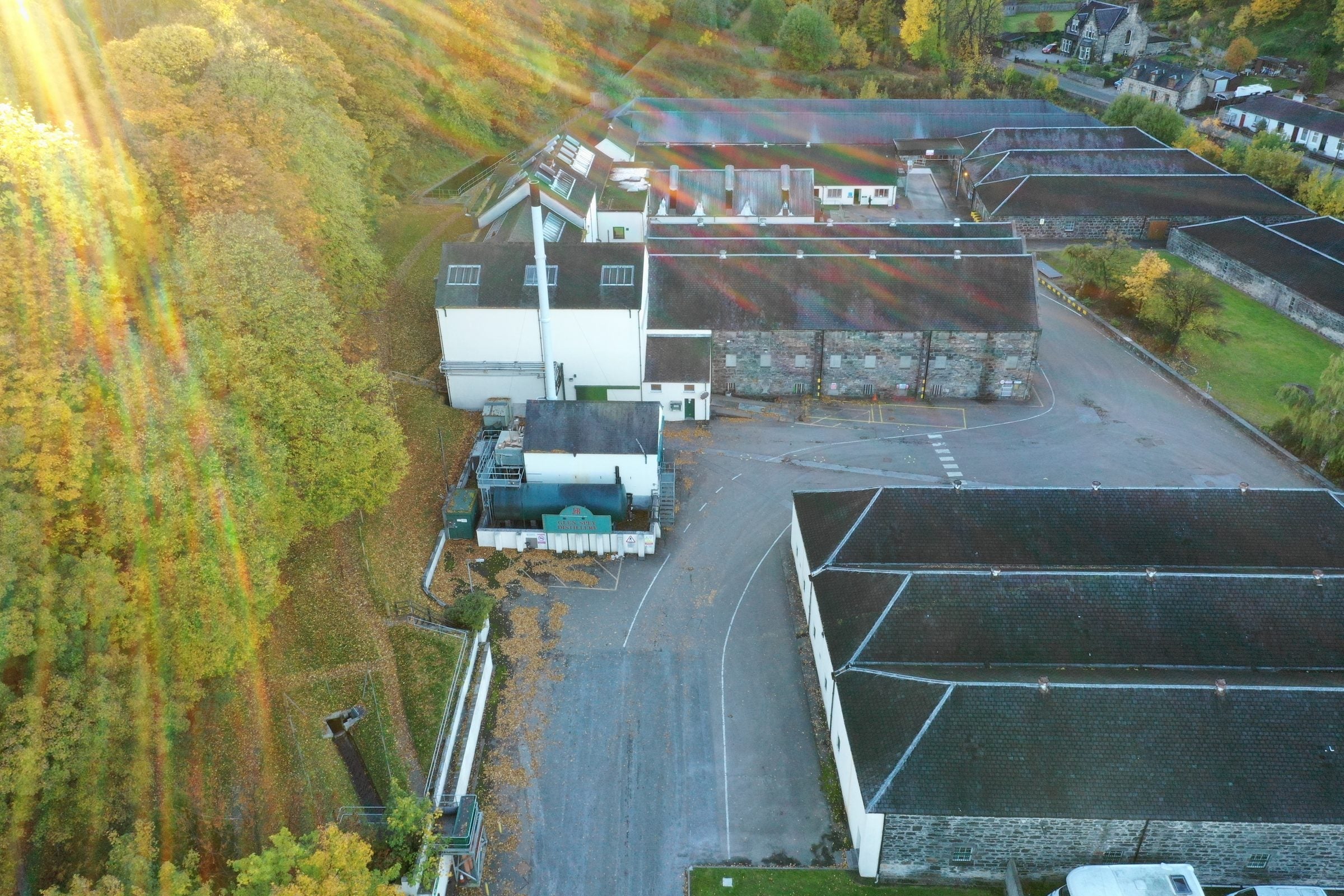
Glen Spey Distillery: The Oatmeal Mill That Still Feeds J&B
Glen Spey is one of five distilleries packed into Rothes, built from an old oatmeal mill and fitted with rare purifier stills that keep its spirit light enough for J&B. We bottled two casks fin...
Read more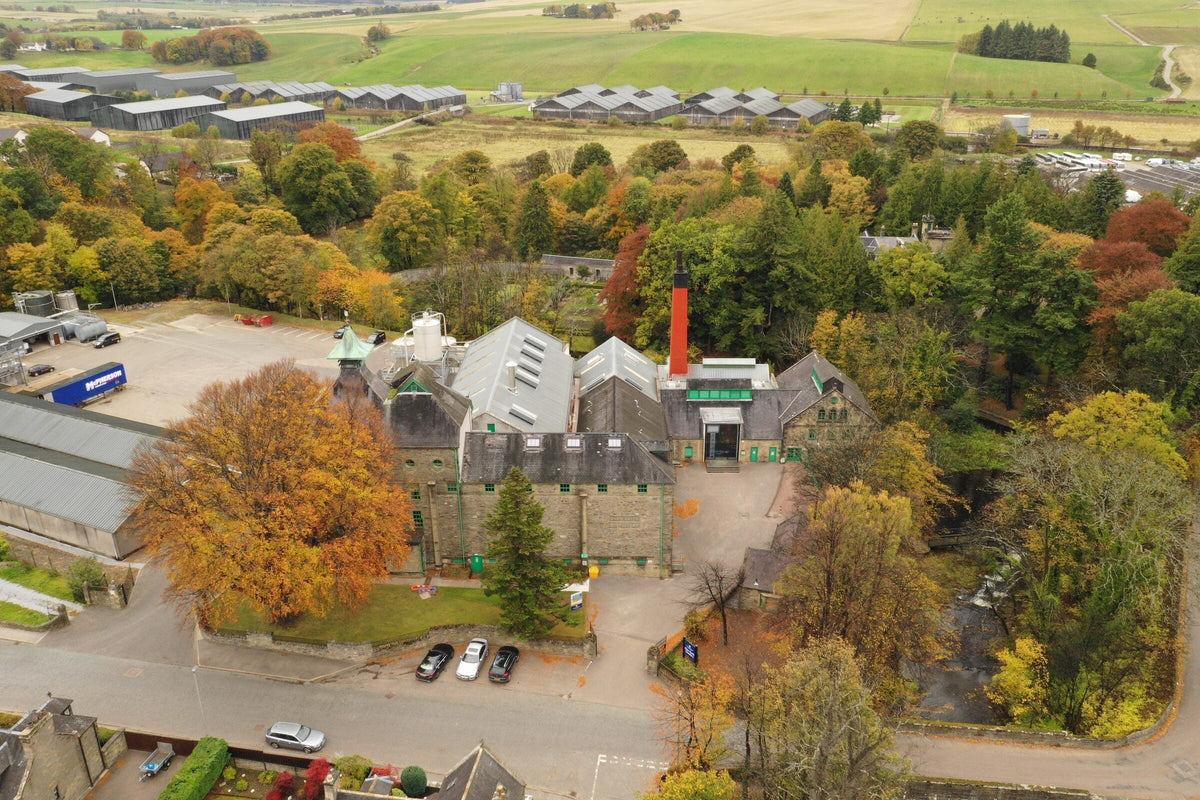
Glen Keith Distillery: Chivas Brothers' Own Laboratory
Glen Keith spent decades as Chivas Brothers' own experimental distillery, then sat silent for fourteen years. We bottled one of its rare aged casks ourselves, here is the full story of Speyside's q...
Read more


