
Oban Distillery: The Whisky That Built a Town
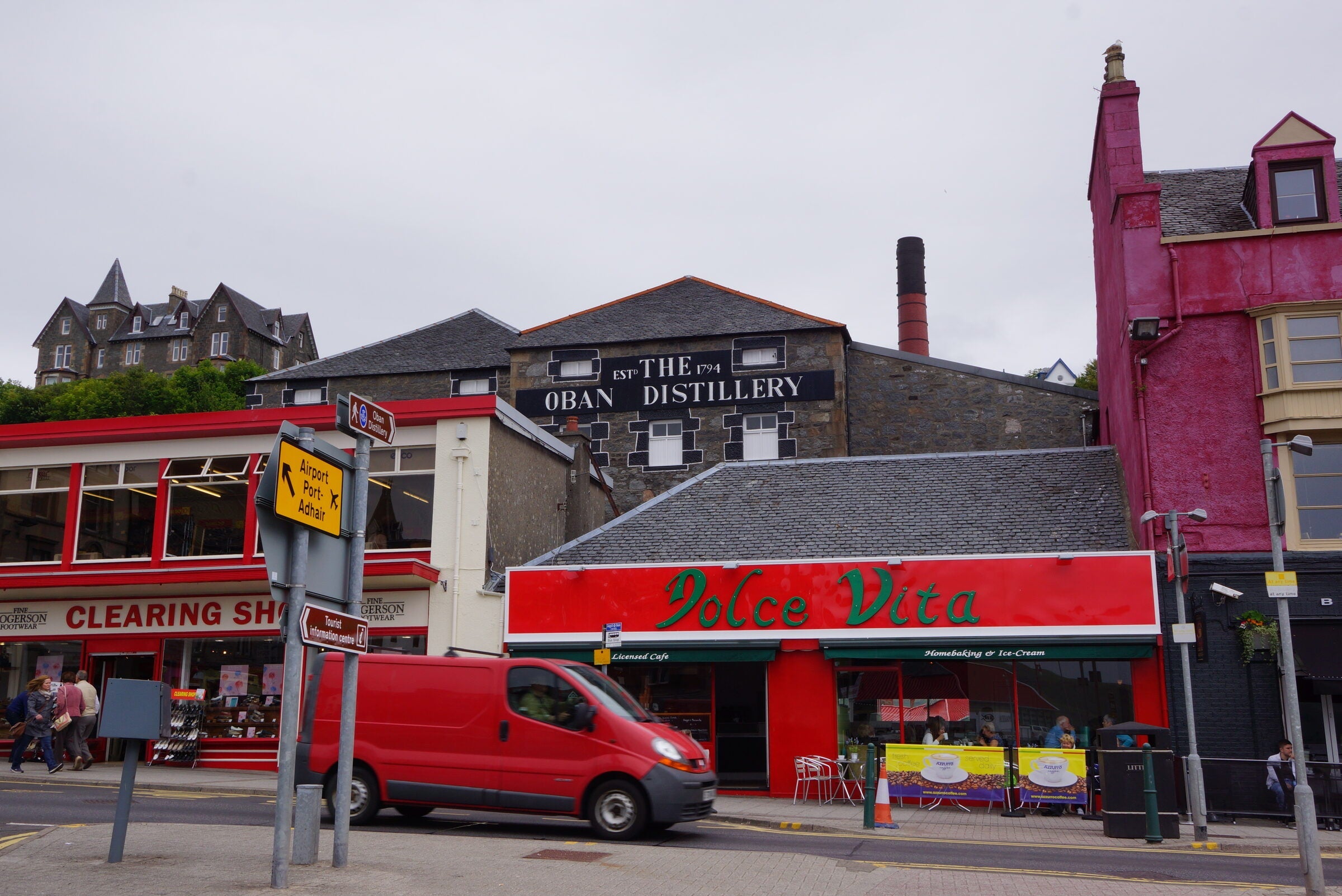
Oban is the rare case of a distillery that came first and a town that followed. When brothers John and Hugh Stevenson began building on this stretch of the Argyll coast in the 1790s, the handful of cottages around the bay barely amounted to a village; the busy harbour town that exists today grew up around their stillhouse. That is why the distillery now sits wedged into the middle of Oban itself, pressed hard against a cliff face at the back and the shopfronts of the high street at the front, with no room to grow in any direction.
That accident of geography has shaped everything about the whisky. With space for only two stills, Oban is one of the smallest distilleries in Diageo's entire estate, and its make has always been rationed. Almost every drop goes into the distillery's own bottlings, which is why you will almost never see an independent Oban, and why owning a cask of it is close to impossible. We will be straight with you about both below, because the story of this "West Highland" malt, caught somewhere between the smoke of the islands and the sweetness of the mainland, is still one every whisky drinker should know.
Oban at a glance
| Region | Highland (West Highland), on the harbour front in Oban, Argyll |
| Founded | 1794, by brothers John and Hugh Stevenson |
| Owner | Diageo (in the DCL/United Distillers family since 1925) |
| Capacity | Typically quoted at around 870,000 litres of pure alcohol a year |
| Stills | Two: one wash still (around 11,000 litres) and one spirit still (around 6,600 litres), lamp-glass shape |
| Water source | Loch Gleann a' Bhearraidh, in the hills above the town |
| Fermentation | Long, with figures from 60 up to around 110 hours quoted, in four wooden washbacks |
| Malt spec | Lightly peated |
| Style | West Highland: orange peel, honey, sea salt and a wisp of smoke |
| Visitor centre | Yes, open year round |

History of Oban
The Stevenson brothers were speculators in the best Georgian sense: slate quarriers, shipbuilders and house builders who saw the sheltered little bay, in Gaelic an t-Òban, "the little bay", as a business opportunity. They laid out streets, built a brewery on the site in 1793, and by 1794 had converted their attention to distilling. The town's own histories acknowledge the debt: Oban the port grew up around Oban the distillery, not the other way round. Hugh Stevenson's descendants ran the business until 1866, when local merchant Peter Cumstie bought it.
The most consequential owner of the Victorian era was James Walter Higgin, who took over in 1883 and rebuilt the cramped distillery almost stone by stone in the early 1890s while somehow keeping production going. The rebuild produced one of the strangest discoveries in whisky history. Blasting into the cliff behind the distillery to make room for a new warehouse, workers broke into a cave containing human remains, commonly reported as those of several adults and children, along with tools dating back thousands of years. The finds were significant enough that archaeologists later named a whole Mesolithic culture, the "Obanian", after the cave sites around the town, and material from the dig went to the national collections in Edinburgh. Not many distilleries can claim their warehouse displaced some of Scotland's earliest known inhabitants.
The railway reached Oban in the 1880s, opening southern markets, and in 1898 the distillery passed to the Speyside developer Alexander Edward, who paired it with Aultmore under the Oban & Aultmore-Glenlivet Distilleries company. The twentieth century followed a familiar Scottish arc: John Dewar & Sons bought the site in 1923, it folded into the Distillers Company Limited in 1925, and it sat silent through the depression years of 1931 to 1937 and again from 1969 to 1972, when a new stillhouse was built. The turning point came in 1988, when DCL's successor United Distillers chose Oban 14 as one of the six founding Classic Malts, the range that introduced a generation of drinkers to regional single malt. A visitor centre followed in 1989 in the old maltings, and when United Distillers became part of Diageo in 1997, tiny Oban found itself the smallest working distillery in the world's biggest drinks company, a distinction it has clung to, more or less, ever since.
How Oban makes its whisky
Everything at Oban is small and slow, partly by philosophy and mostly because the site allows nothing else. Soft water comes down from Loch Gleann a' Bhearraidh in the hills behind the town. The lightly peated malt is bought in from Diageo's central maltings, and each mash feeds just four wooden washbacks. Because there are only two stills to serve them, fermentations run long: the distillery's own figure is a minimum of around 60 hours, and runs left over quiet spells are quoted at up to 110 hours. Long fermentation is where Oban's orchard-fruit character is born.
The two stills are squat, lamp-glass shaped and modest in size, the wash still at around 11,000 litres and the spirit still smaller still. What happens after distillation is the distinctive part: the spirit vapour is condensed not in modern shell-and-tube condensers but in old-fashioned worm tubs on the roof, coils of copper pipe sitting in water that the distillery deliberately keeps warm, at around 45 to 50°C by most accounts. Worm tubs usually make for a heavy, meaty spirit because the vapour meets relatively little copper; running them warm slows condensation so the vapour spends longer against the copper walls, taking the sulphury edge off while keeping the texture and weight. It is a balancing act few distilleries attempt, and it is a large part of why Oban tastes like nowhere else: fruity and clean, yet with a saline, waxy grip underneath.
Maturation leans on refill and ex-bourbon American oak for the core 14-year-old, with sherry and other casks reserved for special editions. With output rationed and demand steady, almost nothing is allowed to wander: the make goes into Oban's own range, a little into blends, and effectively none into the open cask market.
What does Oban taste like?
The house style is usually described as the bridge between the islands and the Highlands, and for once the marketing shorthand is accurate. Oban 14, still the flagship, opens with dried orange peel, honey and malty sweetness, then turns coastal: sea salt, a squeeze of lemon, a soft wisp of peat smoke that suggests the seashore rather than the bonfire, and a long, slightly waxy finish. It is smokier than a Highland malt like Glenmorangie, yet far gentler than the peat monsters of Islay, closer in spirit to the peppery maritime style of Talisker, its fellow founding Classic Malt, but rounder and more honeyed.
Around the flagship sit a handful of regulars. Little Bay, introduced in 2014 and named for the town's Gaelic meaning, is a no-age-statement bottling part-matured in small casks for a richer, spicier profile. The annual Distillers Edition takes the 14-year-old spirit through a finish in Montilla Fino sherry casks, adding dry, nutty, saline notes that suit the make beautifully. Recent years have brought the odd curveball, from the Game of Thrones "Night's Watch" Oban Bay Reserve to an 11-year-old rum-cask Special Release, but the DNA, orange peel, honey, salt, smoke, runs through all of them.
Oban and independent bottlers
Here is the blunt truth: independently bottled Oban barely exists. Two small stills making well under a million litres a year, all of it needed for a permanently popular core range, leaves nothing for the broker market. Diageo does not sell Oban casks, there is no widely traded teaspooned trade name as there is for some other closely guarded distilleries, and the handful of independent Obans that do surface at auction are almost all bottlings from the late nineteenth or early twentieth century merchant era, antiques, in other words, priced accordingly.
For drinkers, that means the distillery's own range is realistically the only way to taste Oban. For collectors, it means any genuine independent bottling is a rarity worth a second look. And for anyone offered an "Oban cask", it should set alarm bells ringing, a point we will come back to below.
The Single Cask and Oban
We have never bottled an Oban, and we will not pretend otherwise. It is not for want of enthusiasm, since the West Highland style is one we love, but because casks of Oban simply do not reach the independent market. In more than a decade of buying single casks we have never once been offered one with credible provenance, which tells you most of what you need to know about the offers that do circulate.
What we can do is scratch the same itch from distilleries whose casks we can actually buy and taste. Ben Nevis up the coast at Fort William shares the west-coast weight and fruit and appears regularly in our bottlings, and coastal, lightly smoky single casks from elsewhere in Scotland pass across our tasting bench through the year. Every cask we bottle is chosen by taste, bottled at natural strength without chill filtration or colouring, and if you tell us the Oban profile is your target, we can point you at whatever in our current range gets closest. The fastest way is simply to get in touch and ask.
Collectability and cask ownership
Oban occupies an interesting corner of the collector's market. The core 14-year-old is widely available and not a collectable in itself, but the distillery's tiny output means limited editions genuinely are limited: the various Special Releases, the 21-year-old and 32-year-old editions, the Bicentenary bottling from 1994 and the older Distillers Editions all attract steady auction interest, helped by the brand's Classic Malts fame. This is a distillery whose scarcity is structural, not manufactured.
Cask ownership is another matter entirely. Because Diageo does not sell Oban casks to private buyers, there is effectively no legitimate open market in them, and any offer of one deserves forensic scrutiny of its provenance and the naming rights attached. Sadly, closely guarded distillery names are exactly where overpriced parcels and outright scams congregate. If you are considering cask ownership, from any distillery, start by understanding what you are actually buying: our plain-English guide to cask sizes and types is written for exactly that. And the standard caveat applies with extra force here: cask ownership involves risk, values can go down as well as up, and nothing on this page is financial advice.
Visiting Oban
Few distilleries are easier to visit and none is more woven into its town. The distillery stands just off the harbour front, a two-minute walk from the ferry terminal where the CalMac boats leave for Mull, Islay, Barra and the rest of the Hebrides; Oban styles itself the "gateway to the Isles", and the stillhouse sits at the gate. The visitor centre, opened in 1989 in the old maltings, runs tours and tastings year round, and the contrast between the Victorian buildings and the seagull-and-fish-and-chips bustle outside is half the charm. Pair it with the drive north to Ben Nevis at Fort William, or use the town as a springboard for the islands, and you have the makings of one of Scotland's great whisky journeys.
Oban FAQs
Who owns Oban distillery?
Diageo. The distillery has been in the same corporate family since John Dewar & Sons joined the Distillers Company Limited in 1925, which became United Distillers and then part of Diageo in 1997.
Is Oban whisky peated?
Lightly. Oban uses lightly peated malt, giving a gentle coastal smokiness, far subtler than an Islay malt, but noticeably smokier than most Highland whiskies.
What does "Oban" mean?
The name comes from the Gaelic an t-Òban, meaning "the little bay", which is also where the Little Bay bottling gets its name.
Why is Oban called a West Highland malt?
Its style sits between the smoky whiskies of the islands and the sweeter, fruitier malts of the mainland Highlands. The distillery's coastal position, light peating and warm worm-tub condensers combine to produce that in-between character.
Can you visit Oban distillery?
Yes. The visitor centre in the centre of town is open year round, with tours and tastings running most days. It is one of the most accessible distilleries in Scotland, right beside the harbour.
Can you buy a cask of Oban?
Realistically, no. Diageo does not sell Oban casks privately, and its small output leaves nothing for the open market. Treat any offer of an Oban cask with great caution, and ask us if you would like an honest second opinion.
Own a piece of Oban
An Oban cask of your own is, we are sorry to say, a long shot, and we would rather tell you that plainly than sell you a story. But the qualities that make Oban loved, the orchard fruit, the honey, the salt air and the whisper of smoke, are not unique to one crowded corner of Argyll. Casks with real west-coast character do come to market, at prices that make far more sense, and we taste every one before we buy.
If you are curious about buying a whisky cask, bottling one under your own label, or simply want to know which of our current single casks gets closest to the West Highland style, get in touch. We will give you a straight answer about what is worth your money, even when the answer is "not this one".
Work with The Single Cask
Buy a whisky cask, bottle under your own label, or store casks in our HMRC approved bonded warehouse in Fife.
Read more
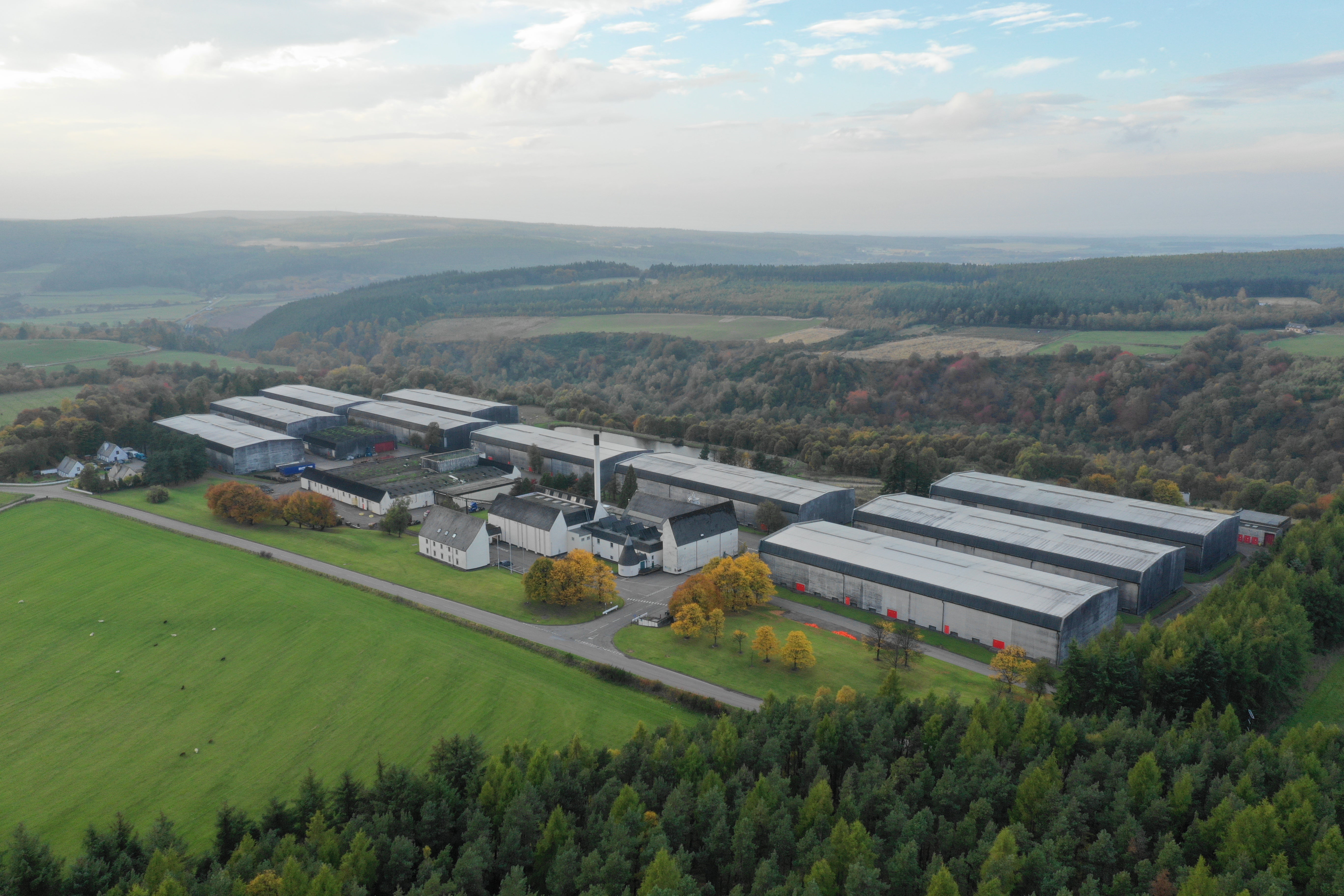
Auchroisk Distillery: The Speyside Malt Nobody Could Pronounce
Built to feed the J&B blend and rebranded as The Singleton because nobody could say its name, Auchroisk is one of Speyside's great unsung workhorses — and one of the distilleries we have bottle...
Read more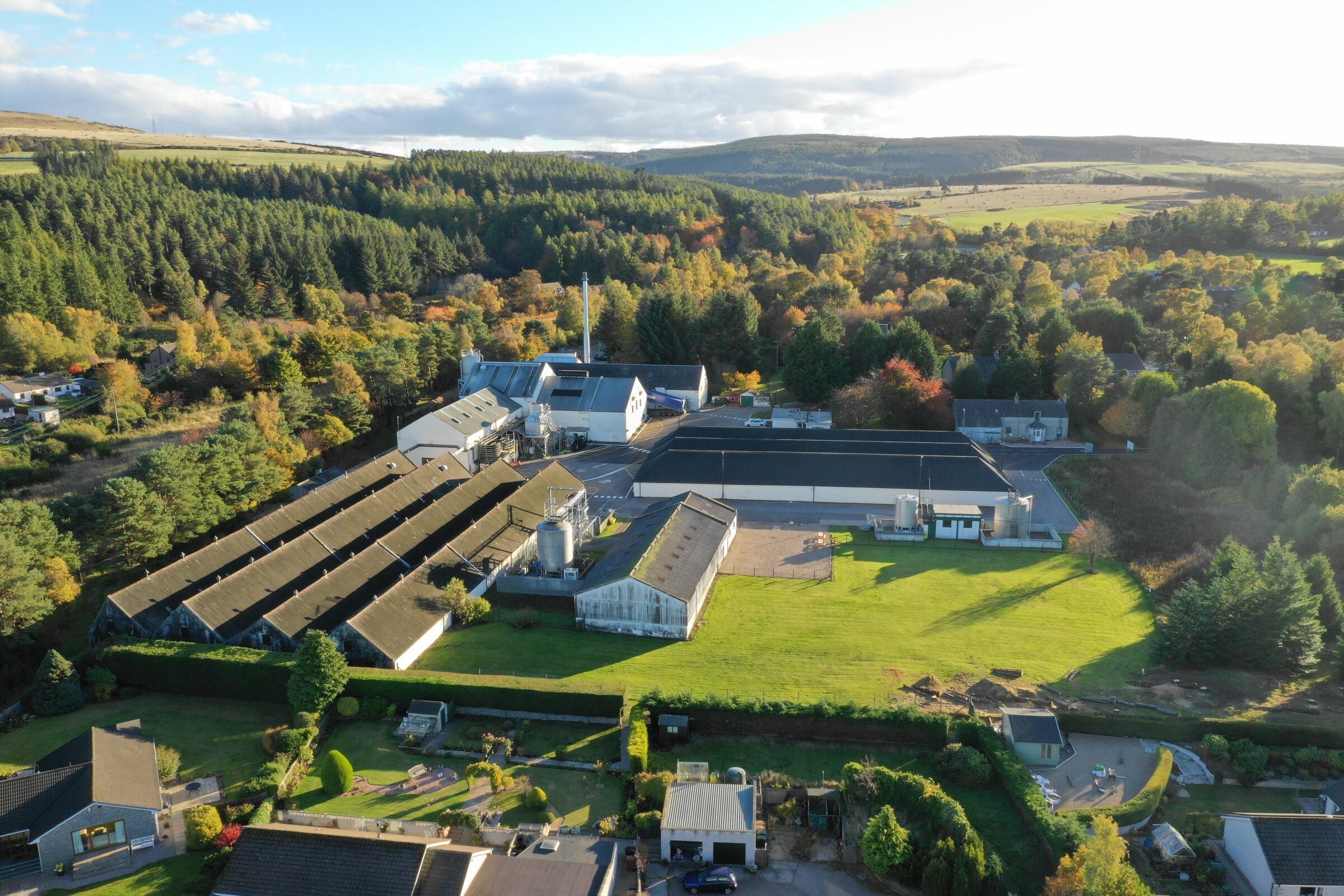
Glen Elgin Distillery: The Blenders' Secret Behind White Horse
Glen Elgin guide: Charles Doig's famous prophecy, the worm tubs and 90-hour fermentations behind its lush fruity malt, the White Horse connection, our own port, sherry and rye cask bottlings, and w...
Read more


