
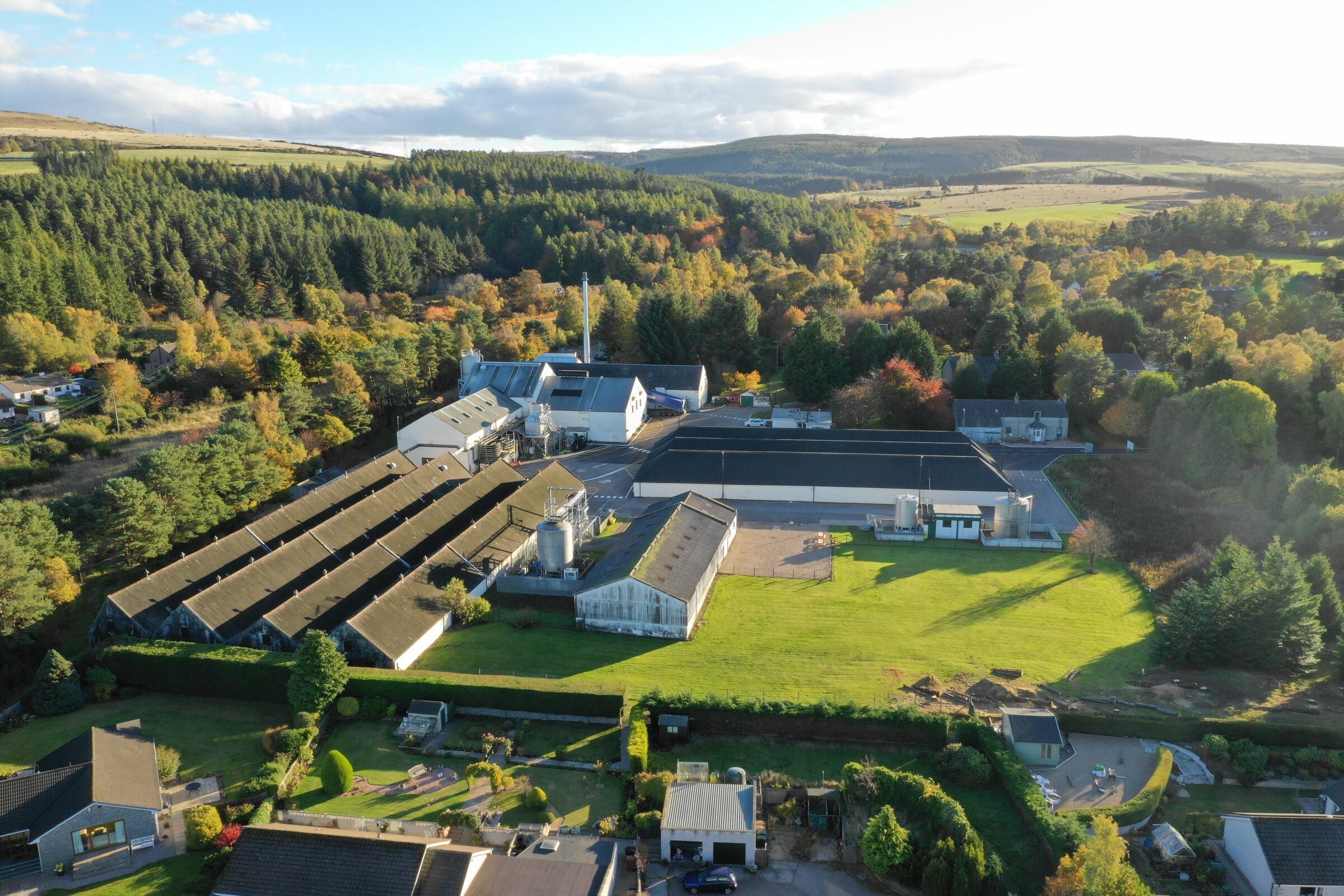
Glen Elgin Distillery: The Blenders' Secret Behind White Horse
Glen Elgin has spent more than a century being brilliant in private. Ask a blender which Speyside malts they would fight to keep and this modest distillery south of Elgin comes up again and again; ask most whisky drinkers and you may get a blank look. That gap between reputation and recognition is exactly what makes Glen Elgin one of the most rewarding names an independent bottling can carry.
It is also, quietly, one of the most traditional distilleries in Speyside: six small stills, wooden washbacks, famously long fermentations and old-fashioned worm tub condensers, all run not for show but because they make a lush, fruity spirit that the White Horse blend has depended on for nearly a century. This guide covers the distillery's false start in 1900, how those worm tubs shape the whisky, what it tastes like, and why we at The Single Cask have bottled more Glen Elgin than almost any other distillery on this site.
Glen Elgin at a glance
| Region | Speyside (Fogwatt, near Elgin, Moray) |
| Founded | 1898, by William Simpson and James Carle; production began May 1900 |
| Owner | Diageo |
| Capacity | Around 1.8 million litres of pure alcohol per year |
| Stills | 6 (3 wash, 3 spirit), small and plain-shaped, with worm tub condensers |
| Water source | Springs near Millbuies Loch, south-east of the distillery |
| Fermentation | Very long, in six wooden washbacks; figures of up to 90 hours are often quoted |
| Malt spec | Unpeated, from commercial maltings |
| Style | Lush and fruity; apricot, peach, honey and a gentle malty weight |
| Visitor centre | No; the distillery is not open to the public |

History of Glen Elgin
Glen Elgin was born at precisely the wrong moment. In 1898, with the Victorian whisky boom at full gallop, William Simpson, a former manager of Glenfarclas, and James Carle, a bank agent, commissioned a new distillery on the road south from Elgin, near the hamlet of Fogwatt. They hired Charles Doig of Elgin, the most celebrated distillery architect of the age and the man who gave the industry its pagoda roof. It should have been a sure thing.
Then the boom ended. The collapse of the Pattison blending firm in late 1898 tipped the industry into a slump while Glen Elgin was still being built, and the plans were cut back sharply as money tightened. Production finally began in May 1900, and lasted about five months before the stills went cold. The distillery was auctioned in 1901 for a fraction of what it had cost to build, and drifted through the following years until the Glasgow wine and spirit merchant J. J. Blanche & Co. bought it in 1906. Doig, surveying the wreckage of the boom, made a famous prophecy: Glen Elgin would be the last new distillery built in Speyside for fifty years. He was almost exactly right. The next one, Tormore, did not arrive until 1958.
Stability came in 1930, when Glen Elgin joined the Distillers Company Limited and was placed under the licence of White Horse Distillers. That decision set the course for everything since: Glen Elgin's lush, fruity malt became a fixture at the heart of the White Horse blend, alongside the smoke of Lagavulin and the Highland backbone of Craigellachie. It remains a core White Horse malt today, which is one reason the whisky is far better known in Japan, where the blend has long been enormous, than it is in Britain.
For decades the place stayed defiantly old-fashioned. Glen Elgin was not connected to the electricity grid until 1950; before that the distillery ran on paraffin lamps and water power. A major rebuild in 1964 expanded it from two stills to six, and the stills went over to steam heating in 1970, but the worm tubs stayed, and so did the unhurried way of working. Ownership passed down the corporate chain from DCL to United Distillers and, in 1997, to Diageo, which has kept Glen Elgin doing what it has always done: making superb whisky that most people drink without ever seeing the name.
How Glen Elgin makes its whisky
Glen Elgin is a case study in how a distillery builds fruit. It starts in the mash house, where an eight-tonne stainless steel mash tun is run to produce clear wort, keeping cereal notes out of the fermentation. The wort goes into six wooden washbacks for some of the longest fermentations in the industry; figures of up to 90 hours are often quoted. Long, slow fermentation lets the yeast finish its work and the wash develop the fruity esters that define the house character.
Water comes from springs near Millbuies Loch in the wooded hills south-east of the distillery, and the malt is unpeated, bought in from commercial maltings. The six stills, three wash and three spirit, are small and plain in shape, run slowly to give the vapour time to talk to the copper.
Then comes the twist. Where almost every modern distillery uses efficient shell-and-tube condensers, Glen Elgin still condenses its spirit in worm tubs: long coils of copper pipe lying in open-air tubs of cold water outside the still house. Worm tubs give the vapour far less copper contact, which normally makes for a heavier, sometimes meaty spirit, the style you find at Benrinnes or Mortlach. Glen Elgin performs a rare balancing act: the clear wort and marathon fermentations pull the spirit towards bright fruit, while the worms give that fruit weight and texture. The result is a whisky that manages to be both lush and substantial, and it is why only a handful of distilleries that still run worm tubs guard them so jealously. Total output is modest by Diageo standards, at around 1.8 million litres of pure alcohol a year.

What does Glen Elgin taste like?
Fruit, first and last. Glen Elgin's signature is a ripe, almost syrupy orchard-fruit character: apricots, peaches, pears poached in honey, with a soft malty sweetness underneath and a texture that coats the mouth rather than skating over it. The worm tubs stop it becoming merely pretty; there is a gentle waxiness and weight that keeps the whisky interesting at full maturity, and it takes both bourbon and sherry-seasoned oak well.
Official bottlings are thin on the ground, which tells you how much the blenders want to keep. The mainstay is a 12 year old that joined Diageo's official line-up in the early 2000s, an honest, honeyed introduction to the make, and a 16 year old appeared as a Special Release in 2008. Beyond that, the distillery's story is mostly told by blends and by independent bottlers, which for single cask drinkers is no bad thing at all.
Glen Elgin and independent bottlers
Because the vast majority of Glen Elgin goes to the blending vats, casks have long circulated through the broker market, and the distillery has become a favourite of independent bottlers who know their Speyside. Gordon & MacPhail, Signatory, Cadenhead and the Scotch Malt Whisky Society have all released it over the years, and seasoned drinkers tend to pounce: the combination of lush distillery character and interesting casks delivers far more whisky than the name's modest fame would suggest. Unlike tightly controlled siblings such as The Glenlivet, Glen Elgin is a malt you can actually find as a single cask, and it rewards the search.
The Single Cask and Glen Elgin
This is where we stop being neutral, because Glen Elgin is one of our house favourites, and we have bottled it more often than almost any other distillery. Our shelves have carried around a dozen Glen Elgin single casks over the years, and they map the distillery's range beautifully.
The heart of it was a remarkable run of 11 year olds, all distilled in 2011, that we bottled from a parcel of first-fill port and madeira barrels: tawny port casks 802065B and 802067B, madeira cask 802066B, and ruby port casks 802069B and 802070B. Tasting them side by side was a masterclass in what cask choice does to a single spirit. The tawny casks leaned into rancio, honey, wine gums and apricots; the madeira brought black pepper, raisins and allspice; the ruby port casks turned darker, with green tea, cinnamon, dark chocolate and grapes over that unmistakable Glen Elgin malt and stone fruit. A sister cask, ruby port cask 802070, distilled in March 2016, followed later at 12 years old with red fruits, leather and black pepper. We have also bottled the sherry side of the coin, with 9 year old oloroso and PX octaves (casks 802861A and 802861B) and a 15 year old refill oloroso octave, cask 805069, distilled in June 2009.
Two bottlings are still available as we write. Cask 802070B, an 11 year old from a first-fill ruby port barrel at 51.8%, carries rancio, black pepper, grapes, raisins and dark chocolate, and only a few bottles remain. The one we would point a curious drinker to first, though, is cask 802860, a 10 year old matured in a first-fill Catoctin Creek rye quarter cask and bottled at a cask strength of 58.8%. American rye casks are still a rarity in Scotch, and this one layers peaches, apricots, butterscotch, cashews and a savoury jamón note over the distillery's honeyed malt. It is Glen Elgin's lush fruit wearing entirely new clothes, and it shows why we keep going back to this distillery: the spirit is generous enough to carry ambitious casks without losing itself.

Collectability and cask ownership
Glen Elgin is not a trophy distillery, and its auction market reflects that: prices for official and independent bottlings remain sane, driven by drinkers rather than speculators. That is precisely its appeal. Well-chosen single casks offer a quality-to-price ratio that famous names cannot match, and the scarcity of official releases means good independent bottlings tend to be quietly absorbed by people who intend to pull the cork. If you are buying Glen Elgin, buy it to drink or to share; if it appreciates on your shelf, treat that as a bonus rather than a plan.
On the cask side, Glen Elgin is one of the more realistic Speyside names for private ownership, because stock genuinely does move through the broker market, as our own bottling history proves. The fundamentals still apply in full: whisky cask ownership is unregulated, values can go down as well as up, storage and insurance cost money every year, and nothing in this article is financial advice. A cask's worth depends on verifiable provenance, honest paperwork and a real buyer at the end, so start by understanding cask sizes and types and deal only with people who will show you the documents.
Glen Elgin FAQs
Who owns Glen Elgin?
Glen Elgin is owned by Diageo, which inherited the distillery through the 1997 merger that created the company. It has been part of the Distillers Company family since 1930, operating for most of that time under the White Horse Distillers licence.
Can you visit Glen Elgin distillery?
No. Glen Elgin has no visitor centre and is not open to the public. It sits just off the road south from Elgin towards Rothes, and you can see its Charles Doig pagoda from the roadside, but for a tour you will need to look to neighbouring Speyside distilleries that welcome visitors. Its closest neighbours, Linkwood and Mannochmore, keep their doors shut too; this corner of Speyside works rather than performs.
What does Glen Elgin taste like?
Lush orchard fruit is the signature: apricots, peaches and honeyed pears over a soft malty base, with a gentle weight and waxiness from the distillery's worm tub condensers. It is unpeated, takes sherry, port and bourbon casks well, and drinks beautifully at cask strength.
Is Glen Elgin peated?
No. Glen Elgin uses unpeated malt from commercial maltings. Its character comes from clear wort, very long fermentations, slow distillation in small stills and worm tub condensation, not from smoke.
What whisky blend uses Glen Elgin?
Glen Elgin has been a core malt in the White Horse blend since 1930, which is where the great majority of its production still goes. The blend's popularity in Japan made Glen Elgin's 12 year old single malt something of a cult bottling there long before it was widely known in the UK.
Can I buy a cask of Glen Elgin?
Realistically, yes, more so than for most famous Speyside names. Because so much Glen Elgin is distilled for blending, casks do circulate through brokers and independent bottlers. Provenance and paperwork still need careful checking, and a reputable specialist can verify what is on offer before you commit.
Own a piece of Glen Elgin
Glen Elgin is the connoisseur's shortcut: blender-grade Speyside malt, made the slow way, at prices the famous names left behind years ago. If this guide has put it on your radar, start with a bottle, our 10 year old rye quarter cask is open for orders now, and if the distillery gets under your skin the way it got under ours, the next step is a cask of your own. The Single Cask helps clients buy whisky casks with verified provenance, store them in our bonded warehouse, and bottle them under their own label when the whisky says it is ready.
Read first, buy second: our guides explain the costs and the risks in plain English, and when you are ready for a straight conversation about owning Glen Elgin or any other Speyside malt, contact us.
Work with The Single Cask
Buy a whisky cask, bottle under your own label, or store casks in our HMRC approved bonded warehouse in Fife.
Read more
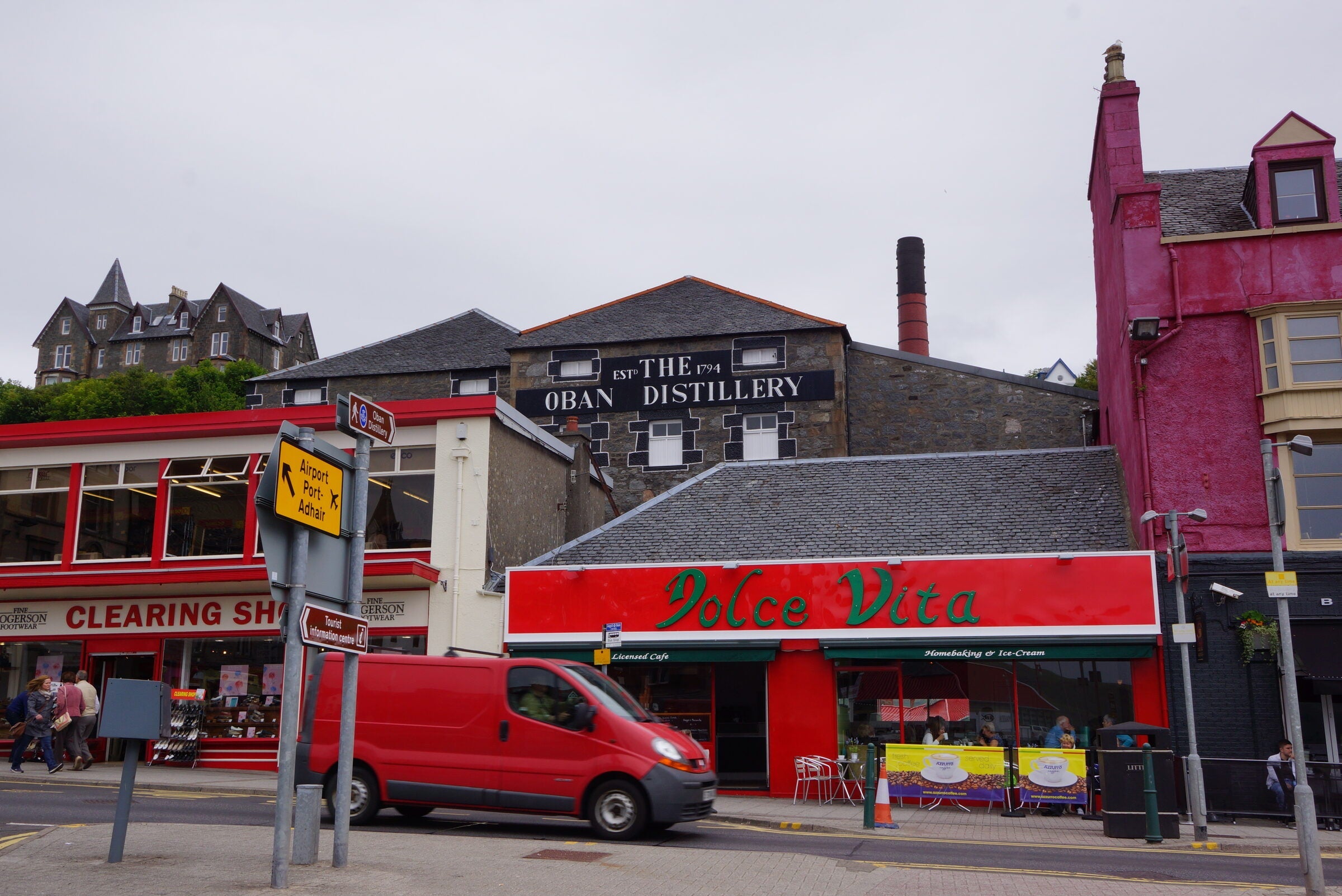
Oban Distillery: The Whisky That Built a Town
Two stills, a cliff at its back and a town that grew up around it: Oban is one of the smallest distilleries in Scotland and the original West Highland malt. Here is the full story — the Mesolithic ...
Read more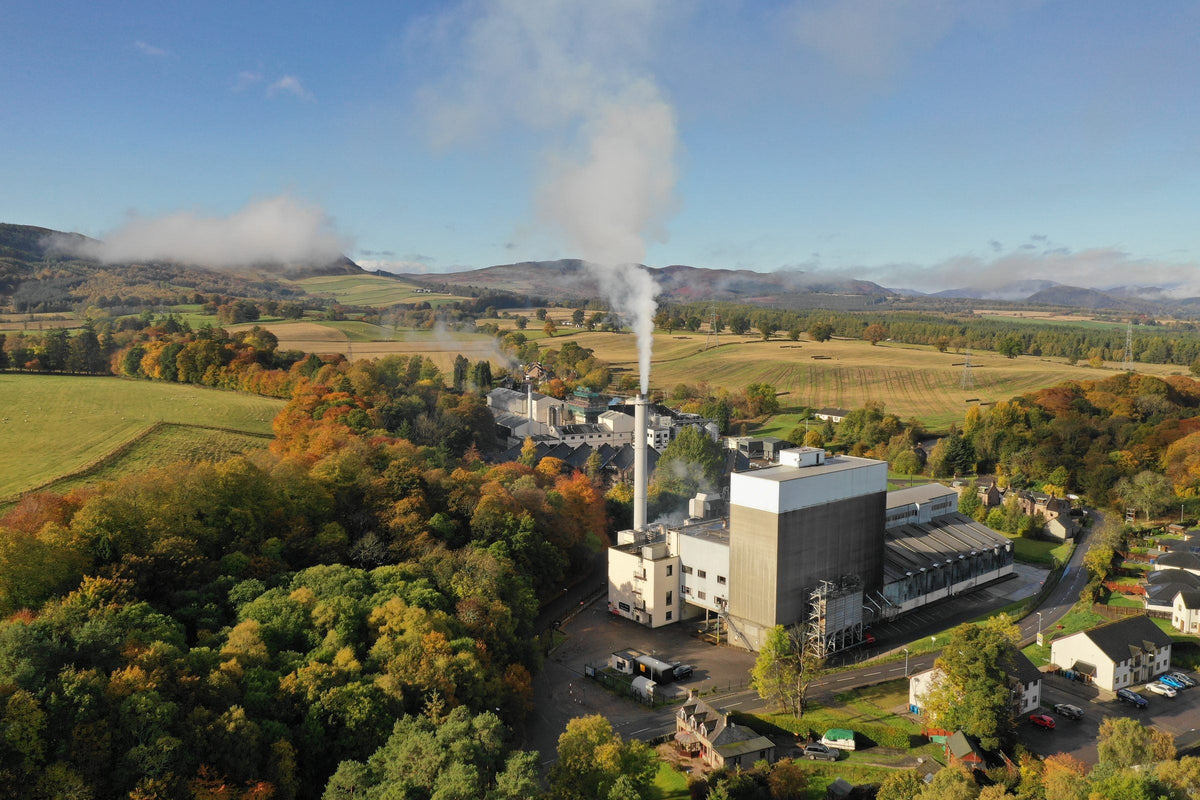
Glen Ord Distillery: The Malting Giant That Feeds Talisker
Glen Ord grows most of its own barley and supplies malt to Diageo's other Highland distilleries, yet almost none of its own whisky is sold in the UK. Our guide covers the Black Isle history, the ho...
Read more


