
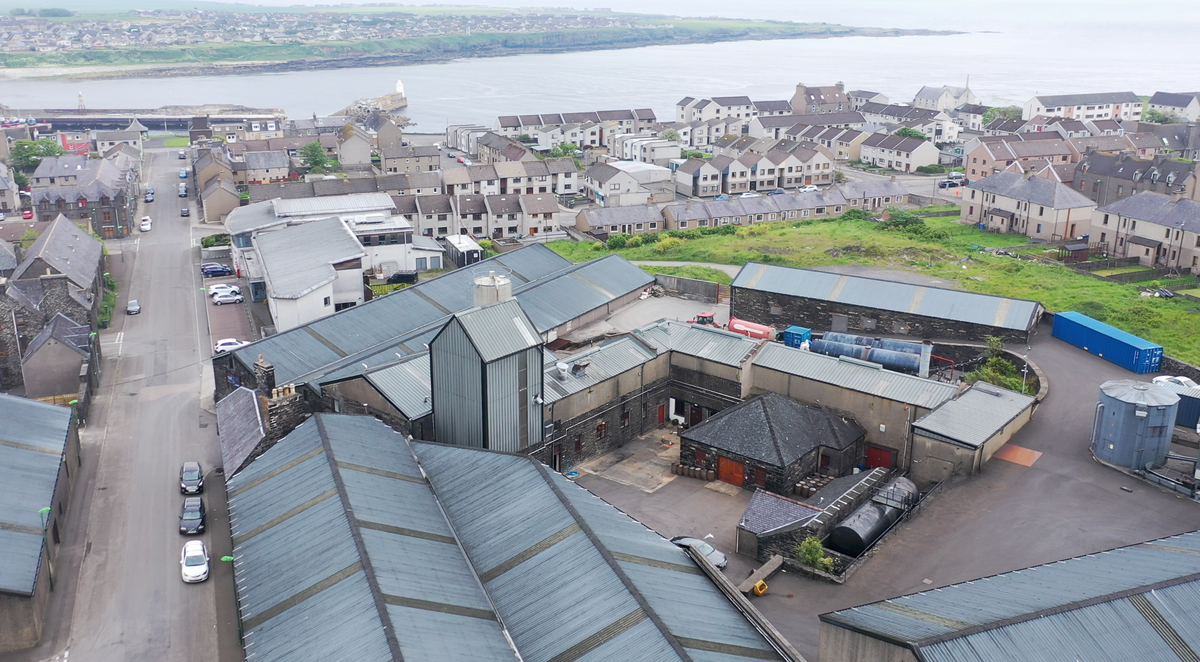
Pulteney Distillery: Scotland's Maritime Malt from the Far North Coast
Wick is not on the way to anywhere. It sits at the far northeastern corner of the Scottish mainland, closer to Norway than to Edinburgh in spirit if not quite in miles, and Pulteney distillery has been making whisky there since 1826 with almost nothing around it but the harbour, the North Sea and a stiff wind. That isolation shows up in the whisky itself: Old Pulteney is usually the first name mentioned when anyone talks about a genuinely maritime Scotch, and the distillery's own oddly shaped stills were, by most accounts, built the way they were because smugglers had less room to work with than they would have liked. We have bottled one cask from here, and while that particular release has since moved on to the trade rather than sitting on our own shelf, Pulteney is well worth a proper look regardless.
Pulteney at a glance
| Region | Highland, at Wick, Caithness, on Scotland's far northeast coast |
| Founded | 1826, by James Henderson |
| Owner | International Beverage Holdings, through Inver House Distillers, since 1995 |
| Capacity | Around 1 million litres of pure alcohol a year |
| Stills | One wash still and one spirit still, both unusually shaped, with worm tub condensers |
| Water source | A stream fed by Loch Hempriggs, carried to the distillery along a mill lade originally engineered by Thomas Telford |
| Fermentation | Around 52 hours |
| Malt spec | Unpeated |
| Style | Salty and briny with an oily, waxy weight, honey and citrus underneath, and a fresh, almost ozonic lift |
| Visitor centre | Yes, in Wick town centre, with tours and tastings |

History of Pulteney
James Henderson founded the distillery in 1826, moving his operation from Stemster, a few miles inland, into the newly built fishing town of Pulteneytown on the edge of Wick harbour. Pulteneytown itself had only existed since 1808, planned and named after Sir William Pulteney, a governor of the British Fisheries Society who never set foot in Caithness but whose name ended up on the distillery regardless. Herring brought Wick its money in the nineteenth century, and Henderson's whisky was built to serve a harbour packed with fishermen and the trade that came with them.
That relationship between the town and the drink did not last in a straight line. Wick voted itself dry under early twentieth century temperance legislation, and Pulteney closed in 1930, unable to sell locally and squeezed by the wider industry downturn of the period. It stayed silent for over twenty years until Robert Cumming, who also owned Balblair for a period, bought the site and reopened it in 1951. Ownership moved on again after that: John Dewar and Sons held it through the 1920s, Hiram Walker and Sons bought in 1954, and the business passed into Allied Breweries, later Allied Domecq, in 1961. Inver House Distillers acquired Pulteney in 1995, and Inver House has itself been part of International Beverage Holdings, the international arm of Thailand's ThaiBev, since 2006. Under that ownership Pulteney sits alongside Balblair down the coast at Edderton, Speyburn in Rothes, anCnoc at Knockdhu and Balmenach in Cromdale, a group Inver House has tended to let speak for itself rather than pushing hard on marketing.
For well over a century Pulteney held the title of Scotland's most northerly mainland distillery, until Wolfburn opened a short drive away in Thurso in 2013. The branding around Old Pulteney leans hard on that northern, maritime identity, and unlike some marketing angles, this one holds up: the distillery really is a few hundred yards from open water, and the character of the whisky really does seem to owe something to it.
How Pulteney makes its whisky
Water comes from a stream fed by Loch Hempriggs, brought to the distillery along a mill lade that Thomas Telford himself had a hand in engineering, a detail that says something about how long this particular water source has mattered to the site. The malt is unpeated, and fermentation runs to around 52 hours in the washbacks, on the longer side, which tends to build a fruitier new make character before the stills get involved at all.
The stillhouse is where Pulteney stops looking like anywhere else. There is one wash still and one spirit still, and both are strange shapes even by the standards of an industry that tolerates plenty of eccentricity. The wash still carries a boil bulb almost as large as the base of the still itself, topped off flat rather than tapering into a swan neck, which forces vapour back down into the pot and increases reflux. The spirit still adds a purifier pipe and a lyne arm that coils and doubles back on itself rather than running in a straight line to the condenser, another device for sending heavier, oilier vapour back to be redistilled. The distillery's own account, repeated often enough in whisky writing that it has become part of Pulteney's folklore, is that whoever built the original stills ran out of headroom in the space available and simply lopped the top off the wash still to make it fit, discovering by accident that the resulting spirit was worth keeping. True or not, both stills still feed worm tub condensers rather than modern shell-and-tube units, a slower, more old-fashioned way of cooling the vapour that tends to add weight and character rather than stripping it out.
What does Old Pulteney taste like?
The word that comes up more than any other in tasting notes for Pulteney is maritime, and it earns the description. Expect salt and brine first, then an oily, waxy texture that coats the palate, with honey, malt and citrus fruit running underneath and a fresh, almost ozonic quality on top that people genuinely do associate with sea air, whether or not that is provable in a glass. Older expressions bring in more wood spice and a gentle nuttiness without losing the coastal character that defines the make. It is a style that rewards drinkers who find some other Highland malts a little too clean and polite, and one reason Old Pulteney built such a strong reputation among specialists years before it became a familiar name on supermarket shelves: the 1989 vintage was named World's Best Single Malt at the 2016 World Whiskies Awards, a result that surprised a lot of people outside the trade and very few people inside it.
Our own cask showed that character clearly: sea salt and hints of wax on the nose, with honey, cinnamon, malt, oak, white wine and citrus fruit developing through the palate. Refill barrel maturation over 23 years had let the spirit itself do most of the talking rather than layering on heavy wood influence, which is usually the right call with a distillery this distinctive.
The Single Cask and Pulteney
We bottled one cask of Pulteney: cask 100773, distilled on 13 March 2000 and matured in a refill barrel for 23 years before release at cask strength, 50.8%, as part of our Signature Series, with an outturn of 158 bottles. It has since moved into the trade, where it has appeared through retail partners at a little over £260 a bottle, rather than remaining available directly through our own site. If you are checking our listing and seeing it show as unavailable, that is why, and we would rather say so plainly than leave the page looking like an error.


We would happily take on another Pulteney cask if a good one came up, and if you have a specific age, cask type or strength in mind, tell us and we will watch the market for it.
Pulteney and independent bottlers
Pulteney has a longer and more consistent relationship with independent bottlers than a lot of distilleries this far off the beaten track. Gordon & MacPhail have bottled it for decades through their Connoisseurs Choice and Rare Old ranges, at ages that regularly run past what the distillery's own core range offers. Hunter Laing's Old Malt Cask series has released Pulteney at 20 years old and similar ages, Dràm Mòr has put out vintage-dated Pulteney including a 2008 cask released at 17 years old, and Signatory Vintage has taken casks from the distillery too. None of this makes Pulteney an easy distillery to source from in volume: a meaningful share of what the stillhouse produces still goes into Inver House's blends, and the rest is spread thinly across official bottlings and a handful of independent releases each year. But for a distillery this remote, the flow of genuine, well-documented casks onto the market is steadier than most.
Plan a bottling inspired by Pulteney
Being straightforward about it: we do not currently have a Pulteney cask of our own to offer, and we are not going to imply otherwise. What we can do is keep watching for one, and in the meantime point you towards whisky in a similar register. Old Pulteney's own Inver House stablemates, Balblair on the Dornoch Firth and Balmenach in Speyside, sit differently in style but share the same house approach to sourcing and cask policy, and other coastal Highland and Island malts can get you closer to that salty, maritime profile if that is specifically what you are after. Tell us what the finished whisky needs to taste and feel like, rather than only the distillery name on the label, and we can usually get closer to a workable answer.
For an independent bottler or a new brand working towards a release, none of this has to start with one named distillery. We can talk through independent bottling and private label whisky built around stock that genuinely fits the brief, walk through the four steps from cask to bottle, and look after maturation in our own bonded warehouse while a plan comes together. If you are earlier in the process and thinking about buying a whisky cask full stop, it is worth reading our guide to cask sizes and types before committing to anything specific. A cask is not a regulated investment, values can move in either direction over the years it spends maturing, and nothing here should be read as financial advice, only as a straightforward account of what we see buying and selling casks day to day.
Get in touch and tell us what you are trying to build. We will give you a straight answer about what is realistically available and what it is likely to cost.
Pulteney FAQs
Who owns Pulteney distillery?
Inver House Distillers, which has owned Pulteney since 1995 and is itself part of International Beverage Holdings, the international arm of Thailand's ThaiBev.
Is Old Pulteney peated?
No. Pulteney uses unpeated malt, and its maritime character comes from its stills, its worm tub condensers and its position right on the harbour at Wick rather than from smoke.
Why is Old Pulteney called the maritime malt?
The distillery sits a short walk from Wick harbour on Scotland's far northeast coast, and the salty, briny character of the whisky is widely put down to that closeness to the sea, both in how the spirit is made and how it matures.
Can you visit Pulteney distillery?
Yes. There is a visitor centre in Wick offering tours and tastings, though it is worth checking current opening times before planning a trip given how far north the distillery sits.
Can you buy a cask of Pulteney?
Occasionally, and more often than you might expect for such a remote distillery, mostly through independent bottlers rather than the distillery itself. We do not currently have a Pulteney cask in stock, ours having moved into the trade, but we are glad to look for another and to suggest well-matched alternatives in the meantime. Ask us what is realistically available.
Work with The Single Cask
Buy a whisky cask, bottle under your own label, or store casks in our HMRC approved bonded warehouse in Fife.
Read more
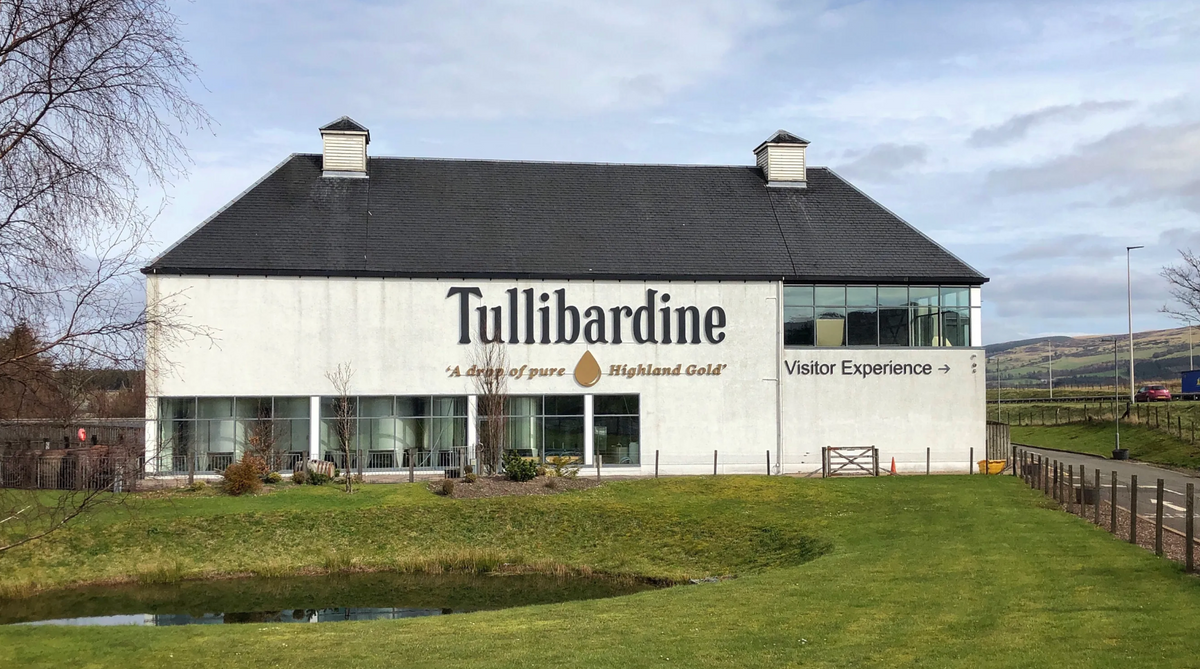
Tullibardine Distillery: Built on a Brewery, Reborn as a Single Malt
Blackford is not a name most whisky drinkers would place on a map, but the village has been making alcohol in one form or another for over six centuries, long before Tullibardine ever distilled a d...
Read more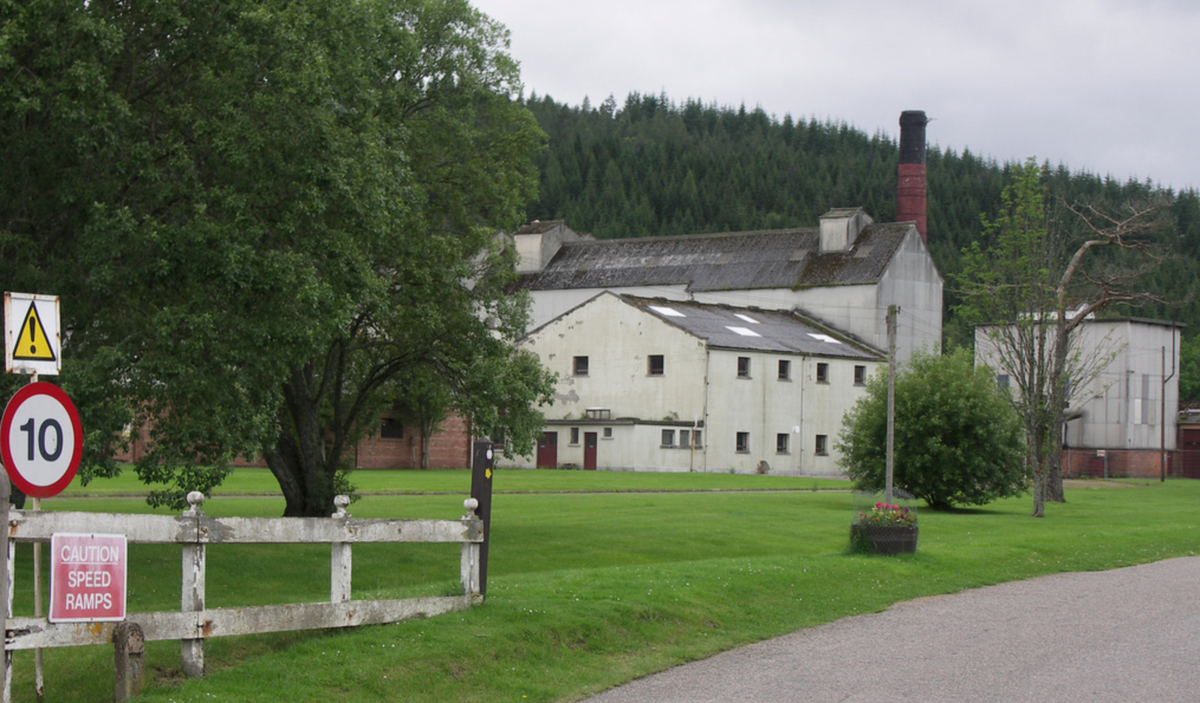
Imperial Distillery: The Ghost Distillery Beneath Dalmunach
Most whisky drinkers have never heard of Imperial, and there is a simple reason for that: the distillery has not made a drop since 1998, and the buildings themselves were pulled down in 2013. Yet I...
Read more


