
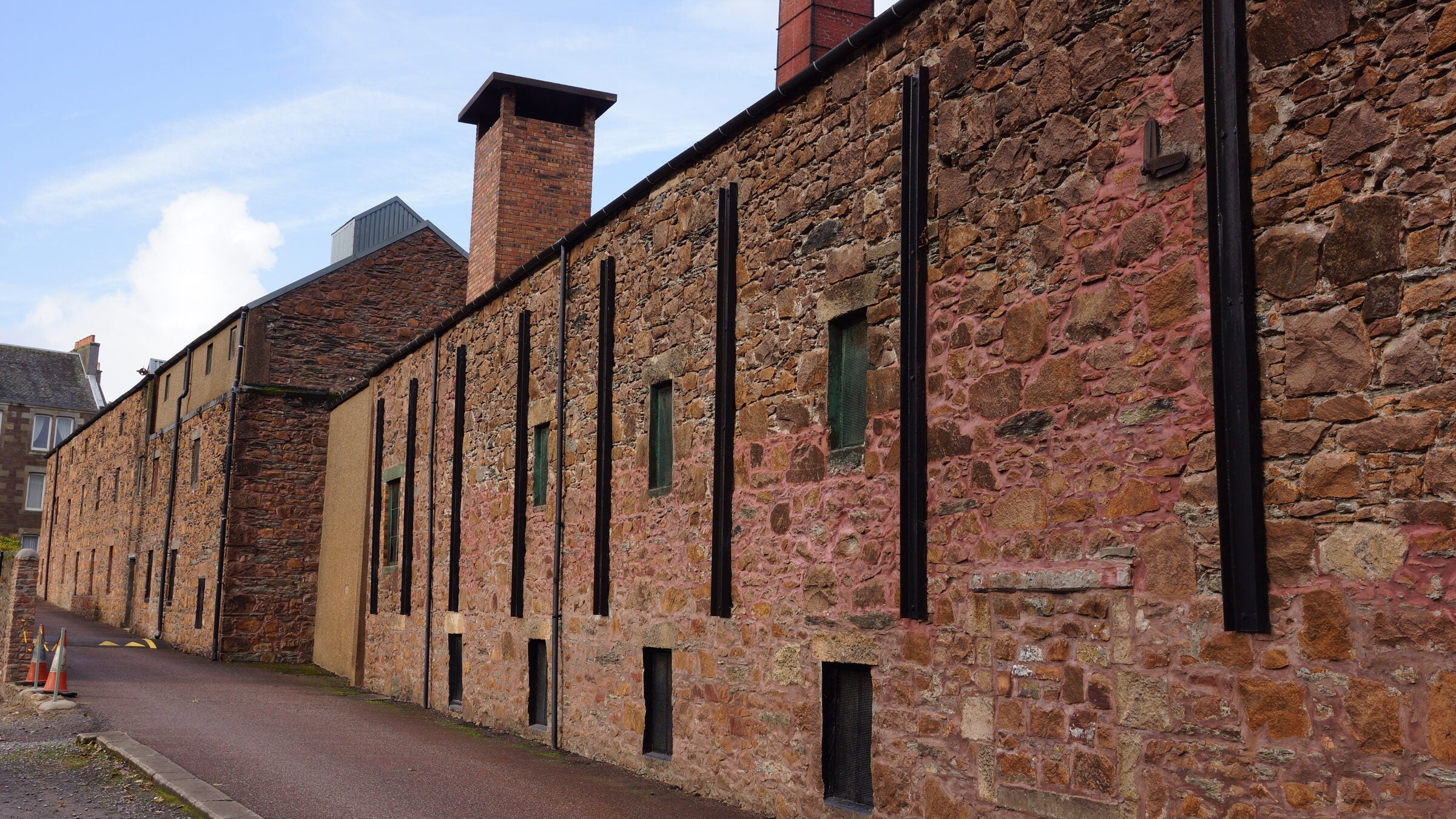
Springbank Distillery: Campbeltown's Stubborn Survivor
Springbank does not filter or colour its whisky, and cannot come close to meeting demand for it. Bottles of its standard 10 year old, which a decade ago sat patiently on shop shelves, now sell out by ballot within hours. The distillery that spent much of the twentieth century as Campbeltown's stubborn survivor has become, almost by accident, the most coveted name in Scotch whisky.
It is also, by any measure, the most traditional. Springbank is the only distillery in Scotland that carries out every single step of production on one site: it malts 100% of its own barley on stone floors, distils it, matures it, and bottles it, across a cluster of whitewashed buildings behind Campbeltown's Longrow. This guide covers the history of the last great Campbeltown house, how one distillery makes three completely different whiskies, and an honest answer on whether you can ever own a cask of it.
Springbank at a glance
| Region | Campbeltown, on the Kintyre peninsula, Scotland's smallest whisky region |
| Founded | 1828, on the site of Archibald Mitchell's illicit still |
| Owner | J&A Mitchell & Co, still owned by the founding family, making it Scotland's oldest independent family-owned distillery |
| Capacity | Around 750,000 litres of pure alcohol a year on paper; actual production runs well below that, entirely limited by the floor maltings |
| Stills | Three: one wash still heated by both an open oil flame and steam coils (a combination found nowhere else) and two spirit stills |
| Water source | Crosshill Loch, above the town |
| Fermentation | Very long: 72 to 110 hours in boatskin larch washbacks |
| Malt spec | 100% floor-malted on site: lightly peated for Springbank, heavily peated for Longrow, unpeated for Hazelburn |
| Style | Oily, briny and gently smoky, with a farmyard funk collectors pay dearly for |
| Visitor centre | Yes, with tours, tastings, a whisky school and the Cadenhead's shop |
History of Springbank
Campbeltown was once, without exaggeration, the whisky capital of the world. In the Victorian era this small fishing town at the foot of the Kintyre peninsula supported more than thirty licensed distilleries, fuelled by local barley, a handy coal seam, a deep harbour and a thirsty Glasgow steamer trade. The Mitchell family were in the thick of it from the start: Archibald Mitchell ran an illicit still on the Longrow site before anyone bothered with licences, and in 1828 a legal distillery was founded there, passing within a decade to his sons. The partnership of John and Archibald Mitchell gave the firm its enduring name, J&A Mitchell & Co, and after a family disagreement (the story runs that it was about sheep) William Mitchell left in the 1870s to run Glengyle distillery around the corner. Whisky in Campbeltown has always been a family affair.
Then came the fall, and it was brutal. Through the 1920s the town's distilleries collapsed one after another, undone by a perfect storm: American Prohibition killed a major market, the coal seam was exhausted, the herring fleet declined, and too many Campbeltown houses had chased volume over quality, souring the region's reputation with blenders. Of more than thirty distilleries, precisely two came through alive: Springbank and Glen Scotia. Springbank itself went silent from the late 1920s until the mid 1930s, and again from 1979 to 1987 during the industry-wide slump, surviving on warehouse stock and the family's bloody-mindedness rather than any commercial logic.
That bloody-mindedness had a name: Hedley Wright, great-great-great-grandson of Archibald Mitchell, who chaired J&A Mitchell for over sixty years until his death in 2023 at the age of 92. Wright refused to sell out, refused to modernise for modernising's sake, and in 2000 pulled off Campbeltown's great act of defiance. When the region's status as one of Scotch whisky's official regions looked shaky, since two distilleries hardly seemed to justify the title when the Lowlands had three, his company bought and re-equipped the derelict Glengyle, the very distillery William Mitchell had walked out to run in the 1870s. Glengyle's revival in 2004, producing the malt sold as Kilkerran, kept Campbeltown on the map as a region in its own right. J&A Mitchell also owns Cadenhead's, Scotland's oldest independent bottler, founded in 1842. It is a remarkably complete little empire, and it remains in family hands, unbothered by shareholders, to this day.
How Springbank makes its whisky
Springbank's production is less a process than a working museum that happens to make superb spirit. It begins with the floor maltings, which supply every grain of malt the distillery uses, and no other Scottish distillery can say the same. Barley is steeped in water from Crosshill Loch, spread across the malting floor, turned by hand for around a week, then kilned. The kilning is where the three house styles are born: malt destined for Springbank gets roughly six hours of peat smoke followed by hot air, Longrow malt is dried entirely over peat for around 48 hours, and Hazelburn malt sees no peat at all.
The rest of the process is just as unhurried. Fermentation in six boatskin larch washbacks runs from 72 hours to as long as 110, far beyond the industry norm, building the fruity, complex base that Springbank's oily spirit needs. The stillhouse holds three stills and one genuine oddity: the wash still is heated by a direct oil flame beneath it as well as by internal steam coils, the only such combination in Scotland, with a rummager chain turning inside to stop the solids sticking. Springbank itself is distilled two and a half times, a wilfully complicated arrangement involving redistilling a portion of the low wines; Longrow is distilled twice, Hazelburn three times. All of it is filled into a policy of predominantly ex-bourbon and ex-sherry casks, with regular excursions into port, madeira, rum and other wood, and matured in Campbeltown's damp, salty warehouses. Bottling happens on site too, at 46% or cask strength, never chill filtered, never coloured, house rules since long before either became fashionable. If you have read our guides to Talisker or Highland Park, two other distilleries that kept their old ways, Springbank is those instincts taken to their logical conclusion.
What does Springbank taste like?
Springbank tastes like a working distillery smells. The signature is an oily, coating texture carrying brine, wet rope, machine oil and soft peat smoke, with orchard fruit and vanilla underneath and a mineral, salty finish. Writers reach for words like "funky" and "dirty", and mean them as the highest compliments: this is the opposite of clean, engineered whisky, and the 10, 15 and magnificent 21 year old wear their harbour-town character proudly. The 12 year old cask strength batches are, for many devotees, the best value serious whisky in Scotland, when they can be found.
Longrow turns the smoke up: double distilled and heavily peated, it plays in the same coastal-smoke territory as Islay, though with Campbeltown's oilier, earthier accent. Hazelburn goes the other way entirely: triple distilled, unpeated, lighter and sweeter, all barley sugar and citrus. Both are named after lost Campbeltown distilleries, which is a very Springbank way of doing a product range: even the branding is an act of remembrance. Tasting all three side by side, from one set of stills and one malting floor, is one of whisky's great object lessons in how much process shapes flavour.
Springbank and independent bottlers
Once upon a time, independent Springbank was reasonably plentiful: Cadenhead's, being part of the same family firm, bottled it regularly, and older casks found their way to the usual merchant houses. Those days are gone. The distillery no longer supplies brokers or third-party bottlers, and modern independent Springbank is close to non-existent. When old stock does surface at auction, it is fought over: aged Springbank from 1960s and 1970s distillations sits among the most valuable Scotch whisky ever sold, and even unassuming 1990s casks bottled by independents now command four-figure sums a bottle.
There is a warning buried in that scarcity. A make this desirable and this unavailable attracts sellers whose stories do not always survive scrutiny, and "Springbank casks" have featured in more than one questionable sales pitch. Which brings us to the question we are asked constantly.
The Single Cask and Springbank
We will be straight with you: in all our years of cask hunting, we have never bottled a Springbank, a Longrow or a Hazelburn, and we have never once been offered a genuine parcel at honest money. That is not a failure of effort, but simply how J&A Mitchell operates. Production is tiny, every drop is needed for the distillery's own releases, and casks do not reach the open market. If anyone offers to sell you one at dinner-party prices, our sincere advice is to ask us for a second opinion before any money moves.
What we can put in your glass is the same coastal, characterful school of whisky, honestly sourced and bottled our way: single cask, cask strength, natural colour, no chill filtration. Our Bunnahabhain 13 year old (cask 9007302) shares Springbank's unpeated maritime brine and oily weight; our Caol Ila 9 year old (cask 321526) covers the Longrow end of the spectrum with smoke, salt and citrus at 52.8%; and for something with real age, our Tobermory 27 year old (cask 613) shows what three decades of island maturation can do. None of them is Springbank. All of them are the kind of whisky Springbank lovers tend to love, at prices that have not been inflated by a ballot.
Collectability and cask ownership
On the bottle side, Springbank has become one of the most collected names in Scotch. The Local Barley series sells out instantly and trades at multiples of its release price; the annual 21 year old and the limited "cage" bottles sold only at the distillery shop have spawned genuine pilgrimages to Campbeltown; and the distillery is counting down to its 200th anniversary in 2028 with a series of special releases. Auction demand for the core range itself, a rarity for any distillery, surged after 2019, and while the wider whisky auction market has cooled from its peak, Springbank remains among the most traded and most resilient names on the secondary market. That said, secondary prices move with fashion, and recent years have shown they fall as well as rise.
On the cask side, the answer is the same one we gave for Lagavulin: genuine Springbank casks are, for all practical purposes, never for sale. The distillery does not sell new make to private buyers, and aged casks essentially never reach the open market with clean provenance. Treat any offer with great caution and take independent advice before committing anything. More broadly, remember that cask ownership involves risk and values can go down as well as up; nothing on this page is financial advice. If you are thinking seriously about owning whisky by the cask, start with our plain-English guide to cask sizes and types, and we will always tell you honestly what is and is not available.
Visiting Springbank
Campbeltown is a commitment, roughly three hours' drive from Glasgow down the long, beautiful road that hugs Loch Fyne and the Kintyre coast, and that is part of the charm: this is a pilgrimage, not a coach stop. The reward is the least sanitised distillery tour in Scotland. Visitors walk across working malting floors, past the flame-fired wash still, through warehouses that smell of a century and a half of spirit. The distillery also runs a week-long whisky school for the truly committed, tastings in its Washback Bar, and the Cadenhead's shop in town sells bottlings you will not find anywhere else. Come during the Campbeltown Malts Festival in late May and the whole town remembers, briefly, what it was like to be the whisky capital of the world. Book everything well ahead; allocations of tour places have become nearly as tight as allocations of the whisky.
Springbank FAQs
Who owns Springbank distillery?
J&A Mitchell & Co, a private company still controlled by descendants of founder Archibald Mitchell, making Springbank the oldest independent family-owned distillery in Scotland. The same firm owns Glengyle distillery (Kilkerran) and the independent bottler Cadenhead's.
Why is Springbank whisky so hard to find?
Production is small, limited by the on-site floor maltings rather than still capacity, and demand has grown enormously since around 2019. Most releases are allocated or balloted, so bottles sell out immediately and often reappear at a premium on the secondary market.
What is the difference between Springbank, Longrow and Hazelburn?
All three are made at Springbank from its own floor-malted barley. Springbank is lightly peated and distilled two and a half times; Longrow is heavily peated and double distilled; Hazelburn is unpeated and triple distilled. Longrow and Hazelburn are named after lost Campbeltown distilleries.
Is Springbank peated?
Gently, yes. Springbank's malt gets around six hours of peat smoke during kilning, giving a soft, earthy smokiness rather than an Islay-style blast. For heavy peat, look to Longrow; for none at all, Hazelburn.
Can you buy a cask of Springbank?
Realistically, no. The distillery does not sell casks to private buyers and genuine casks essentially never reach the open market. Any offer of one deserves hard questions about provenance, so ask us for an honest view before parting with money.
Can you visit Springbank distillery?
Yes. Tours run regularly and are among the most authentic in Scotland, taking in the working floor maltings and the bottling hall. The distillery also runs tastings, a whisky school and hosts the Campbeltown Malts Festival each May. Booking well in advance is essential.
Own a piece of Campbeltown's world
We would love to sell you a Springbank cask, and we never will, because nobody honestly can. What we can offer is the thing Springbank actually stands for: whisky made with patience, bottled without interference, from casks chosen one at a time by people who taste everything they sell. Explore our current coastal single casks, read our guide to buying a whisky cask, or get in touch and tell us what you are chasing, and if a genuine Campbeltown cask ever does surface at honest money, our mailing list will be the first to know.
Work with The Single Cask
Buy a whisky cask, bottle under your own label, or store casks in our HMRC approved bonded warehouse in Fife.
Read more
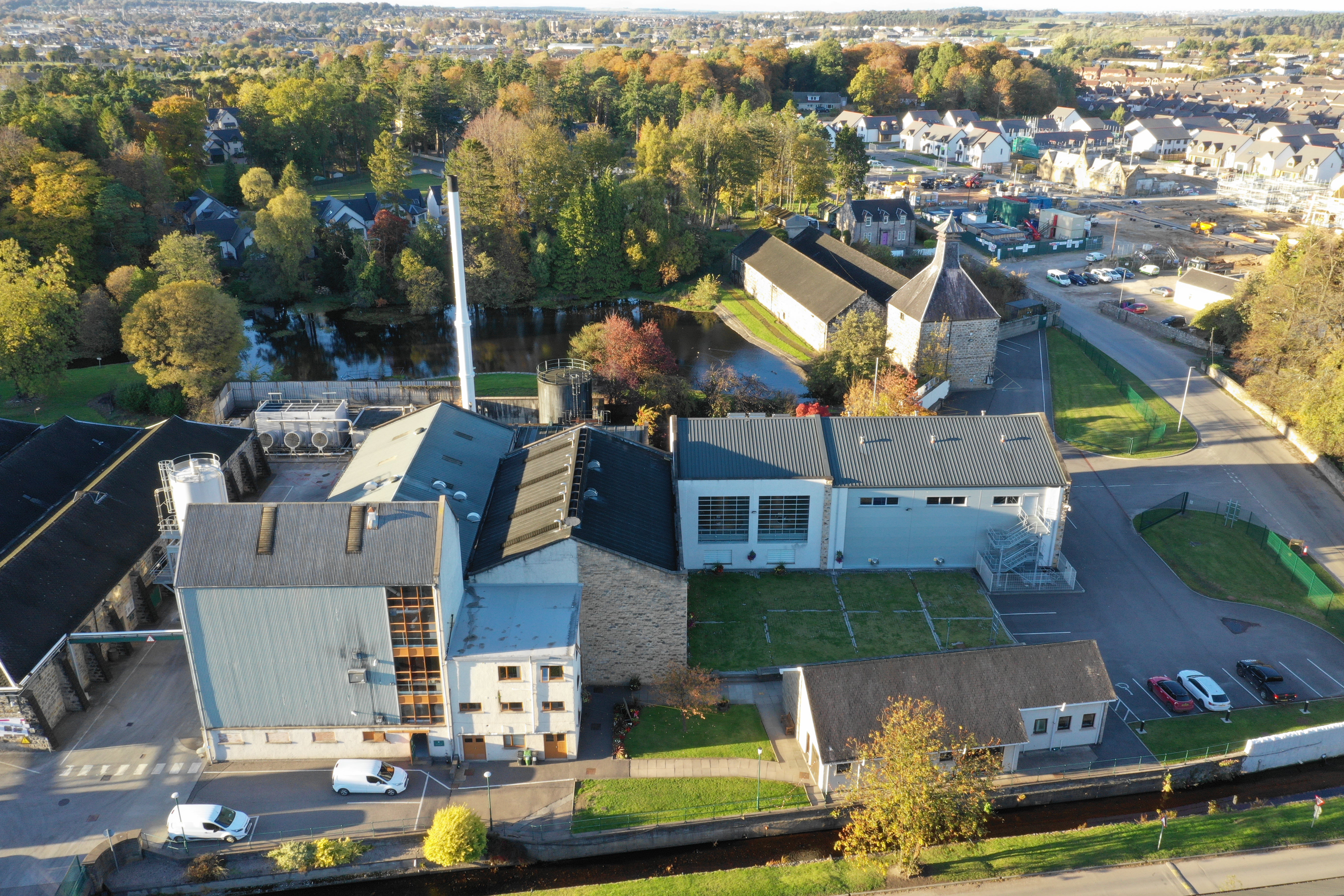
Linkwood Distillery: The Whisky Nobody Was Allowed to Change
Blenders guard Linkwood so jealously that barely a drop reaches bottles under its own name. From the manager who protected the stillhouse spiders to the swans on the dam, here is the full story of ...
Read more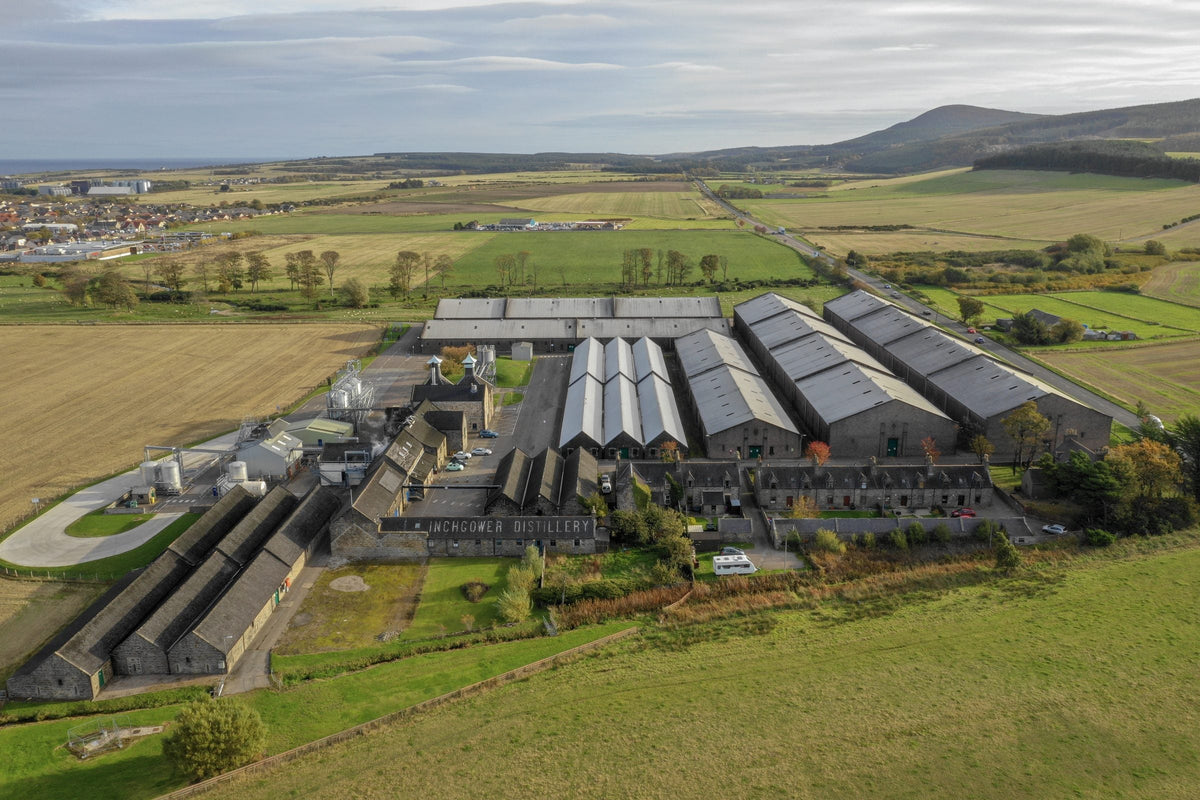
Inchgower Distillery: The Manzanilla of Speyside
Inchgower is the only Scotch distillery ever owned by a town council, and the salty, spicy Speyside workhorse behind Bell's. We have bottled it more than a dozen times — here is the full story, fro...
Read more


