
The Balvenie Distillery: Dufftown's Keeper of the Five Rare Crafts
On the hill above Dufftown there is a field of barley that will be spread across a malting floor a few hundred yards from where it grew, turned by hand around the clock, kilned over a whisper of peat and mashed on the very same site. The Scotch whisky industry outsourced its malting two generations ago; The Balvenie simply never stopped.
That stubbornness runs through everything at this distillery. William Grant & Sons, still independent and family-owned after five generations, keeps a coppersmith and a team of coopers on the payroll, grows a share of its own barley on the neighbouring farm, and until 2023 employed a malt master who had held the job since 1974. For drinkers, the reward is one of the best-loved honeyed malts in Speyside. For cask buyers there is a catch we will come to, because The Balvenie is one of the hardest names in Scotland to own by the cask.
The Balvenie at a glance
| Region | Speyside, in Dufftown, next door to Glenfiddich |
| Founded | 1892 by William Grant; the first spirit ran on 1 May 1893 |
| Owner | William Grant & Sons, independent and family-owned since 1887 |
| Capacity | Typically quoted at around 7 million litres of pure alcohol a year, though some references cite 5.6 million |
| Stills | Eleven, five wash and six spirit, with the distinctive rounded "Balvenie ball" in the neck |
| Water source | The Robbie Dhu springs in the Conval Hills, shared with Glenfiddich |
| Fermentation | Around 65 hours, in a mix of Douglas fir and stainless steel washbacks |
| Malt spec | Essentially unpeated; the distillery's own floor maltings supply up to around 15% of requirements, kilned with a little peat |
| Style | Honeyed, malty and gently spiced, with orchard fruit and vanilla |
| Visitor centre | Small-group in-depth tours only, booking essential |
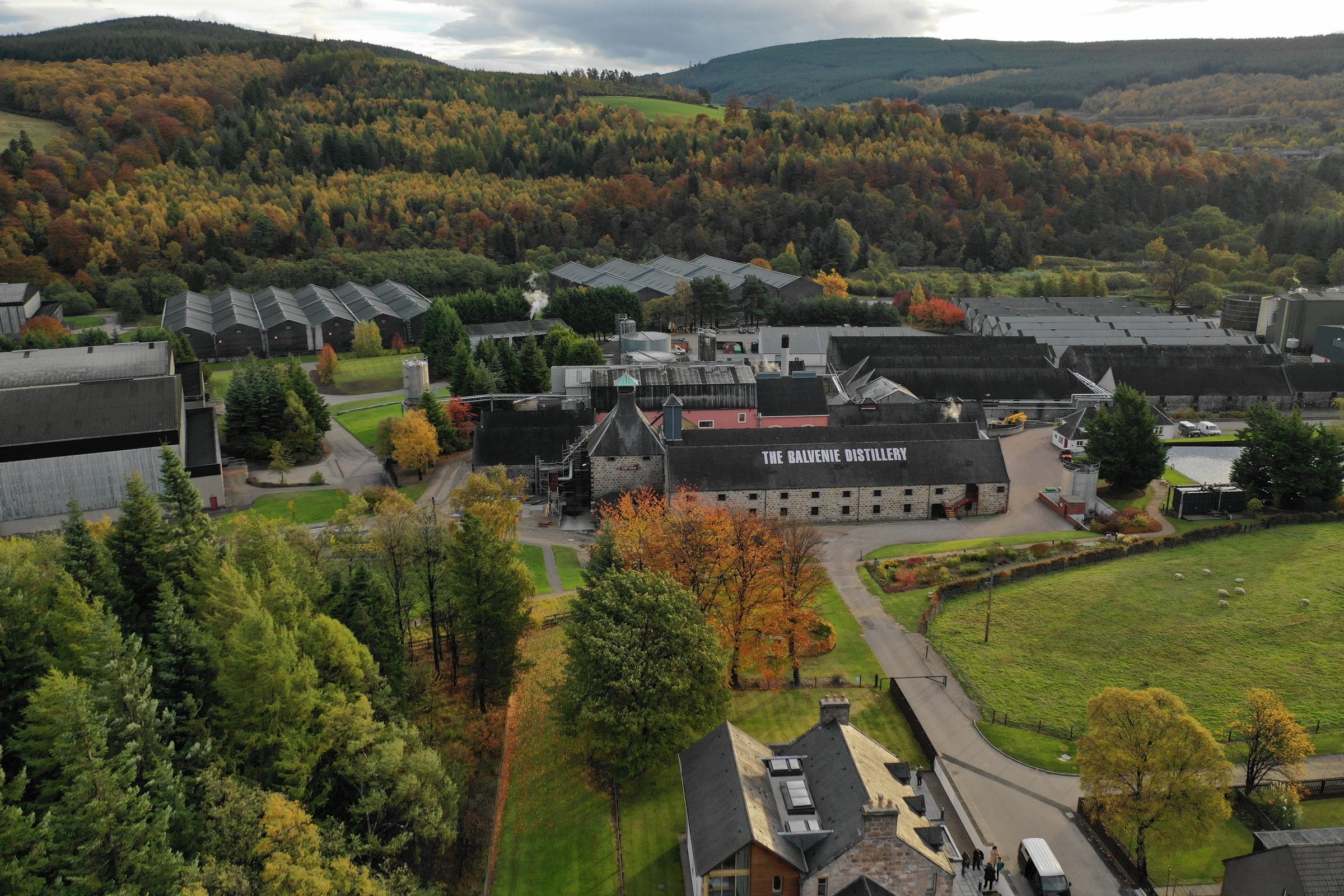
The Balvenie from above
The Balvenie can be hard to picture because it shares its home with two sister distilleries and keeps a deliberately low profile. Our drone footage untangles the Dufftown site: Balvenie's malting-floor pagodas and long stone warehouses sit at the heart of the campus, with Glenfiddich's visitor-friendly frontage to one side and the anonymous sheds of Kininvie tucked beyond.
History of The Balvenie
William Grant spent twenty years managing Mortlach distillery before betting everything he had on a distillery of his own. Glenfiddich, built largely by hand with his nine children, ran its first spirit on Christmas Day 1887. Within five years it was doing well enough to attract unwelcome attention: word reached Grant that a rival intended to build on land beside his precious Robbie Dhu springs. His response was characteristically decisive. He secured the ground himself and put up a second distillery on it, both to protect the water and to feed the growing thirst of the blending trade.
The new distillery was created inside an unlikely shell: Balvenie New House, an eighteenth-century mansion that had stood empty for decades. Conversion took fifteen months, and ever-thrifty Grant equipped it with second-hand stills, reputedly sourced from Lagavulin and Glen Albyn. The first spirit flowed on 1 May 1893. Briefly known as Glen Gordon, the distillery soon took the name of the medieval Balvenie Castle whose ruin stands close by.
For most of the twentieth century The Balvenie worked quietly in Glenfiddich's shadow, supplying malt for Grant's blends. Two things changed that. The first was the single malt boom that its next-door neighbour did so much to start. The second was a soft-spoken apprentice named David Stewart, who joined William Grant & Sons in 1962 and became Malt Master in 1974. In the early 1980s Stewart began experimenting with moving mature whisky from one cask type into another for a final period of maturation, the technique now known across the industry as cask finishing. It reached shelves as The Balvenie DoubleWood 12 Year Old in 1993 and quietly changed how Scotch whisky is made and sold.
Stewart was awarded an MBE for services to the whisky industry in 2016. In October 2022 his apprentice Kelsey McKechnie, who had joined the company in 2018, was named co-Malt Master, and in 2023 she took on the role in full, one of the youngest malt masters in Scotland, while Stewart stepped back to become the distillery's honorary ambassador after six decades of service. A third distillery, Kininvie, was added to the site in 1990, and the family firm remains one of the very few major Scotch producers never to have been bought, merged or floated.
How The Balvenie makes its whisky
The Balvenie's marketing speaks of five rare crafts, and for once the marketing is simply a description. Barley is still grown on the distillery's own Balvenie Mains farm, and a portion of every mash, up to around 15%, is malted on the distillery's own floors, one of only a handful of working floor maltings left in Scotland. The maltmen turn the grain by hand with wooden shiels to stop the rootlets matting together, and the kiln fires burn a small amount of peat, a soft background note rather than an Islay statement.
Water rises at the Robbie Dhu springs in the Conval Hills, the same source Grant built the distillery to defend. Fermentation is unhurried at around 65 hours, in washbacks of Douglas fir and stainless steel, building the fruity, estery depth the make is known for. The eleven stills, five wash and six spirit, carry a rounded bulge in the neck known as the Balvenie ball, which increases reflux and helps keep the spirit sweet and clean without stripping out its malty body.
Two crafts remain that almost every other distillery contracts out. A resident coppersmith tends the stills: the legendary Dennis McBain, who joined as an apprentice in the late 1950s, held the role for more than half a century, and an on-site cooperage keeps a team of coopers building and repairing the casks that matter most here. Wood is the heart of the house style: classic American oak ex-bourbon maturation, first-fill sherry butts, and the finishing casks (sherry, port, rum, Madeira) that Stewart's DoubleWood made famous.
What does The Balvenie taste like?
Honey, before anything else. New-make from those ball-necked stills is notably sweet, and mature Balvenie carries that sweetness through everything it does: heather honey, malt loaf, orange peel, vanilla and a gentle prickle of cinnamon spice. It is a rounder, more textured malt than its lighter Speyside neighbours, less austere than Glentauchers, softer than a sherried Macallan, with a signature richness that survives every cask it is finished in.
The DoubleWood 12 adds a layer of sultana and sherried nut to that honeyed core. The 14 Year Old Caribbean Cask, finished in rum casks, pushes toffee and tropical sweetness forward. The PortWood 21 is all raisin and red fruit over polished oak, while the Tun 1509 releases, big vattings married in a traditional oak tun, show the distillery at its deepest and most complex. Across the range the family resemblance is unmistakable: this is Speyside at its most comforting, made with unusual patience.
The Balvenie and independent bottlers
Here is the catch we promised. Independent bottlings that say "Balvenie" on the label are close to non-existent. William Grant & Sons guards its single malt brands as carefully as any company in Scotland, and casks of Balvenie do not reach brokers or independent bottlers under the distillery's own name.
What does occasionally circulate is a whisky called Burnside. The trick is charmingly simple: before a cask of Balvenie leaves the site, a teaspoon of Glenfiddich is added to it. That drop of another malt means the cask can no longer legally be sold as a single malt from one distillery: it has become a blended malt, and it must wear a trade name rather than the B-word. "Teaspooned" casks like these protect the brand while still letting the whisky trade move stock around. Bottlers such as Cadenhead have released Burnside at a fine old age (a 28-year-old appeared as recently as 2025) and seasoned drinkers treat the name as an open secret. Its sibling Wardhead, teaspooned Glenfiddich, works exactly the same way. If you ever see Burnside on a shelf at a fair price, it is one of the quiet bargains in Scotch.
The Single Cask and The Balvenie
We will be straight with you: in all our years of buying casks we have never bottled The Balvenie, and we have never once been offered a genuine parcel of it under its own name. Given how tightly William Grant & Sons holds this make, we would question the provenance of anyone claiming otherwise. Should a well-documented Burnside cask cross our path at honest money, we would look at it very seriously, since the teaspooned stock that does exist can be excellent, but we will not pretend to a relationship with the distillery that no independent bottler truly has.
What we can offer is the same honeyed corner of Speyside from distilleries whose casks do circulate. Our Glen Elgin 10 year old, cask 802860, bottled at a cask strength of 58.8% from a first-fill rye quarter cask, runs to peaches, apricots, butterscotch, honey and nutmeg, as close to Balvenie's sweet-toothed style as anything on our shelf. Our Linkwood 14 year old, cask 301554, an ex-bourbon hogshead at 59.2%, opens with apple crumble, vanilla sponge and marzipan, orchard-fruit Speyside in its Sunday best. And our Craigellachie 10 year old, cask 301035, brings vanilla, toffee and red apples with a more robust body. All are single casks, bottled at natural strength and colour without chill filtration, chosen by people who tasted them first.
Collectability and cask ownership
On the bottle side, The Balvenie has a devoted collector following that has grown steadily for two decades. The Tun 1401 batches, vatted by David Stewart from a handful of old casks, became cult bottlings almost overnight and now trade at auction for multiples of their release price. The DCS Compendium, twenty-five single casks released in five chapters to honour Stewart's career, sits firmly in serious-collector territory, and in 2022 the distillery marked his sixtieth anniversary with The Balvenie Sixty, a single cask release that trades at six figures. Older official expressions, the 30, 40 and 50 year olds, are consistently strong performers, though like all whisky at auction their prices move with fashion and the wider market rather than in one direction.
On the cask side, we owe you the same honesty as ever: William Grant & Sons does not sell Balvenie casks to private buyers, and aged casks under the distillery's name do not reach the open market. If you are offered a "cask of Balvenie", ask very hard questions about provenance and paperwork before any money moves: the honest version of that offer is called Burnside, and the price should reflect it. More generally, remember that cask ownership involves risk and values can go down as well as up, and nothing here is financial advice. If you are exploring cask ownership seriously, start with our plain-English guide to cask sizes and types, then ask us what is genuinely available from Speyside, and we will tell you straight.
Visiting The Balvenie
The Balvenie does not do mass-market tourism. There is no walk-up visitor centre; instead the distillery runs small, in-depth tours a few days a week that must be booked well in advance, and they sell out months ahead in summer. It is worth the effort. Few experiences in Scotch compare with standing on a working malting floor, shiel in hand, before tasting straight from the cask in a dunnage warehouse. Dufftown itself, of which the local rhyme says "Rome was built on seven hills, Dufftown stands on seven stills", is the closest thing Speyside has to a whisky capital, and Glenfiddich next door offers a superb contrast: the same family, the same water, and an entirely different scale of welcome. Come during the Spirit of Speyside festival in spring and the whole town hums.
The Balvenie FAQs
Who owns The Balvenie distillery?
William Grant & Sons, the independent family company founded in 1887, which also owns Glenfiddich and Kininvie on the same Dufftown site. It has never been bought, merged or floated, and the fifth generation of the family runs it today.
Does The Balvenie really malt its own barley?
Yes. Up to around 15% of the distillery's malt is produced on its own working floor maltings, turned by hand and kilned with a little peat, and a share of the barley is grown on the distillery's own Balvenie Mains farm. It is one of only a handful of Scottish distilleries with working floor maltings.
What does The Balvenie taste like?
Honeyed, malty and gently spiced, with orchard fruit, orange peel and vanilla. The core range builds on that with cask finishes: sherried depth in the DoubleWood 12, rum-cask toffee in the Caribbean Cask 14 and port-wine richness in the PortWood 21.
Can you visit The Balvenie?
Yes, but plan ahead. The distillery runs small-group, in-depth tours that include the floor maltings and warehouse tastings. Places are limited and sell out well in advance, so book directly with the distillery long before you travel.
Can you buy a cask of The Balvenie?
Realistically, no. William Grant & Sons does not sell Balvenie casks to private buyers, and genuine casks do not reach the open market under the distillery's name. Treat any such offer with great caution and ask us for an honest view before parting with money.
What is Burnside whisky?
Burnside is the trade name for "teaspooned" Balvenie: casks to which a teaspoon of Glenfiddich has been added so they legally become a blended malt rather than a single malt. It is the only realistic way Balvenie spirit reaches independent bottlers, and well-aged Burnside can be one of the quiet bargains in Scotch.
Own a piece of Speyside
We would love to end by offering you a cask of The Balvenie. We cannot, and under that name at least, neither can anyone else. What we can offer is the real thing from the same stretch of Speyside: single casks of honeyed, fruit-laden malt from distilleries like Linkwood and Glen Elgin, chosen by people who taste everything they sell and bottled exactly as the cask made them. Read our guide to buying a whisky cask, explore our current Speyside bottlings, or get in touch and tell us what you are looking for. Educating you about the whisky comes first; if we earn your custom along the way, all the better.
Work with The Single Cask
Buy a whisky cask, bottle under your own label, or store casks in our HMRC approved bonded warehouse in Fife.
Read more
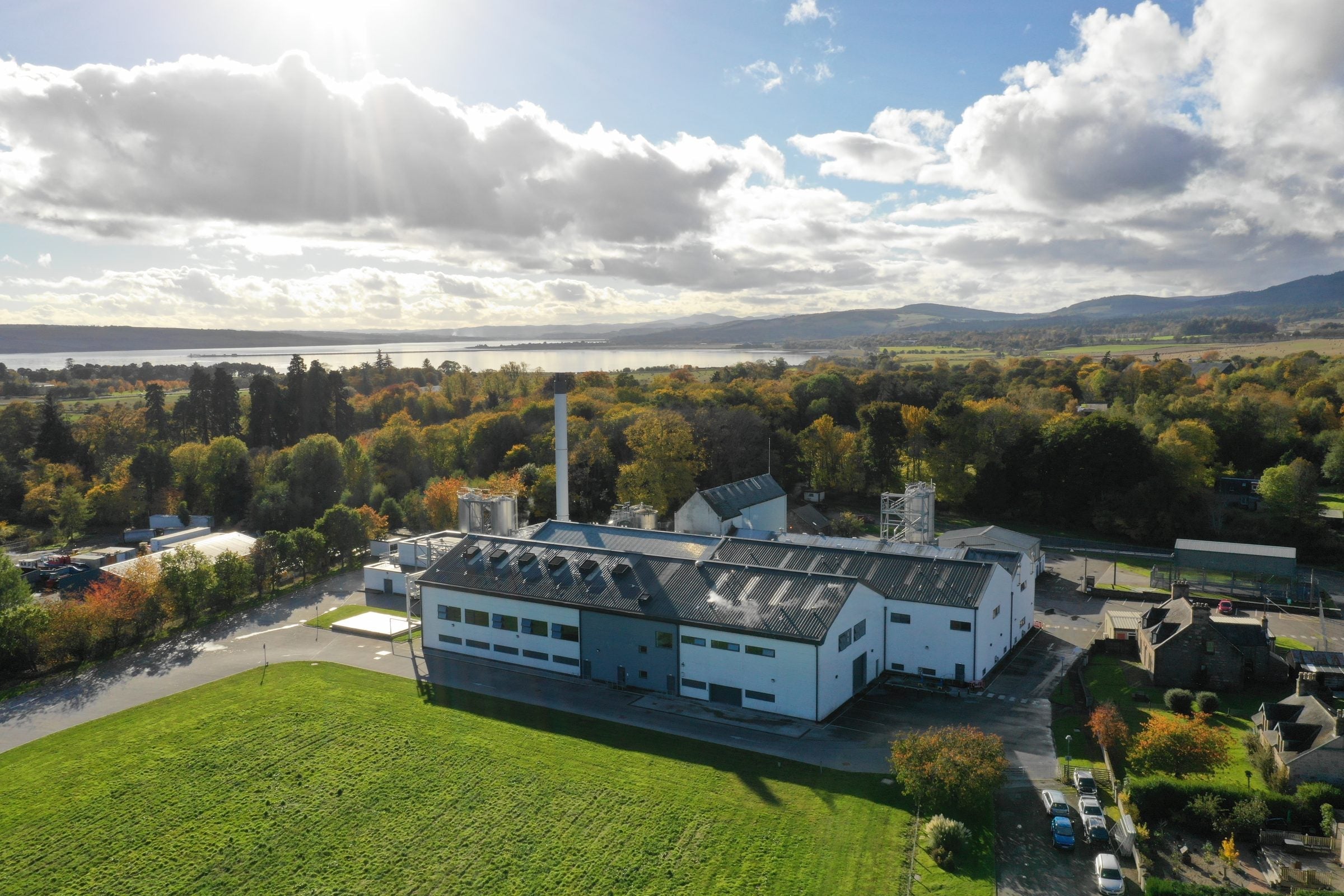
Teaninich Distillery: The Highland Giant Without a Mash Tun
One of Scotland's biggest and least-known distilleries, Teaninich threw out its mash tun in 2000 and never looked back. We have bottled it eleven times — here is the full guide to the grassy Highla...
Read more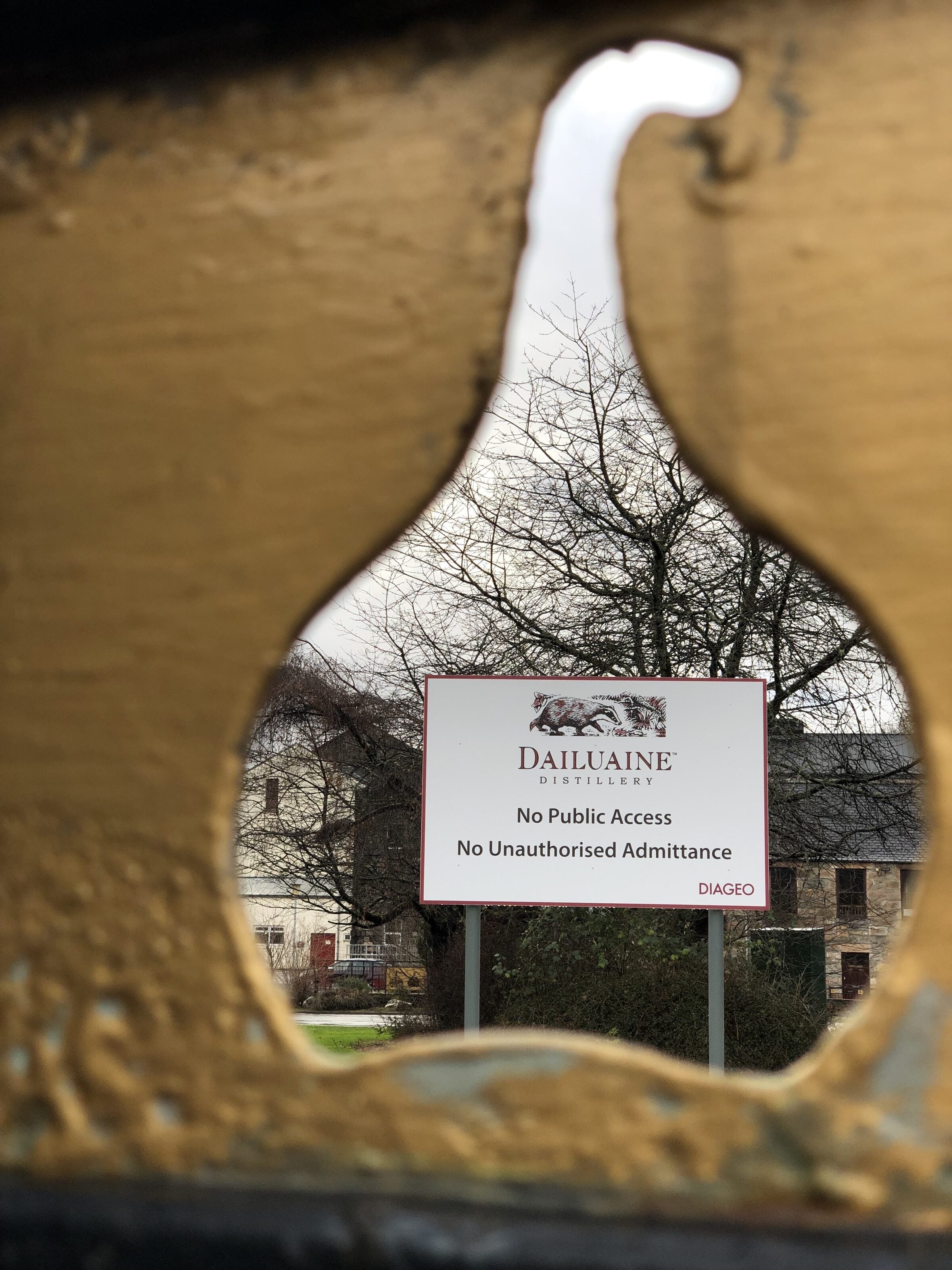
Dailuaine Distillery: The Green Vale That Gave Whisky the Pagoda
Every pagoda roof in Scotch whisky copies a design first built at Dailuaine in 1889. We explore Speyside's meaty, blend-bound heavyweight, from Charles Doig's original pagoda to the nine single cas...
Read more


