
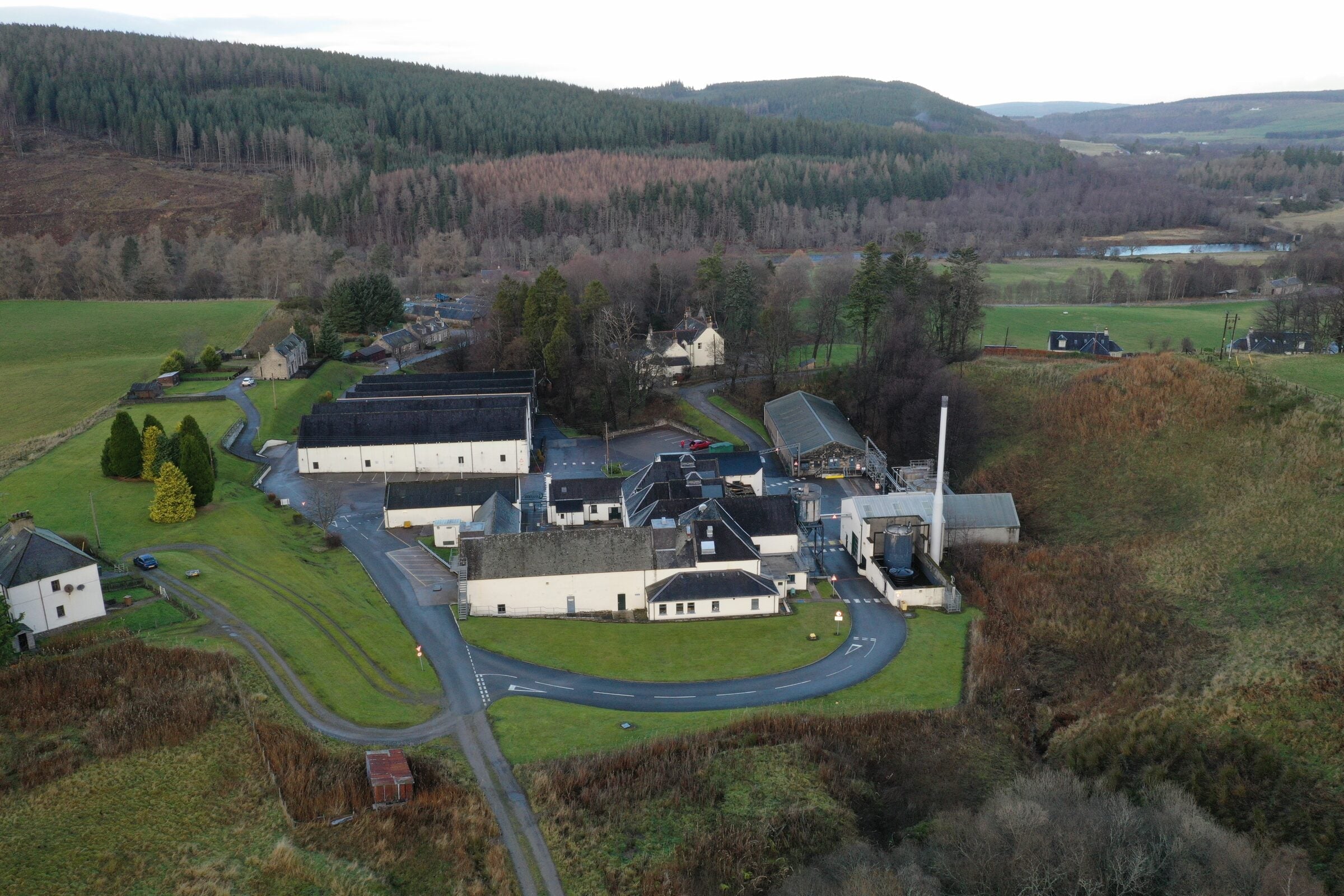
Cragganmore Distillery: Speyside's Deliberate Outlier
Most Speyside malts are built to be gentle: soft fruit, honey, a light touch of oak. Cragganmore was built to be awkward on purpose, and more than 150 years later it still tastes like nothing else in the region. Diageo picked it to represent the whole of Speyside in the original Classic Malts range for exactly that reason: it is the one that argues with the stereotype.
The distillery sits at Ballindalloch, on Speyside's well-trodden whisky trail, and it has spent almost its entire life inside a large corporate portfolio, first the Distillers Company Limited, then United Distillers, now Diageo. Little of its stock has ever reached the open market as a result, which means we have to be upfront from the start: The Single Cask has not bottled Cragganmore. We think it is still one of the more interesting names in Speyside, and we will explain honestly what that means if you are hoping to own a cask connected to it.
Cragganmore at a glance
| Region | Speyside, at Ballindalloch, Banffshire, close to the Craggan Burn and the River Spey |
| Founded | 1869, by John Smith, who had previously managed The Glenlivet, Dailuaine, Macallan and Glenfarclas |
| Owner | Diageo, via a long chain through the Distillers Company Limited, United Distillers and UDV; the Macpherson-Grant family of the Ballindalloch estate held a minority share until 1965 |
| Capacity | Sources disagree considerably, quoting anywhere from around 1.2 to 2.2 million litres of pure alcohol a year; either way, a modestly sized Speyside distillery |
| Stills | Two wash stills and two spirit stills, doubled from a single pair in 1964 as exact replicas; the spirit stills have unusually flat tops and short necks, a shape reported to be unique in Scotland |
| Water source | The Craggan Burn on Ballindalloch estate land, with Spey water also used for cooling |
| Fermentation | Six wooden washbacks; long by Speyside standards, commonly quoted at 50 hours and upward depending on the cycle |
| Malt spec | Lightly peated, drawn from Diageo's central maltings |
| Style | Rich, savoury and faintly meaty rather than fruity, opening out into spice, dried fruit and heather honey with age |
| Visitor centre | Diageo's own site currently lists Cragganmore's brand home as closed, directing visitors to nearby Cardhu; some independent tour listings still show bookable visits, so it is worth checking before travelling |

History of Cragganmore
John Smith knew exactly what he was doing when he chose this particular patch of Ballindalloch in 1869. He was already one of the most experienced distillers in Speyside, having managed Dailuaine, Macallan, The Glenlivet and Glenfarclas before striking out on his own, and he wanted a site with good water from the Craggan Burn and, just as importantly, a spot right beside the planned route of the Strathspey Railway. He got both. Cragganmore became the first distillery in Speyside built with its own private railway siding, and for decades casks left the site by train rather than by cart, a genuine competitive advantage in an industry where getting whisky to Glasgow and beyond was half the battle.
Smith ran the distillery until his death, after which it passed to his brother George and then to his son Gordon. Gordon Smith died in 1923, and the licence passed briefly to his widow, Mary Jane Smith, before the distillery was sold into a new venture, the Cragganmore-Glenlivet Distillery Company, jointly owned by the whisky baron Peter Mackie of White Horse fame and the Macpherson-Grant family's Ballindalloch estate. The Distillers Company Limited acquired Mackie's share in the years that followed, but the Macpherson-Grants held on to their stake in the distillery on their own land until 1965, when DCL finally became sole owner. The buildings themselves were renovated in 1902 by Charles Doig, the architect behind the pagoda roof that became a Speyside signature at distilleries up and down the valley.
Production capacity doubled in 1964, when a second pair of stills was installed as exact copies of the originals, flat tops and all, so the character of the spirit would not change. The really significant date for anyone outside the industry came in 1988, when United Distillers picked Cragganmore to represent Speyside in the original six Classic Malts, alongside Glenkinchie for the Lowlands, Dalwhinnie and Oban for the Highlands, Talisker for Skye and Lagavulin for Islay. It was, and still is, an unusual choice: most people expect a Speyside "ambassador" malt to be soft and honeyed, and Cragganmore is neither. That was rather the point. Diageo, formed in 1997 when Guinness and Grand Metropolitan merged, has owned the distillery ever since, and Cragganmore remains a quiet but steady contributor to blends, most notably forming the backbone of Old Parr.
How Cragganmore makes its whisky
Everything unusual about Cragganmore's whisky starts with its stills, and specifically with their shape. Where most Speyside spirit stills taper up into a tall, swan-necked cone that encourages reflux and a lighter spirit, Cragganmore's two spirit stills are short and flat-topped, with a long, gently descending lyne arm. Vapour has less far to travel and less opportunity to condense and fall back for a second pass, which pushes more of the heavier, oilier compounds through into the spirit rather than leaving them behind in the pot. The two wash stills, by contrast, are larger and more conventionally shaped, with acutely angled lyne arms of their own.
The distillery compounds that effect by condensing through worm tubs rather than the shell-and-tube condensers most distilleries switched to decades ago: long coils of copper pipe coiled inside tanks of cold water outside the stillhouse. Worm tubs give the vapour less copper contact than a modern condenser, which again favours a heavier, more sulphury, meatier new make rather than a bright, fruity one. Fermentation adds a counterweight. Six wooden washbacks run notably long by Speyside standards, commonly quoted at around 50 hours and sometimes considerably more depending on the production cycle, which builds fruity esters that soften the heavier spirit coming off the stills. New make leaves the stillhouse at around 67% abv, made from lightly peated malt supplied through Diageo's central maltings, and the water throughout comes from the Craggan Burn on the Ballindalloch estate. It is, in short, a distillery built to make a bigger, more savoury whisky than its Speyside neighbours, and every piece of the kit is aimed at that outcome.
What does Cragganmore taste like?
Cragganmore is often the whisky people reach for when they want to explain that Speyside is not just one flavour. The house style is rich and savoury rather than sweet, with a meaty, faintly umami quality that regulars sometimes describe as gravy-like or Bovril-adjacent alongside toffee, heather honey and baking spice. Younger expressions lean on that savoury core with a citrus and pepper edge; older casks soften it with dried fruit, orange peel, sherry-toned sweetness and a gentle waft of smoke that some tasters put down to the worm tubs rather than the malt itself, since the barley is only lightly peated. The Distillers Edition, finished in port pipes, is probably the best-known official expression and shows how well that dark, savoury base takes to a fortified-wine finish, adding stewed plum and dried cherry over the top.
Cragganmore and independent bottlers
Diageo keeps the overwhelming majority of Cragganmore's output for its own use, whether that is the standard 12 year old, the Distillers Edition, the occasional Special Release in its twenties, or the steady flow going into Old Parr and other blends. That makes it a much harder distillery for an independent bottler to get hold of than, say, Craigellachie or Benrinnes, two other worm-tub, meaty-style Speysiders whose casks move more freely.
That said, independent Cragganmore is not a myth. Gordon & MacPhail has released vintage casks stretching back to the 1970s, and more recently bottlers such as Douglas Laing, through its XOP Black range, and Hunter Laing's Old & Rare series have put out single casks of real age and pedigree, presumably drawn from parcels that reached brokers years or decades ago rather than from any regular supply. These bottlings tend to command serious prices when they do appear, which tells you something about how scarce independently bottled Cragganmore actually is. If you see a bottle, it is usually worth a closer look; if you are hoping to buy the cask itself, patience and a broad search are the more realistic plan.
The Single Cask and Cragganmore
We will be straightforward here rather than stretch for a story we do not have: a Cragganmore cask has not yet crossed our path, and we have never bottled it under The Single Cask label. That is mostly down to how tightly Diageo holds this particular distillery rather than any lack of interest on our part; we would happily bottle a well-chosen Cragganmore cask if the right one turned up, in the same way independent bottlers like Gordon & MacPhail and Douglas Laing occasionally have.
What we can genuinely help with is everything around that gap. If a Cragganmore cask does come to market and you want a second opinion on its paperwork, its likely value or whether it is genuinely what it claims to be, we are glad to look at it alongside you. And if you like the meaty, savoury, worm-tub style rather than the distillery name specifically, we regularly work with close cousins in flavour and production method, including Benrinnes and Craigellachie, both of which share Cragganmore's worm tubs and its taste for something heavier than the honeyed Speyside norm.
Collectability and cask ownership
Cragganmore sits well below the Macallan and Dalmore end of the auction market, but it has a genuine, steady following among collectors who know the distillery for what it is rather than for its name recognition. Diageo's periodic Special Releases in their twenties and older, along with the Prima & Ultima series, anchor the top of the market: a 1971 Prima & Ultima 48 year old sold for around £4,100 at auction, and most sought-after older official and independent bottlings tend to change hands somewhere between £600 and £2,000 depending on age and cask type. That is respectable rather than headline-grabbing, and it reflects a distillery valued by people who actually drink and collect whisky for its flavour rather than by speculative money chasing a famous name.
Genuine Cragganmore casks in private hands are uncommon, precisely because so little has ever left Diageo's control, and any cask offered to you under this name deserves extra scrutiny on provenance: proper paperwork, a delivery order or direct warehouse confirmation, and no pressure to move quickly. As with any cask, ownership carries risk and values can go down as well as up; storage and insurance cost money every year, and whisky can only ever be sold as whisky. None of this is financial advice. Our guide to whisky cask sizes and types is a good starting point if you are new to how casks actually work, and we are always happy to give an honest view on anything Speyside you are considering, whether or not it involves us.
Visiting Cragganmore
This is one to check carefully before you plan a trip. Diageo's own Malts website currently lists Cragganmore's visitor centre as closed and points people towards nearby Cardhu instead, which runs tours seven days a week. A handful of independent tour-booking sites still list Cragganmore experiences such as "A Taste of Speyside" and "The Pinnacle," so provision may vary or be seasonal; the sensible move is to check directly with Diageo or a local tour operator before travelling. Either way, Ballindalloch is well placed for a Speyside day out, within easy reach of Glenfarclas, Macallan and Dalmunach, and Cardhu itself is only a short drive away.
Cragganmore FAQs
Who owns Cragganmore distillery?
Cragganmore is owned by Diageo, the world's largest spirits company, which traces its ownership back through United Distillers and the Distillers Company Limited. The Macpherson-Grant family of the Ballindalloch estate held a minority stake in the distillery until 1965.
Why does Cragganmore taste different from other Speyside whiskies?
Its unusually short, flat-topped spirit stills and old-fashioned worm tub condensers produce a heavier, more savoury and faintly meaty new make than the fruitier style most Speyside distilleries aim for, which is why Diageo chose it to represent the region's range of character rather than a single stereotype.
Can you buy a cask of Cragganmore?
Rarely. Diageo retains almost all of its own stock, so genuine Cragganmore casks in private hands are uncommon. Independent bottlers such as Gordon & MacPhail and Douglas Laing have released aged single casks over the years, which shows it does happen occasionally, but a buyer should expect a long search and should check provenance carefully. Contact us and we will give you an honest view.
Is Cragganmore part of Diageo's Classic Malts?
Yes. Cragganmore was one of the original six Classic Malts selected by United Distillers in 1988, chosen to represent Speyside alongside Glenkinchie, Dalwhinnie, Oban, Talisker and Lagavulin.
Can you visit Cragganmore distillery?
At the time of writing, Diageo's own website lists Cragganmore's visitor centre as closed and directs visitors to nearby Cardhu instead, though some independent tour operators still list bookable visits. Check directly before planning a trip.
What whisky is Cragganmore used in?
Alongside its single malt releases, Cragganmore is best known as the backbone of Old Parr, a long-established blended Scotch whisky, and it also contributes to other Diageo blends.
Plan a bottling inspired by Cragganmore
Here is the honest picture. A cask carrying the Cragganmore name is genuinely hard to find, not because it is expensive, but because Diageo simply keeps almost everything this distillery makes. Independent bottlers have occasionally put out aged single casks over the decades, so it is not impossible, and if a real one surfaces we will treat it exactly like any other cask: checking the paperwork properly before recommending it to anyone. What we would not do is imply that a Cragganmore cask is sitting ready for you today, because on the evidence we have, it is not.
Where we can be genuinely useful is in the space around that. If Cragganmore's meaty, spicy, worm-tub character is what actually appeals to you, rather than the name on the label, we can point you towards other Speyside and near-Speyside casks with a comparable production style and flavour, and help you think through the whole project rather than just the cask. Tell us the flavour or distillery style you are after, roughly how many bottles you need, your approximate budget, when you would like to bottle by, and whether this is for a drinks brand, a retailer, a hospitality venue, a company gift, a whisky club, an event or simply your own private bottling. Let us know too if you will want help with naming, labels, storage or the bottling run itself.
From there we can come back with an honest view of what is realistically available, sensible alternatives if the named distillery proves out of reach, a rough idea of likely bottle yield, the main costs and stages involved, and a practical route from choosing a cask through to finished bottles in your hand. Our guide to buying a whisky cask covers the basics, independent bottling services explains how we handle everything from a single cask through to a full private label run, and our four steps to bottling your own whisky lays out the whole process in plain terms. When you are ready, get in touch and tell us about your project.
Work with The Single Cask
Buy a whisky cask, bottle under your own label, or store casks in our HMRC approved bonded warehouse in Fife.
Read more
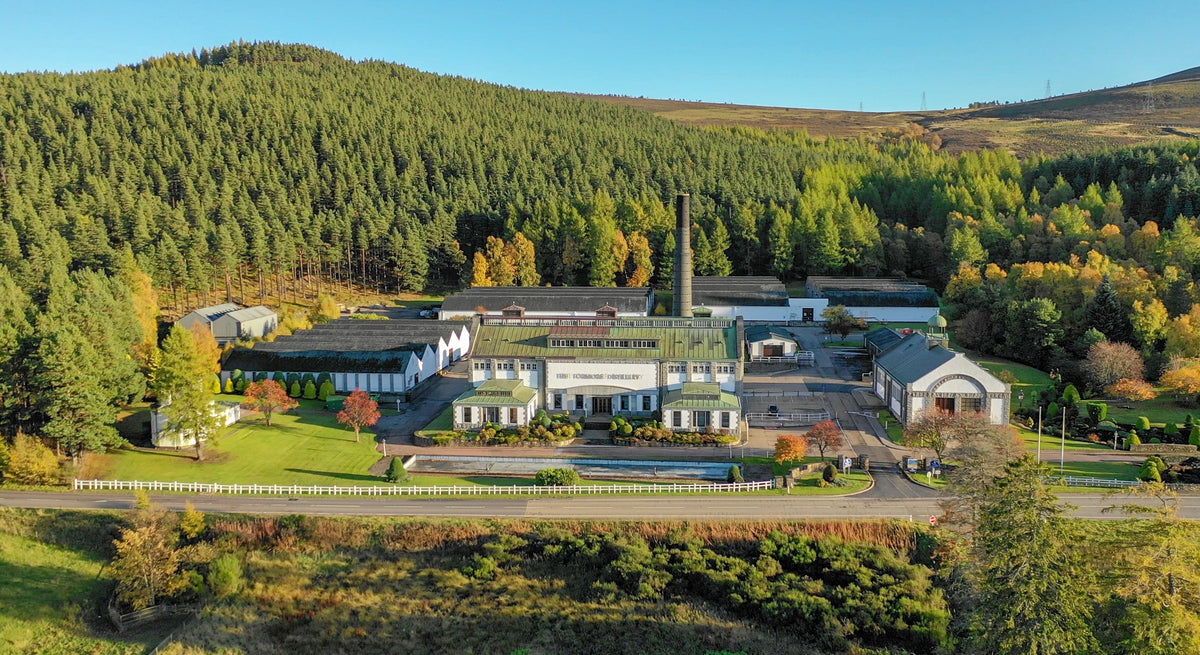
Tormore Distillery: Speyside's Extravagant Comeback
Tormore looks like nowhere else in Speyside, and spent sixty years as an anonymous blending malt despite it. We look at its extravagant design, its 2022 sale to Elixir Distillers, our own cask note...
Read more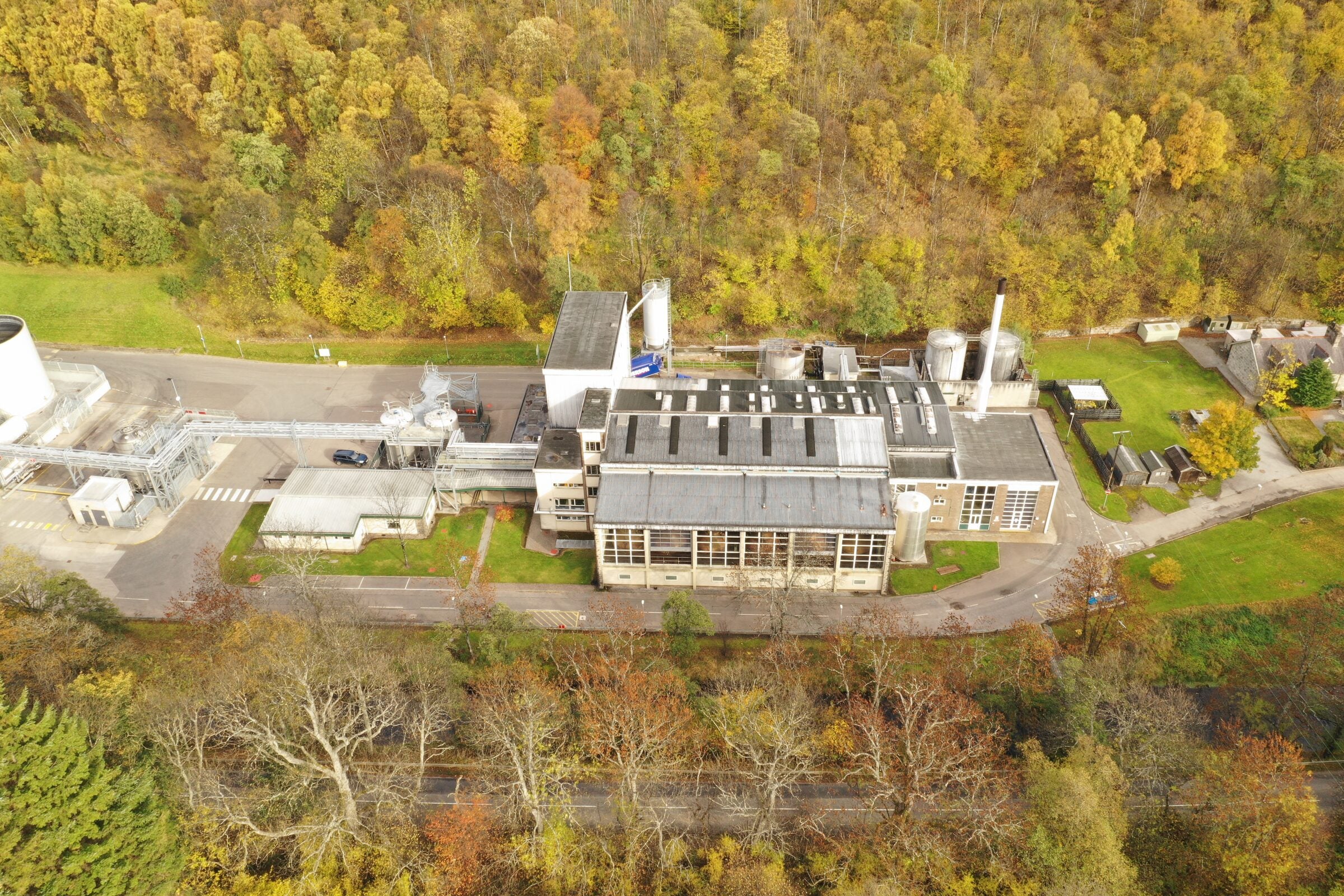
Glendullan Distillery: Diageo's Biggest Secret
Glendullan produces around 3.7 million litres of spirit a year for Diageo, yet Whiskybase lists barely 300 independent bottlings of it. We bottled one ourselves, here is the full story of Scotland'...
Read more


