
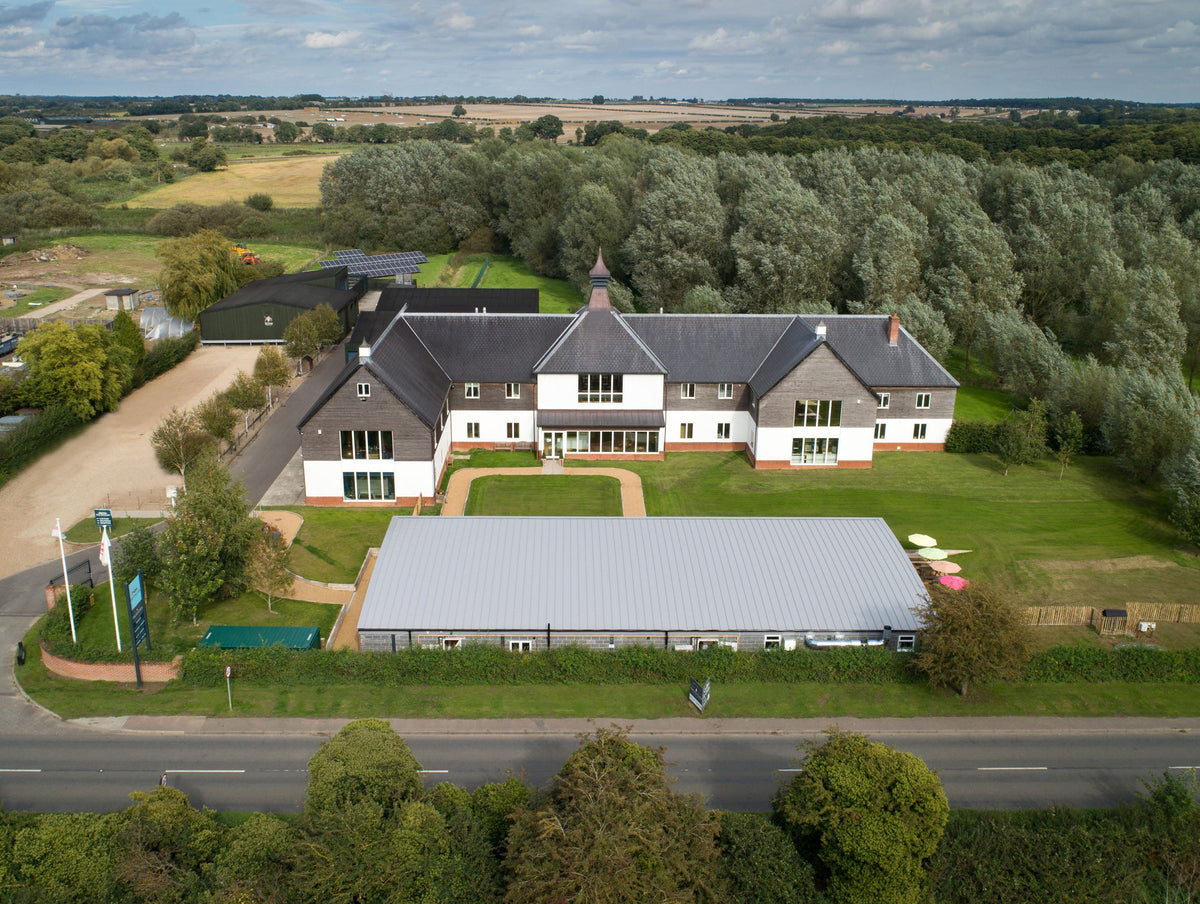
The English Whisky Co: The Norfolk Farm That Brought Whisky Back to England
When the Nelstrop family told HM Customs and Excise they wanted to build a small farm distillery in Norfolk, the answer came back that nothing with stills under 1,800 litres would be licensed. Most people would have scaled down their ambitions; James Nelstrop ordered bigger stills from Forsyths of Rothes and, in December 2006, made the first legally distilled English whisky in over a century.
Nearly two decades on, the distillery he built at Roudham, now officially The English Distillery, has gone from curiosity to standard-bearer: royal openings, a World Whiskies Awards trophy for the world's best single malt, and the oldest whisky ever bottled in England. We have a long history with this place ourselves, with six single casks bottled under our label. This guide covers how a Norfolk farming family restarted a national industry, how the whisky is made, and why English single malt deserves a place on any serious shelf.
The English Whisky Co. at a glance
| Region | England (Roudham, Norfolk, in the Breckland countryside) |
| Founded | 2006, by James and Andrew Nelstrop; first spirit ran in December that year |
| Owner | The English Whisky Co., still family-owned; the site now trades as The English Distillery |
| Capacity | Around 80,000 to 85,000 litres of pure alcohol a year |
| Stills | One pair by Forsyths of Rothes; wash still around 2,750 litres, spirit still around 1,800 litres |
| Water source | The Breckland aquifer, drawn from a borehole directly beneath the distillery |
| Fermentation | Very long; historically around 84 hours and more recently extended towards 100 |
| Malt spec | Norfolk-grown barley, typically malted at nearby Crisp Maltings; both unpeated and peated runs |
| Style | Fruity, cereal-sweet and floral unpeated; the peated spirit is full-on beach-bonfire smoke |
| Visitor centre | Yes; opened in 2007 by the then Prince of Wales, with tours, tastings and a well-stocked shop |
History of The English Whisky Co.
Norfolk grows some of the best malting barley in Britain, and for centuries the county's finest crop went north to feed Scottish distilleries. James Nelstrop, a farmer who had spent a working lifetime around grain, decided the obvious thing was to keep some of it at home. In 2005, with his son Andrew acting as main contractor, work began on a purpose-built distillery at Roudham beside the River Thet, and the family called it St George's Distillery: England's patron saint for England's first dedicated single malt distillery in around a hundred years.
The Nelstrops did two things that set the project apart from many of the craft ventures that followed. First, when Customs and Excise refused to license stills smaller than 1,800 litres, they went bigger rather than giving up, ordering a proper pair of copper pot stills from Forsyths, the same Speyside coppersmiths who equip much of Scotland. Second, they hired experience: Iain Henderson, the long-serving former manager of Laphroaig, came out of retirement to run the stills and train the team. The first spirit flowed in December 2006, the Prince of Wales opened the visitor centre in 2007, and the first whisky, released in 2009 as Chapter 6 of the distillery's "Chapters" series, sold out almost immediately.
The years since have brought drama and quiet vindication in roughly equal measure. A fire in 2010 came within minutes of reaching the maturing stock; Marks and Spencer began selling an own-label English whisky distilled at Roudham in 2013; and James Nelstrop died in 2014, having lived to see his "forty-five years in culmination", as he described the project, become a working reality under Andrew's stewardship. The whisky itself was rebranded from Chapters to The English range in 2016, a single grain line called The Norfolk followed in 2017, and in November 2023 the distillery released a 16 year old port cask billed as the oldest whisky ever bottled in England. In 2024 the site formally adopted the name The English Distillery, and the same year its sherry cask single malt was crowned world's best single malt at the World Whiskies Awards, a result that would have sounded like a joke in 2006 and now sounds entirely reasonable.
How The English Whisky Co. makes its whisky
Roudham is a small distillery run with big-distillery discipline. The one-tonne semi-lauter mash tun is worked for clear wort, and fermentation is exceptionally long: figures of around 84 hours have been standard for years, and recent practice has pushed some ferments towards 100 hours. Long ferments in the three stainless steel washbacks build the fruity, estery base that defines the house spirit. Water comes up cold from the Breckland aquifer directly beneath the site, and the barley is Norfolk-grown, usually malted just up the road at Crisp Maltings, which makes this one of the shortest grain-to-glass supply chains in British whisky.
The Forsyths stills, the wash still around 2,750 litres and the spirit still around 1,800 with a reflux bowl, are run to keep the spirit clean and expressive rather than heavy. Maturation leans on first-fill ex-bourbon barrels, brought in whole from Kentucky, with sherry, Madeira and wine casks playing supporting roles, and the emphasis is on full-term maturation rather than quick finishes. Everything is matured on site, bottled at 46% or above, naturally coloured and non chill-filtered. Both peated and unpeated spirit are made, and the peated runs are no token gesture: some casks carry malt peated to Islay levels, north of 60ppm.
What does The English Whisky Co. taste like?
The unpeated house style is bright and orchard-fresh: cereal sweetness, barley sugar, green apple and floral notes, with the long fermentation showing up as ripe fruit and the American oak adding vanilla and honey. It is a spirit that tastes distinctly of its ingredients, which is presumably the point of building a distillery in a barley field.
The peated spirit is the sleeper. Tasted blind, it heads straight for the Hebrides: beach-bonfire smoke, sea salt and orchard fruit in a combination that has fooled more than one experienced taster into placing it on Islay, somewhere between a young Lagavulin and a fruity Ledaig. Age does interesting things to both styles, and because the distillery has now been running for nearly twenty years, properly mature English whisky, in its teens, is no longer a contradiction in terms.
The English Whisky Co. and independent bottlers
In its early years the distillery was unusually generous with casks, and a handful of independent bottlers, ourselves among them, were able to buy and bottle single casks of English whisky while the category barely existed. That window has narrowed as the distillery's own releases have taken off and English whisky has found its confidence, which makes the independent bottlings that do exist quietly historic: they document the first chapter of a national industry restarting. Anyone who owns one of those early casks or bottles is holding a small piece of English whisky history.
The Single Cask and The English Whisky Co.
Few distilleries outside Scotland appear in our range as often as this one: we have bottled six single casks from Roudham, covering both sides of its character. On the peated side, our 8 year old cask B1-441, distilled in 2009 and bottled at 60.0% from ex-bourbon American oak, gave 236 bottles of thick peat cut with sweet malt, earth, green leaves and thyme, finishing long and spicy. A 7 year old, cask B2-188, carried the smoky flag for our Signature Series, and a later 7 year old from 2016, cask B1-443, showed honeyed sweetness, cinnamon and gentle peat at 60.0%.
The pair we are proudest of came in 2021: matching 12 year old octaves from the 2009 vintage, at the time the oldest English whisky ever independently bottled. The peated octave, cask 106RR at 58% from 62ppm malt, gave just 41 bottles of rolling peat smoke, white grape, sea salt and fresh strawberry, while its unpeated twin, cask 10RR at 63.8%, went the other way entirely: Turkish delight, rose petals, black forest gateau and dark chocolate across 42 bottles. All of the above sold out. Our latest, a 13 year old from second-fill bourbon barrel B1/640A, distilled on 2 February 2012 and bottled at a cask strength of 60.6%, is the next instalment in that story, so keep an eye on it if English whisky is on your radar.

Collectability and cask ownership
English whisky is the rare category where the collecting story is still being written. Early releases from Roudham, the numbered Chapters especially, already trade above their issue prices at auction, and milestone bottlings such as the 2023 16 year old port cask sold out on announcement. The 2024 World Whiskies Awards win has only sharpened interest. Against that, the market is young, shallow and untested compared with Scotch, and prices can be volatile in both directions.
Cask ownership follows the same logic. Casks of English single malt do exist in private hands, and the distillery's track record on quality is now long enough to take seriously, but buyers should be more careful here, not less: whisky cask ownership is unregulated, values can go down as well as up, storage and insurance cost money every year, and nothing in this article is financial advice. The fundamentals are the same as for any Scotch cask: verifiable provenance, honest paperwork and a realistic plan for bottling. Our guide to cask sizes and types is the sensible place to start, octaves, as our two 12 year olds showed, do fast and interesting work in a maturing spirit.
Visiting The English Whisky Co.
The distillery sits at Roudham in the Norfolk Breckland, between Thetford and Norwich, and has taken visitors seriously from the start; the visitor centre was opened by the then Prince of Wales in March 2007, the year after the stills first ran. Tours run regularly and finish with a proper tasting, the shop carries distillery-exclusive bottlings alongside the core range, and the whole operation is compact enough that you see everything, mash tun to warehouse, at close quarters. If your whisky travels have only ever pointed north, a detour into East Anglia makes a surprisingly good corrective.
The English Whisky Co. FAQs
Was The English Whisky Co. the first whisky distillery in England?
It was the first registered whisky distillery in England in around a hundred years. English whisky distilling had died out around the turn of the twentieth century, and when the first spirit ran at Roudham in December 2006 it restarted a national category that has since grown to dozens of distilleries.
Who owns The English Whisky Co.?
The distillery remains family-owned. It was founded by James Nelstrop with his son Andrew, who has run the business since his father's death in 2014. It was built as St George's Distillery and has traded as The English Distillery since 2024.
What does English whisky from Roudham taste like?
The unpeated style is fruity and cereal-sweet, with green apple, barley sugar and vanilla. The peated spirit, sometimes made with malt above 60ppm, is genuinely smoky, with a coastal, Islay-like character that regularly surprises blind tasters.
Is The English Whisky Co. whisky any good?
The awards say yes: its sherry cask single malt was named world's best single malt at the 2024 World Whiskies Awards, and earlier releases have collected medals for years. Our own experience across six single casks backs that up, particularly the older peated stock.
Can you visit The English Distillery?
Yes. The visitor centre at Roudham, Norfolk, offers tours and tastings year-round, plus a shop with distillery-exclusive bottlings. It is an easy stop between Thetford and Norwich.
Can I buy a cask of English whisky?
Casks of English single malt do come to market, though far less freely than Scotch. Provenance and paperwork deserve extra scrutiny in a young category, so work through a reputable specialist and make sure the cask's history is fully documented before committing.
Own a piece of English whisky history
The English Whisky Co. proved that world-class single malt could be made outside Scotland, and everyone who bottled or bought its early casks now owns part of that story. We intend to keep telling it: our 13 year old cask B1/640A is the sixth English single cask to wear our label, and it will not be the last. If the idea of a cask of your own appeals, whether English or Scotch, The Single Cask helps clients buy whisky casks with verified provenance, store them in our bonded warehouse and bottle them under their own label when the whisky is ready.
For more on the category's history, our piece on celebrating St George's Day with English whisky is a good companion read, and when you are ready for a straight conversation about cask ownership, contact us.
Work with The Single Cask
Buy a whisky cask, bottle under your own label, or store casks in our HMRC approved bonded warehouse in Fife.
Read more
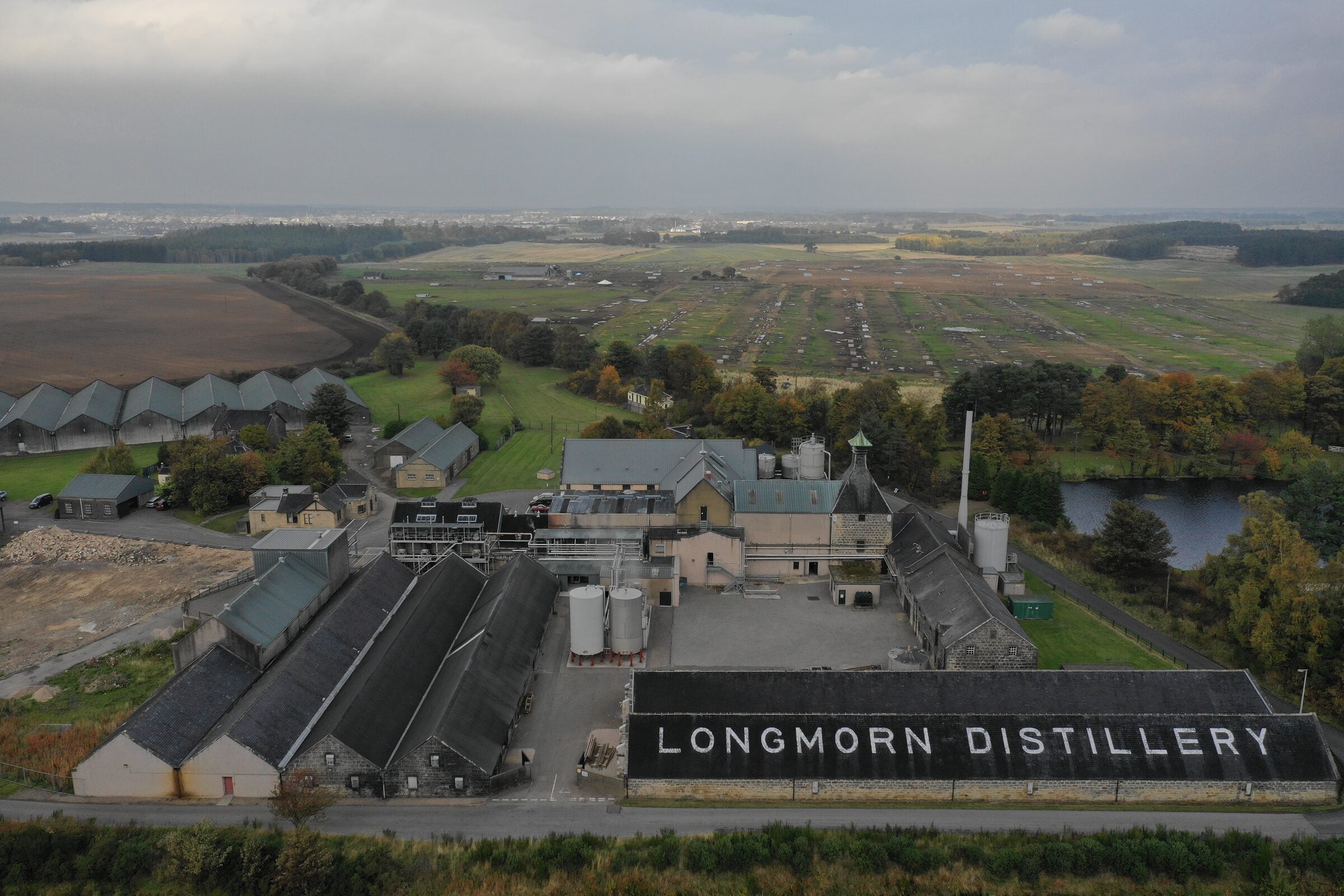
Longmorn Distillery: The Blenders' Treasure That Taught Japan to Make Whisky
Longmorn guide: John Duff's boom-and-bust masterpiece, the 1920 Taketsuru apprenticeship that shaped Japanese whisky, the deeply fruity spirit blenders hoard, and our own single casks — including a...
Read more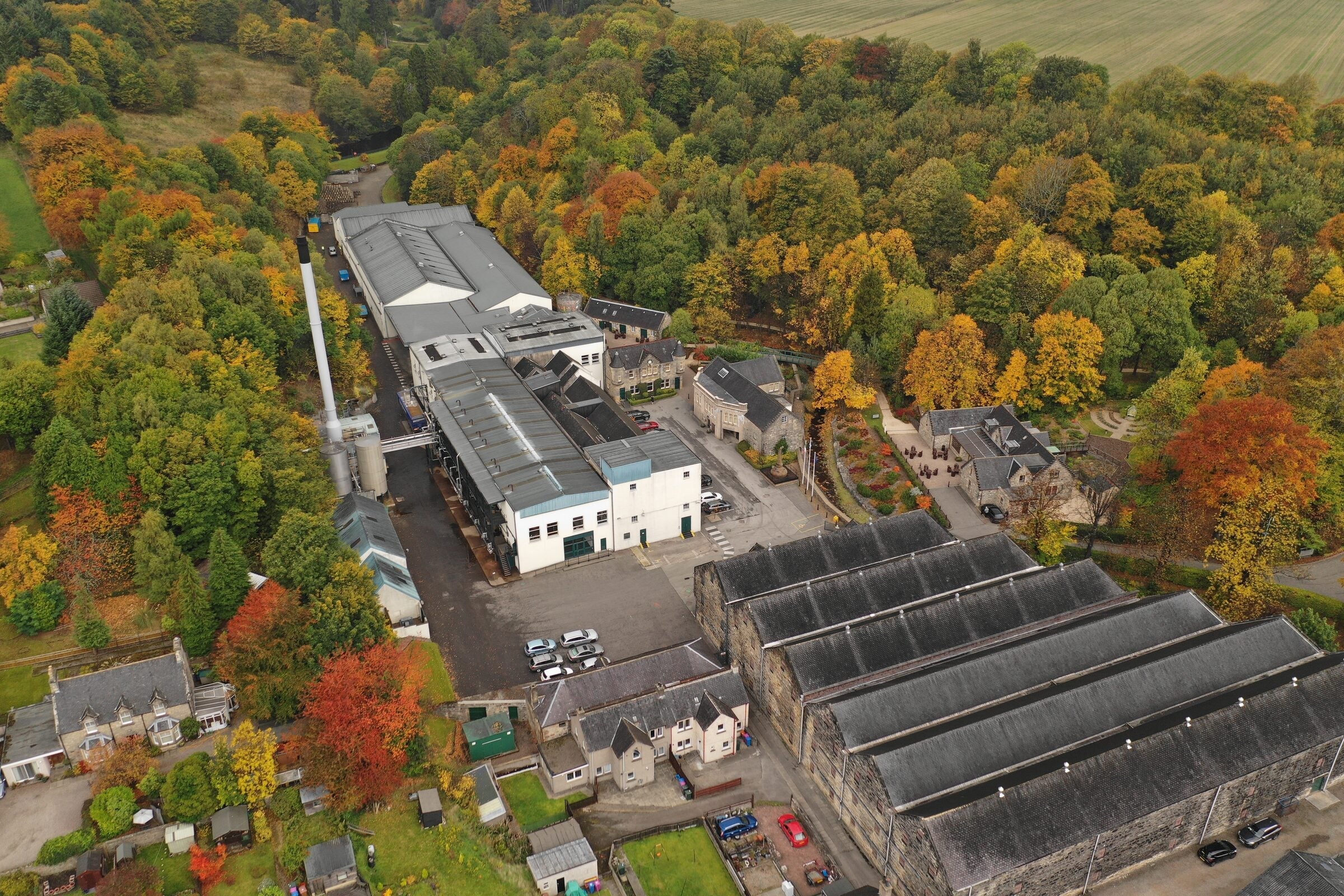
Glen Grant Distillery: The Major's Tall Stills and Italy's Favourite Malt
Glen Grant guide: James 'The Major' Grant's Victorian innovations, the tall purifier-fitted stills that keep the spirit apple-fresh for decades, why it's Italy's best-selling single malt, and our o...
Read more


